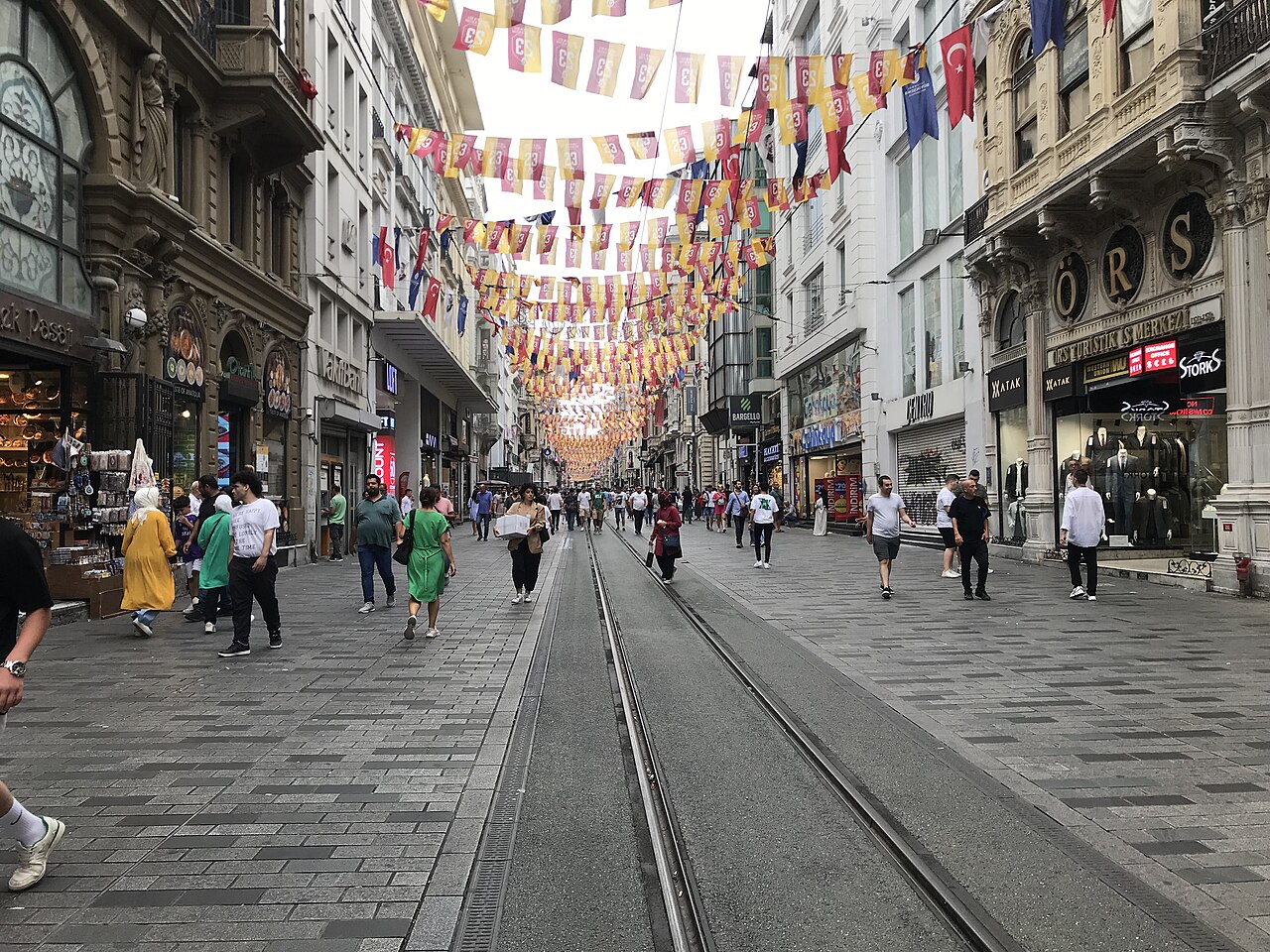
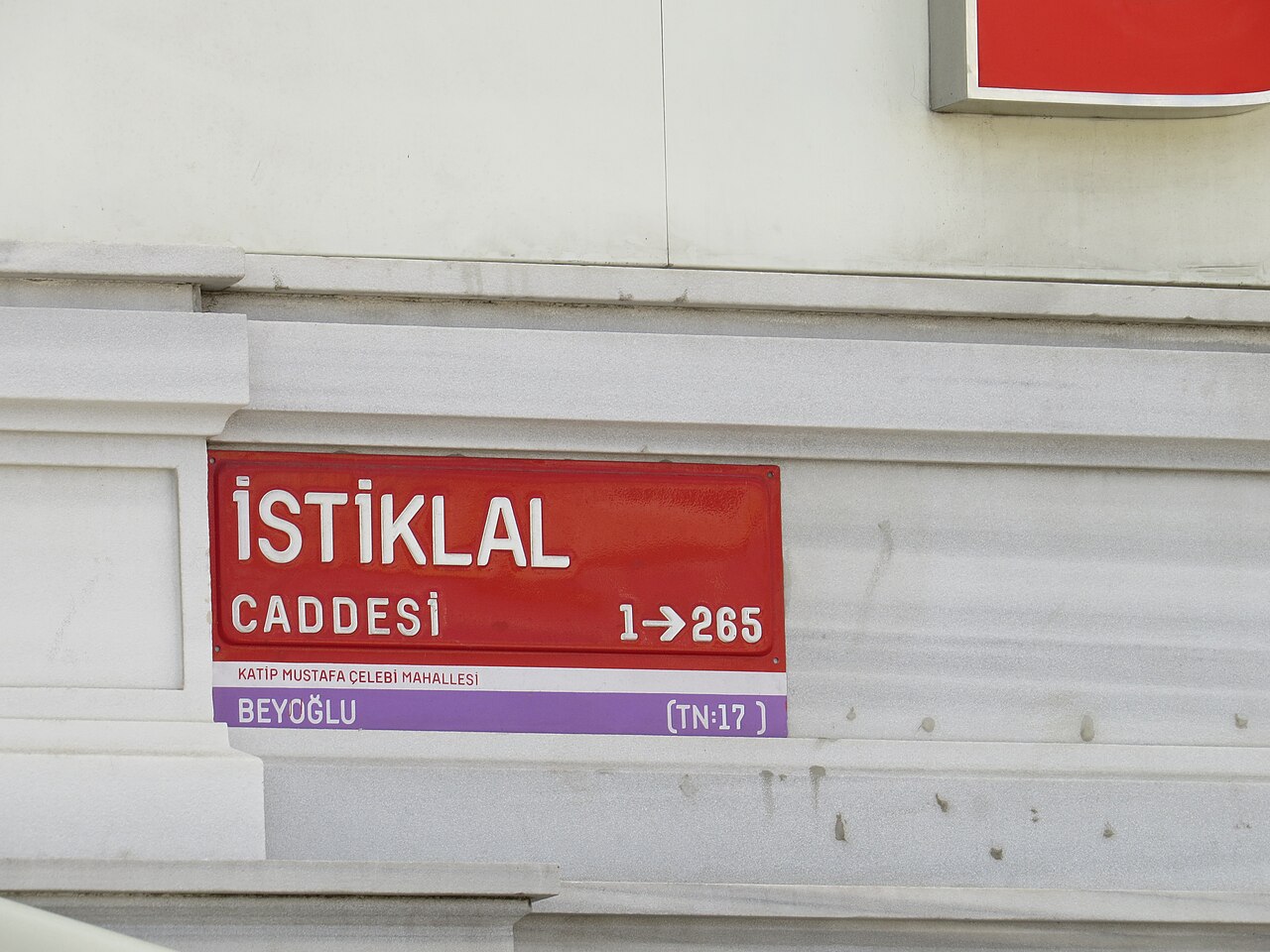
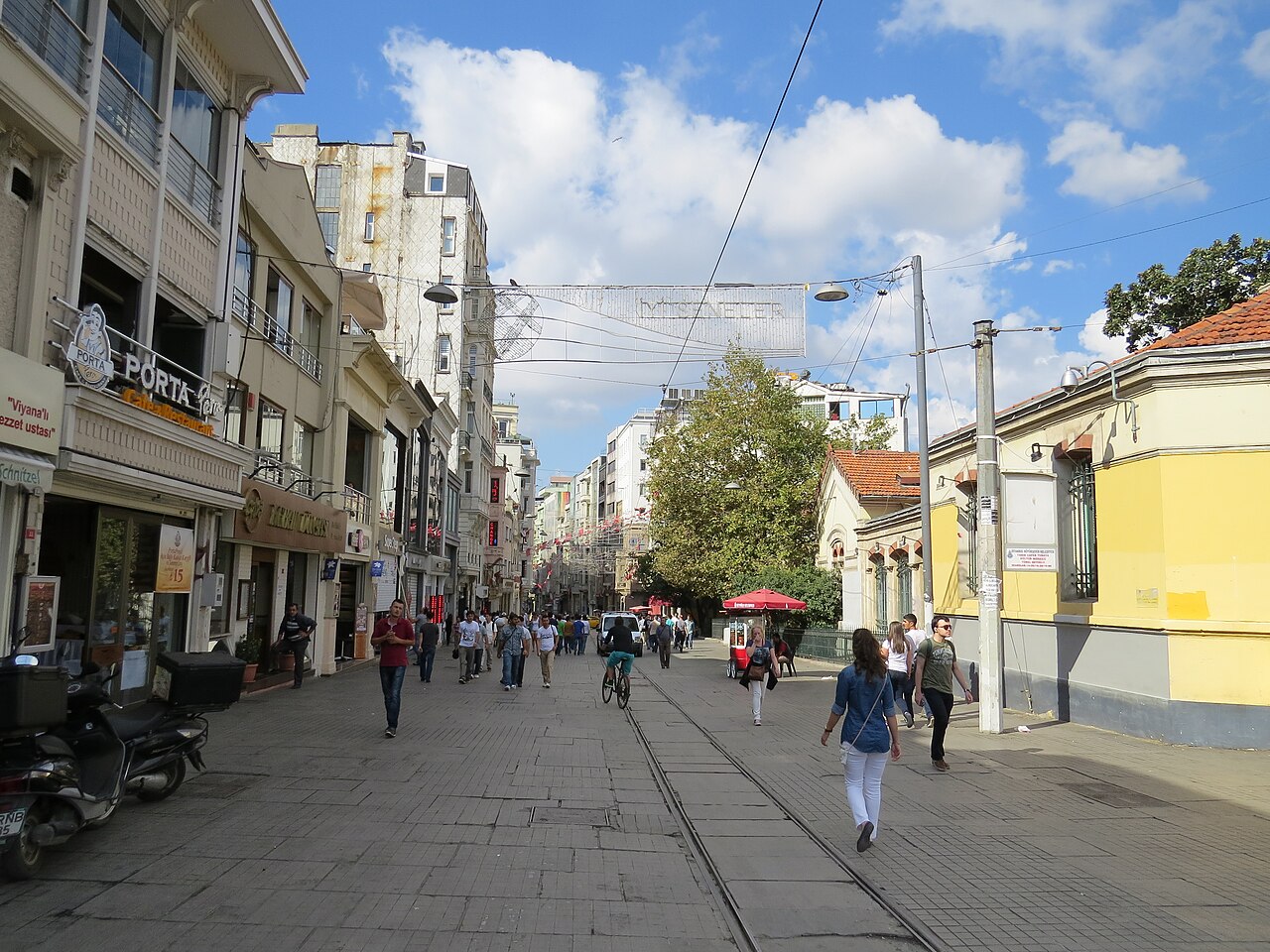
İstiklal Avenue (İstiklal Caddesi) is a roughly 1.4 km pedestrian boulevard running through the heart of Beyoğlu in Istanbul's modern quarter, linking Taksim Square in the north with Tünel Square in the south. Known in late-Ottoman times as the Grande Rue de Péra, it was renamed 'İstiklal' (Independence) after the Republic was founded in 1923 and today is the city's premier shopping, culture and dining street, drawing hundreds of thousands of people daily and up to three million on peak weekends. Belle Époque façades, historic arcades (pasaj), churches and museums line the avenue, while the iconic red nostalgic tram is being renewed with battery-powered replica cars through 2024–2025 as the old overhead wires are removed. It is one of the best places to simply walk and take the pulse of contemporary Istanbul.
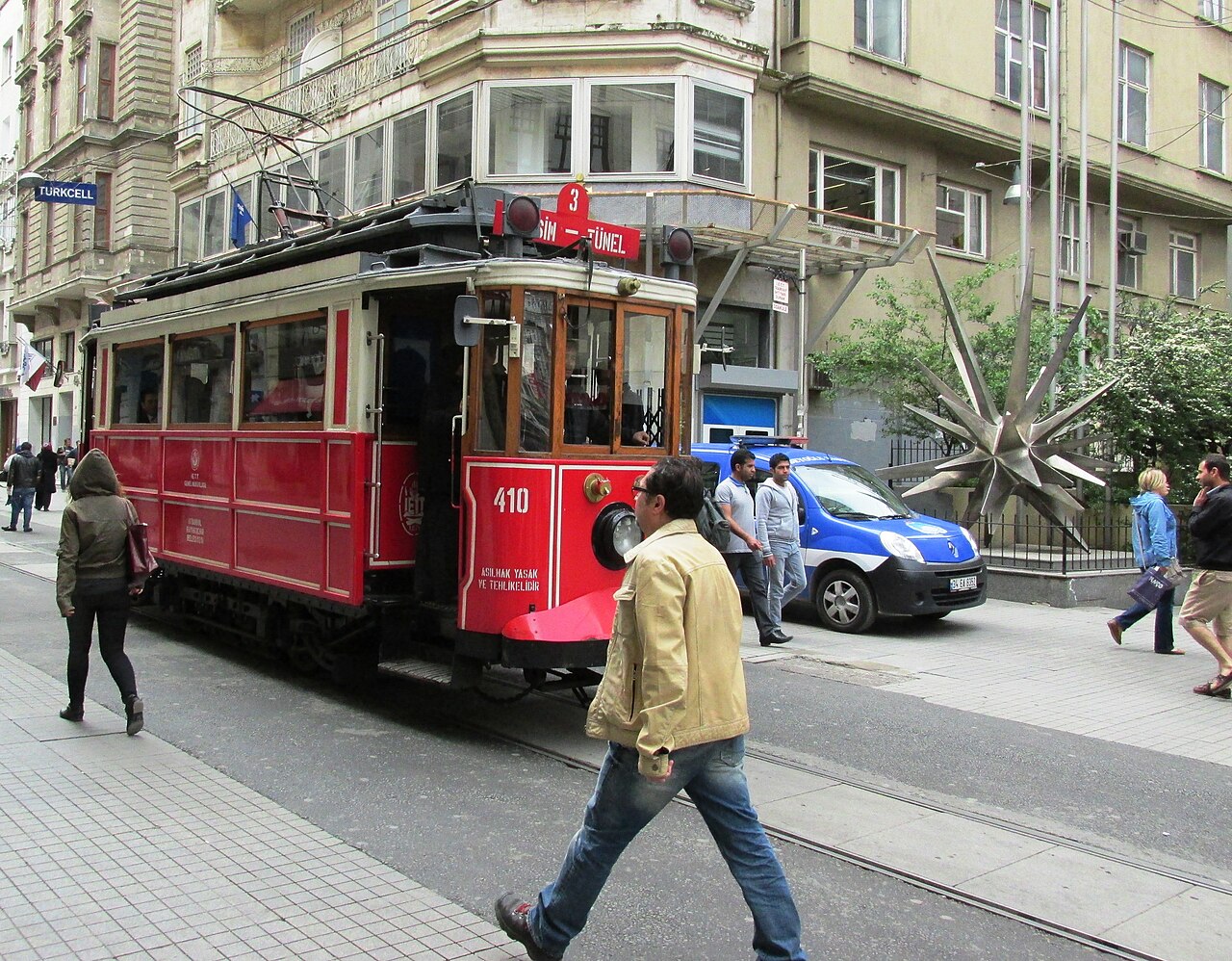
The red-and-white nostalgic tram (Nostaljik Tramvay) between Taksim and Tünel — a classic modelled on 1914 cars, now being replaced with faithful battery-powered replicas.
Çiçek Pasajı (Flower Passage) and the adjoining Balık Pazarı fish market and Nevizade lane of meyhane taverns — the heart of Istanbul's rakı-and-meze nightlife.
Late-Ottoman Belle Époque, Art Nouveau and Neoclassical architecture, ornate covered arcades, and Galatasaray High School at the avenue's midpoint.
Culture stops such as the Pera Museum, ARTER and Grand Pera, historic cinemas, and the Sant'Antonio di Padova church.
The 'Tünel' at the southern end — one of the world's oldest underground urban railways (opened 1875) — and Taksim Square with the Republic Monument at the northern end.
Good to know
CautionBeware the classic shoe-shine 'dropped brush' trick: a man ahead of you deliberately drops a brush, then insists on shining your shoes as 'thanks' when you return it and demands an inflated fee. If a brush falls, just step around it.
CautionIn Taksim and Beyoğlu side streets, over-friendly 'locals' may lead you to a bar or club and hand over a bill of thousands of lira for a few drinks; solo male travelers are the main targets. Decline drink invitations from strangers.
CautionSome restaurants show menus without prices or bring unordered nuts and bread as 'appetizers' that appear on the bill. Always confirm prices before ordering and clearly refuse any extras you did not request.
SafetyWith up to three million people a day, this is one of Istanbul's most crowded streets and petty pickpocketing occurs. Keep your wallet and phone in a front-facing cross-body bag and avoid back pockets.
RulesThe tram, metro (M2 Taksim), funicular (F1) and Tünel all require an İstanbulkart travel card — buy and top it up at station machines. Fares and operating hours change, so check the latest before you go.
MannersDemonstrations occasionally take place around Taksim Square; if crowds gather, take an alternate route and avoid photographing police or protests. Dress modestly (covered shoulders and knees) if entering the avenue's churches or mosques.
SeasonJuly–August is hot and extremely crowded; bring a hat, water and sun protection, and stroll in the early morning or late evening. Winters are mild but rainy, so watch for slippery pavements.
Practical info
Reach the northern end via the M2 metro at Taksim station and the southern end via the historic Tünel funicular (linked to the T1 tram toward Karaköy). The avenue itself is a 24-hour pedestrian street, with shops generally open about 10:00–22:00. Use an İstanbulkart for the tram, metro and funicular, and confirm current fares, timetables and the tram-replacement status before your visit.
On-site reviews📍 Verified on-site
No reviews yet. If you are here, be the first to leave one.