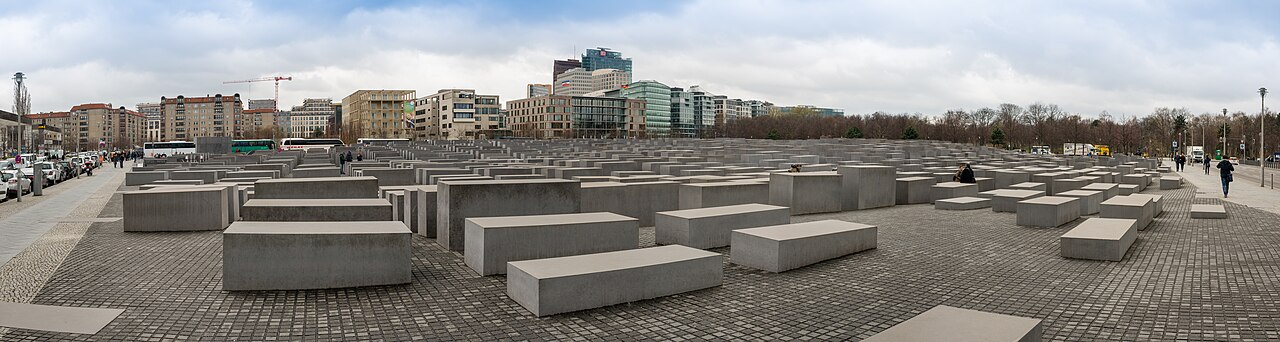
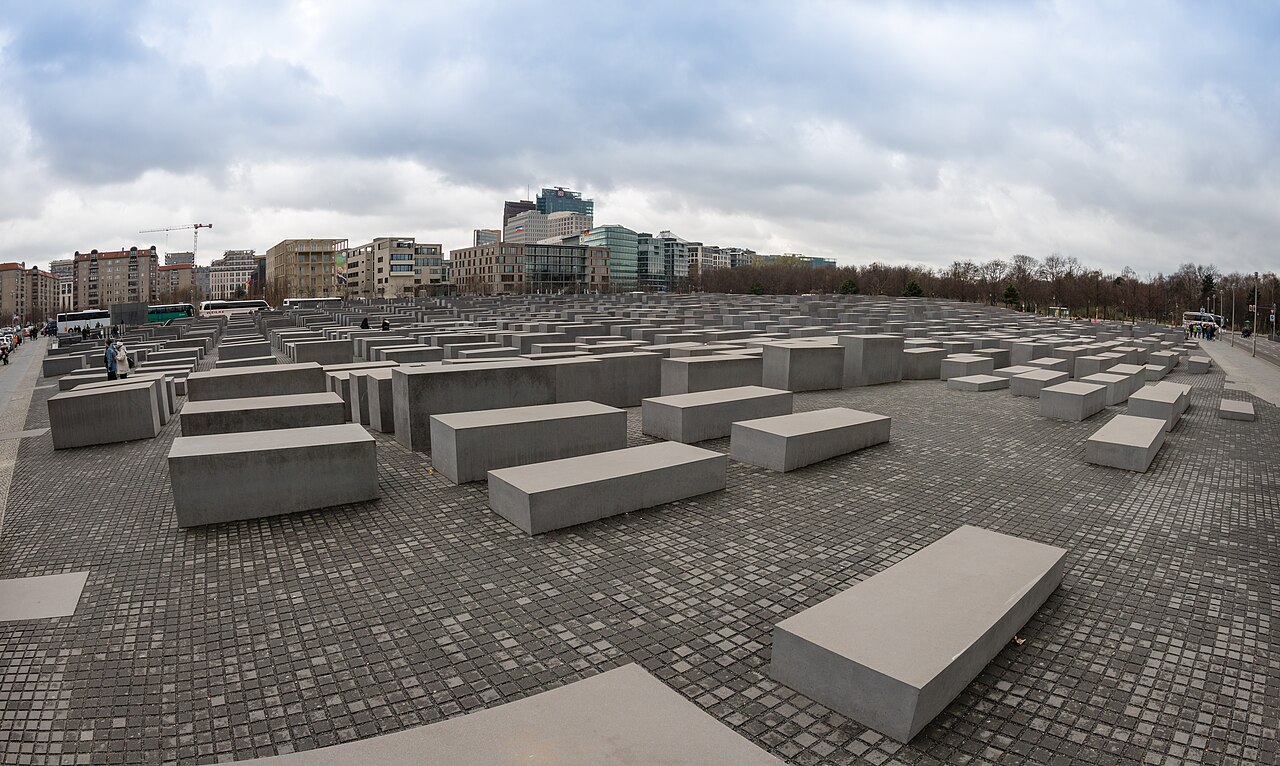
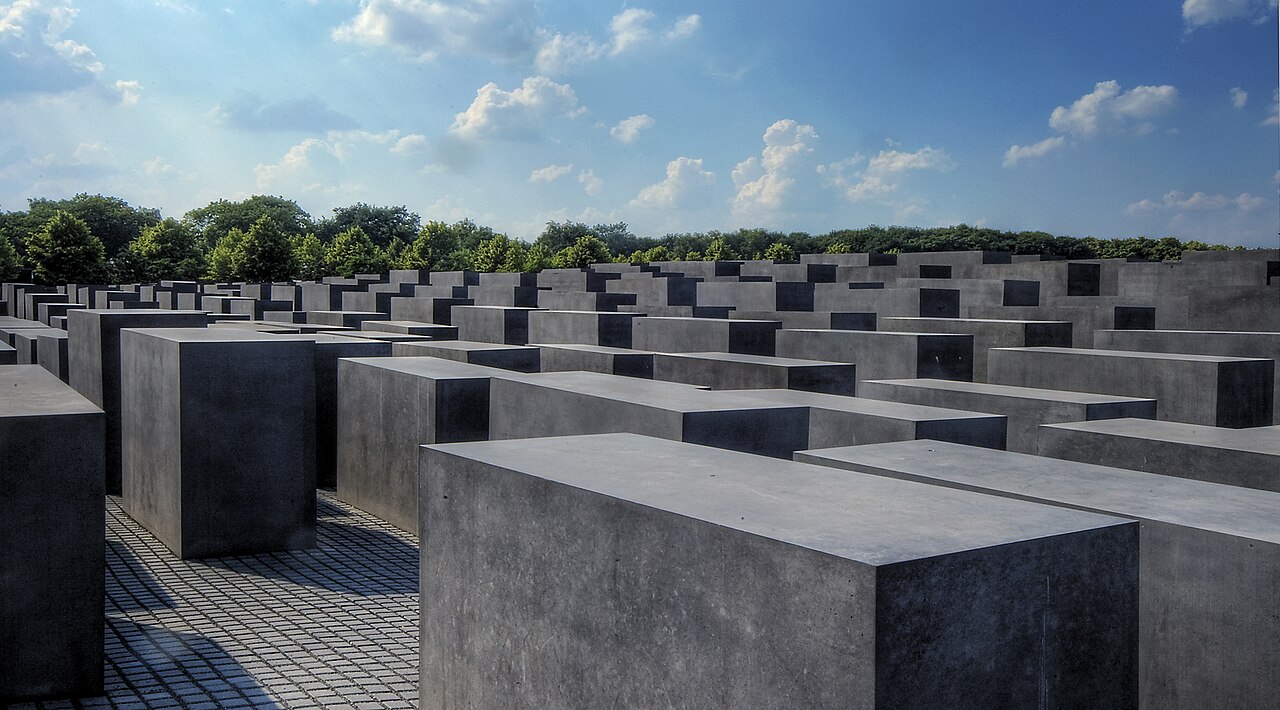
The Memorial to the Murdered Jews of Europe, commonly known as the Holocaust Memorial, is Germany's central national memorial to the Jewish victims of the Holocaust, opened in 2005 just steps from the Brandenburg Gate in Berlin. Designed by architect Peter Eisenman, it covers roughly 19,000 m² with 2,711 grey concrete slabs (stelae) of varying heights arranged in a grid over undulating ground, creating a disorienting, wave-like experience as you walk deeper into it. The stele field is open on all sides, free, and accessible 24 hours a day, while the underground 'Place of Information' (Ort der Information) reopened in spring 2026 after renovation work. It is a place of remembrance and reflection rather than a conventional tourist attraction, and is best approached with quiet respect.
The field of 2,711 concrete slabs of different heights on rolling ground — as you move inward the pillars rise overhead, turning the grid into a narrow, silent, maze-like space
Peter Eisenman's deliberately abstract design — it carries no explicit symbolism, leaving each visitor to feel their own sense of unease, isolation and loss
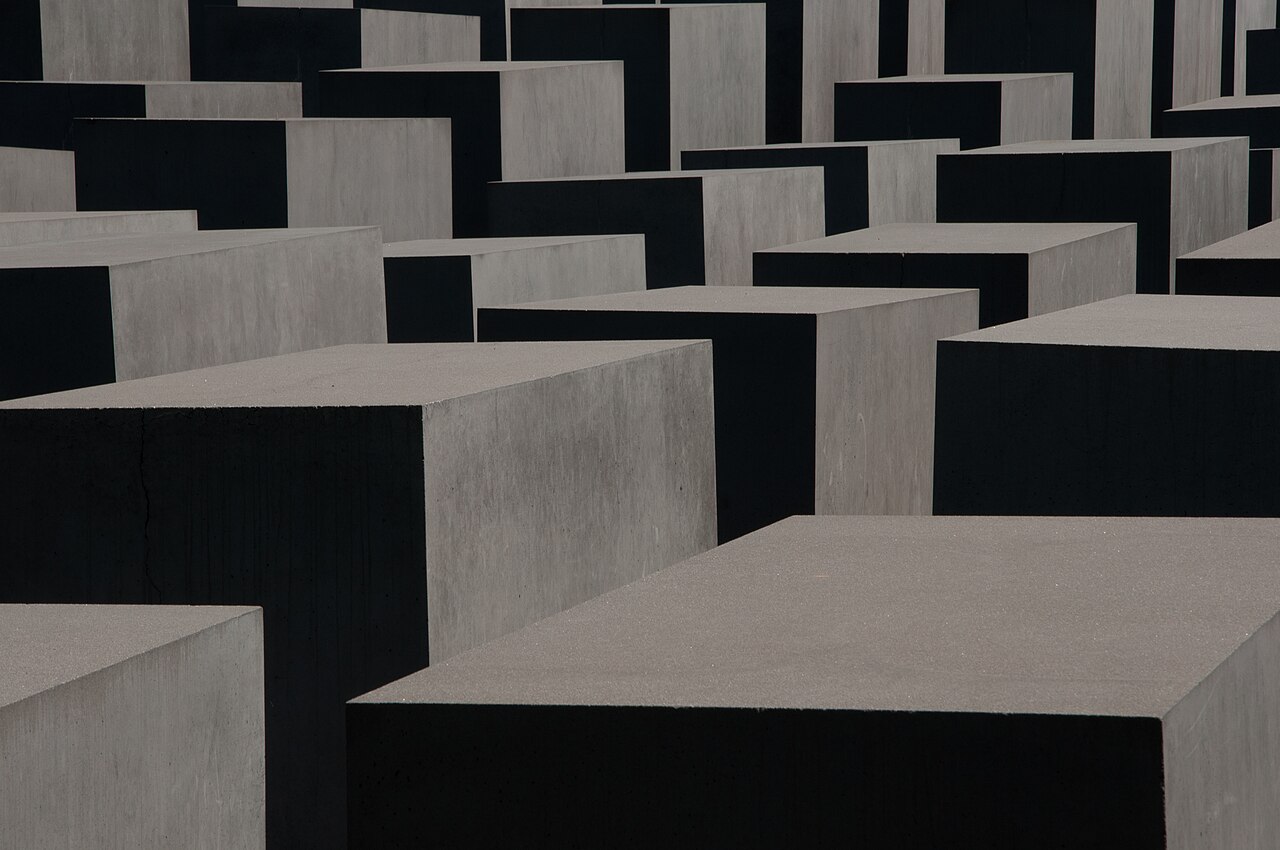
The way light, shadow and time of day transform the atmosphere — long shadows at early morning or dusk are especially striking
The underground 'Place of Information' exhibition — four themed rooms, including the Room of Names (victims' names read aloud) and the Room of Dimensions (personal letters and records) that restore the victims as individuals
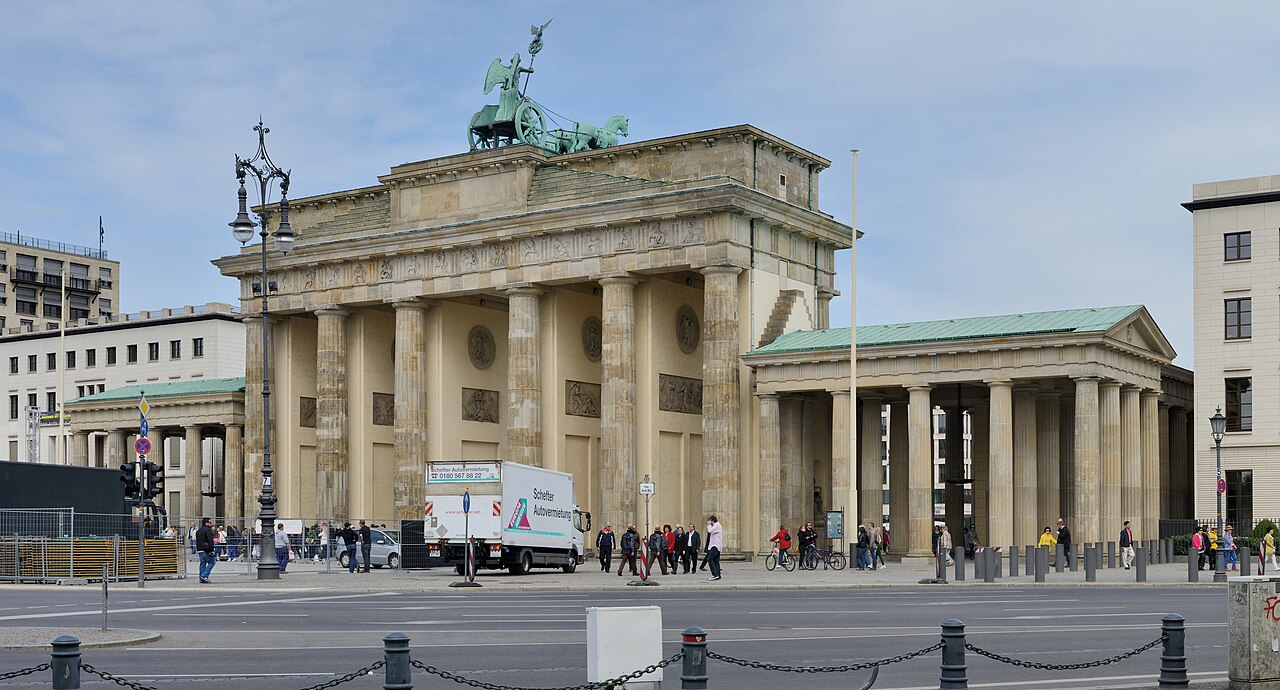
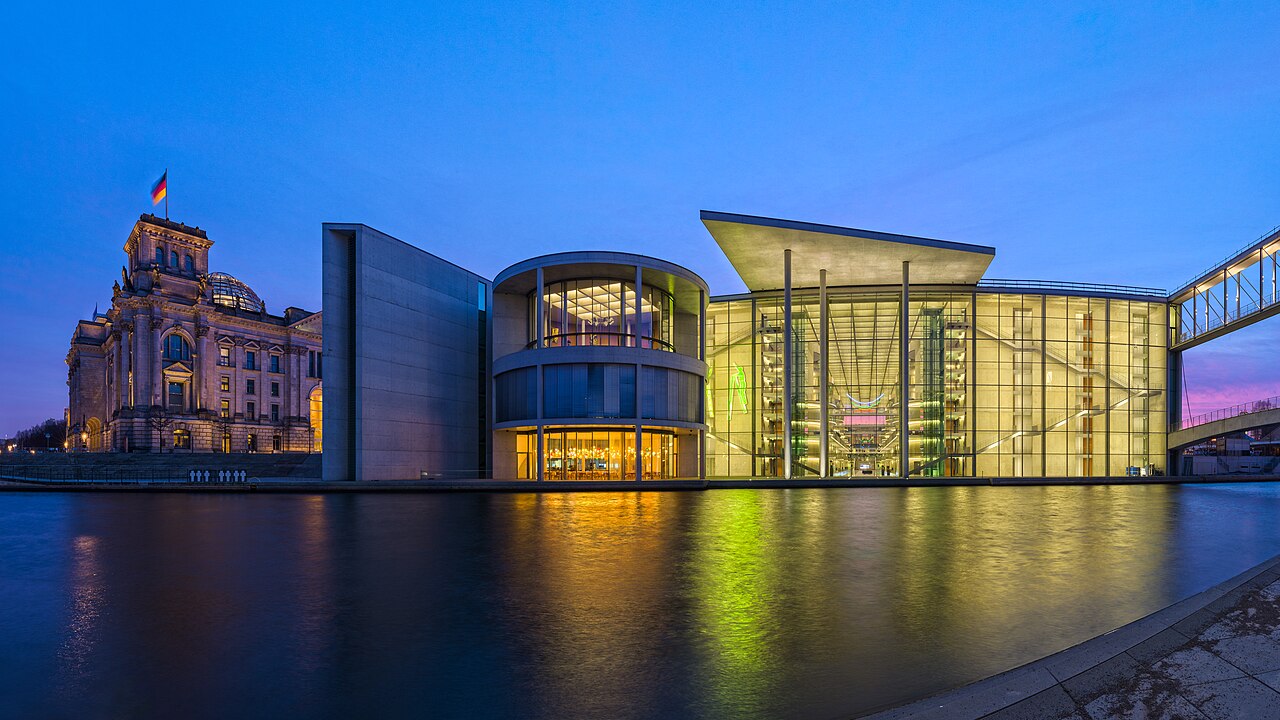
Walking distance to the Brandenburg Gate, Tiergarten and the Reichstag — it fits naturally into a wider Berlin history walk
Good to know
MannersThis is a solemn memorial evoking gravestones. Do not climb, jump on, run across or lie on the slabs, and avoid picnics, eating or loud behaviour. Posing selfies or jumping shots on the stelae is deeply disrespectful to the victims and other visitors — photograph quietly.
RulesThe underground 'Place of Information' is free but closed on Mondays, and entry includes an airport-style security bag check that can create a short queue. Confirm current opening hours and any post-renovation status on the official website before you go.
SafetyThe passages between slabs are narrow and the ground is uneven, so it is easy to trip. Children and companions can quickly disappear from view — agree on a meeting point in advance, and use the flatter edge areas for strollers or wheelchairs.
CautionThe area around the Brandenburg Gate is crowded and known for pickpockets and 'petition / charity donation' clipboard scams. Some approach you to sign while an accomplice reaches for your wallet — decline politely and wear your bag in front.
SeasonDuring summer heatwaves the underground exhibition may close early in the afternoon, and the shadeless field gets very hot. In winter it is windy and exposed, with rain or snow making the ground slippery — wear grippy shoes and dress warmly.
RulesThe stele field is always free to enter, but pets, drones, and cycling or scooters through it are not permitted. A free audio / mobile guide is available, so bring your own earphones.
Practical info
It is about a 5–10 minute walk from Brandenburger Tor station (S-Bahn S1/S2/S25/S26, U-Bahn U5) or Potsdamer Platz station, with bus lines 100 and 300 stopping nearby. The stele field is open free of charge 24 hours a day; the underground 'Place of Information' is free and open Tuesday–Sunday (closed Mondays), but always check the official website for the latest hours and any renovation or heat-related changes before visiting.
On-site reviews📍 Verified on-site
No reviews yet. If you are here, be the first to leave one.