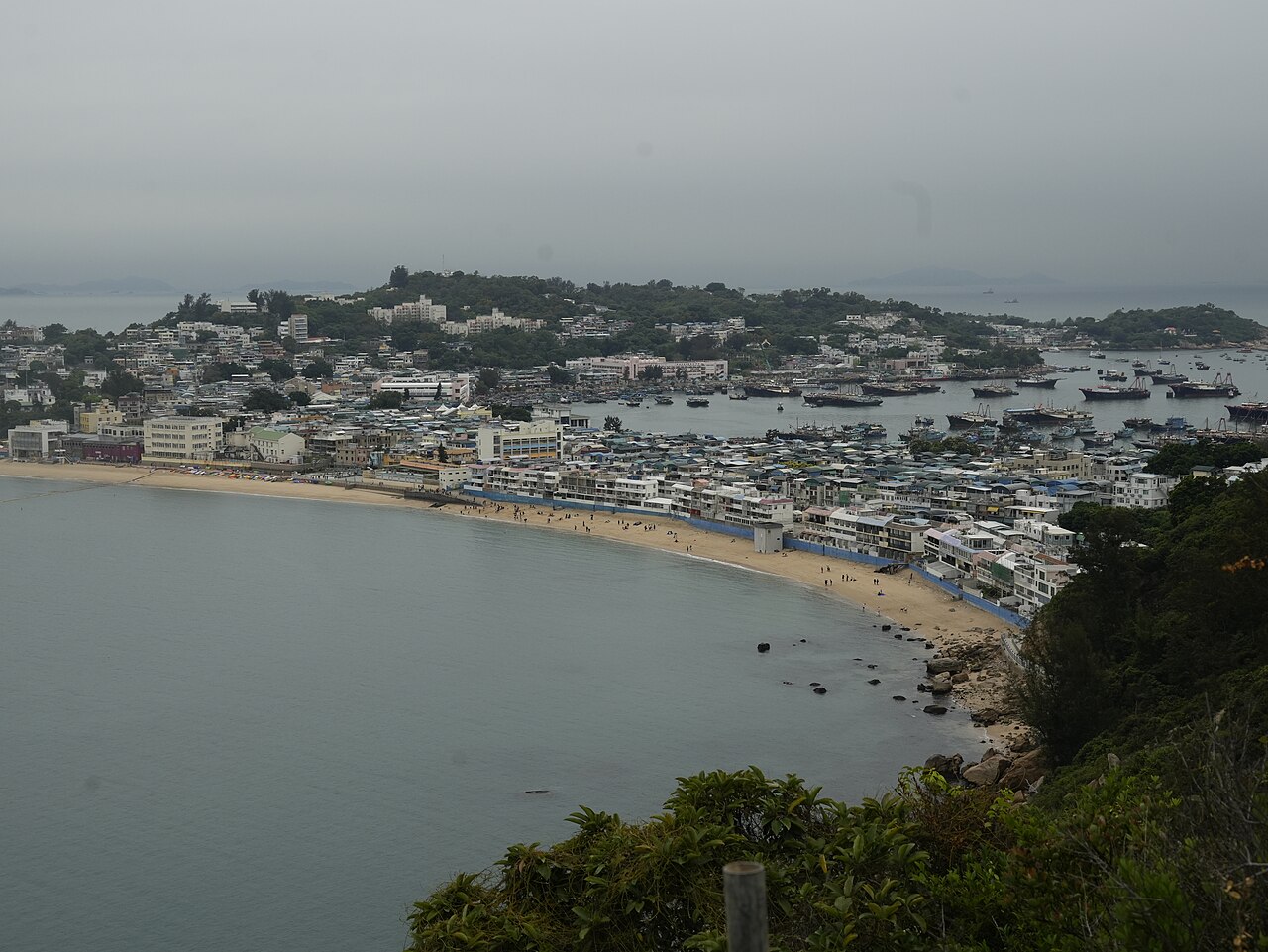
Cheung Chau is a 2.45 sq km outlying island about 10 km southwest of Hong Kong Island, shaped like a dumbbell where two rocky headlands are joined by a narrow sandbar. Once a thriving fishing port, it now packs the 1783 Pak Tai Temple (a Grade 1 historic building), the pirate legend of Cheung Po Tsai Cave, a 3,000-year-old Bronze Age rock carving and two swimming beaches into a single walkable island. No ordinary cars are allowed, so bicycles and walking are the way to get around, and roughly 20,000 residents still live here alongside the day-trippers. As of July 2026 the island is open year-round with no admission charge, but the visit falls in typhoon season, so treat it as a flexible half-day or full-day trip and confirm ferry status before you go.
Pak Tai Temple (Yuk Hui Temple): built in 1783 and declared a Grade 1 historic building in 2010, it is the island's spiritual heart and the focal point of the annual Cheung Chau Bun Festival (Tai Ping Ching Chiu) held around the 8th day of the 4th lunar month.
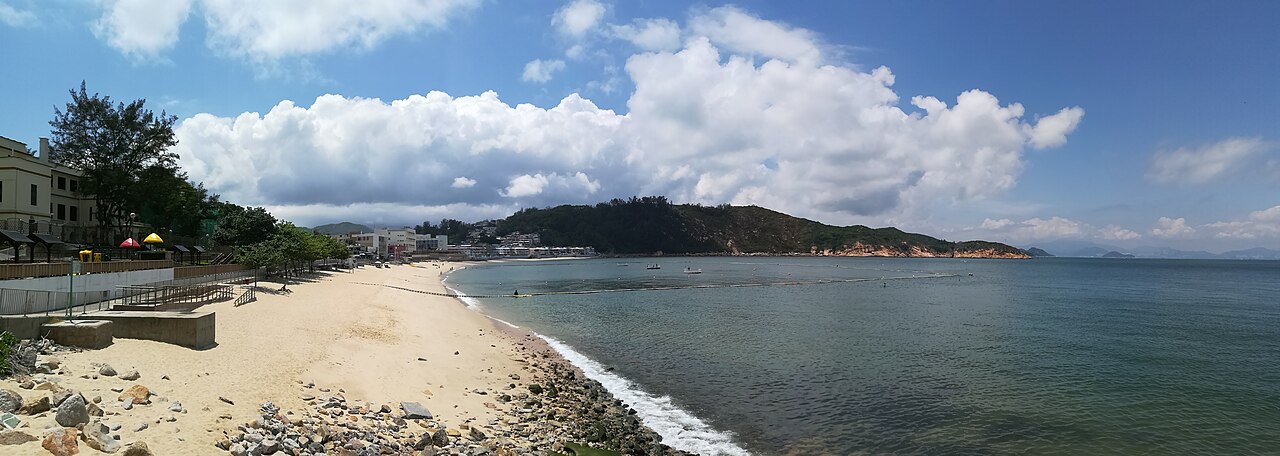
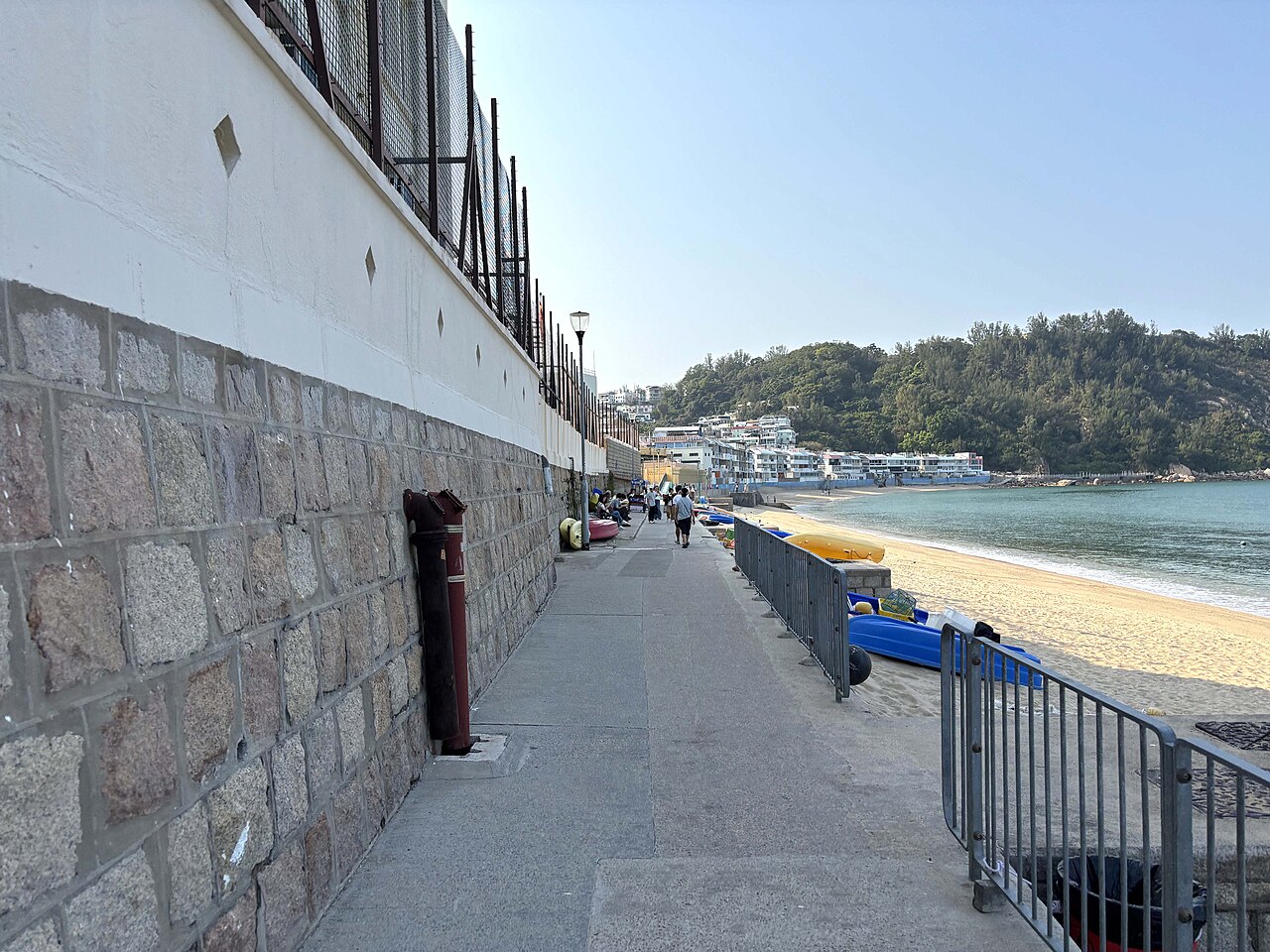
Tung Wan and Kwun Yam Wan beaches: Tung Wan, the island's longest beach, sits a 3–5 minute walk from the pier, while Kwun Yam Wan just south is Hong Kong's windsurfing cradle, home of 1996 Olympic gold medallist Lee Lai Shan. A protected Bronze Age rock carving over 3,000 years old survives on the rocks near Tung Wan.
Cheung Po Tsai Cave: a narrow, dark coastal crevice tied to the early 19th-century pirate said to have stashed his treasure here. Passing through it requires a torch and shoes with good grip.
The Mini Great Wall and Family Walk: an easy ridge path along the southeastern shore with weathered granite formations and open South China Sea views. The North Lookout Pavilion at the other end gives a sweeping outlook over the island and sea.
The Praya waterfront and island street food: seafood restaurants and stalls line the harbourfront beside the pier, serving the island's signatures — fist-sized giant fish balls, mango glutinous rice mochi, and the festival's emblematic 'peace buns' — against a backdrop of moored fishing boats and sampans.
Good to know
SeasonJune to September is typhoon season. When a Tropical Cyclone Warning Signal No. 3 or above — especially No. 8 — is hoisted, ferries can be suspended at short notice and leave you stranded on the island. Check the Hong Kong Observatory warnings and Sun Ferry's notices or app both before departing and before heading back.
SeasonIn July and August Hong Kong runs 30–33°C with very high humidity and strong UV. The Mini Great Wall and Family Walk offer almost no shade, so carry water, a hat and sunscreen, and avoid the walking trails around midday.
SafetySwim only during gazetted lifeguard hours, roughly April to October, and stay inside the flagged, shark-netted zones at Tung Wan and Kwun Yam Wan. Coastal rock sections and the interior of Cheung Po Tsai Cave get very slippery when wet, so wear grippy shoes rather than sandals.
RulesThe whole island is car-free: there are no taxis or buses, and bicycles are the main transport. Rental shops commonly ask for photo ID such as a passport or a deposit, so bring one, and always yield to pedestrians and the small emergency and village vehicles on the narrow Praya.
RulesAn Octopus card is the easiest way to pay ferry fares. On the island itself many small shops and stalls remain cash-only in Hong Kong dollars and do not take Alipay HK or WeChat Pay HK, so carry small notes. Note that Hong Kong is a separate system from mainland China: no VPN is needed and Google and overseas messaging apps work normally, but crossing into Shenzhen or the mainland requires separate immigration clearance plus Alipay/WeChat Pay and VPN preparation.
CautionSome waterfront seafood restaurants quote 'market price' rather than a fixed rate. Confirm the weight and the total before ordering and ask for an itemised receipt. Ferry fares are also markedly higher on Sundays and public holidays (fast ferry adult roughly HK$32.9 on weekdays versus about HK$47.6 on Sundays and holidays), so check the fare table in advance.
MannersCheung Chau is a working community of about 20,000 residents, not just a sight. At Pak Tai Temple keep quiet and avoid photographing worshippers or the altar head-on, and be mindful of noise and cameras in the narrow residential lanes. Carry your rubbish out from the beaches and trails.
Practical info
Ferries run from Central Pier 5, a short walk from MTR Hong Kong or Central Station, operated by Sun Ferry (formerly New World First Ferry), taking about 35–40 minutes by fast ferry and 55–60 minutes by ordinary ferry, with sailings around the clock. The island, Pak Tai Temple, Cheung Po Tsai Cave, the beaches and the walking trails are all free to enter, so the real cost is the return ferry (roughly HK$16.7 adult ordinary and HK$32.9 fast ferry on weekdays), but fares, timetables and beach lifeguard periods are subject to change — check the official Sun Ferry site and the Hong Kong Observatory for the latest before you travel.
On-site reviews📍 Verified on-site
No reviews yet. If you are here, be the first to leave one.