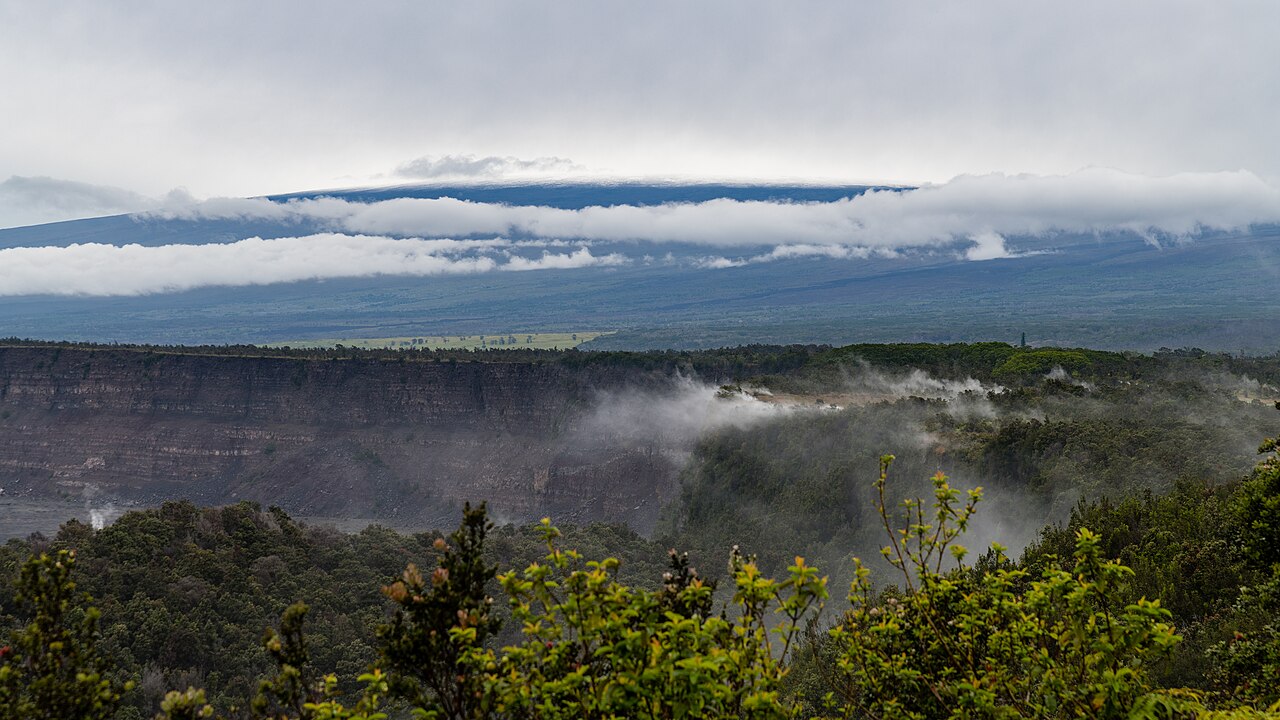
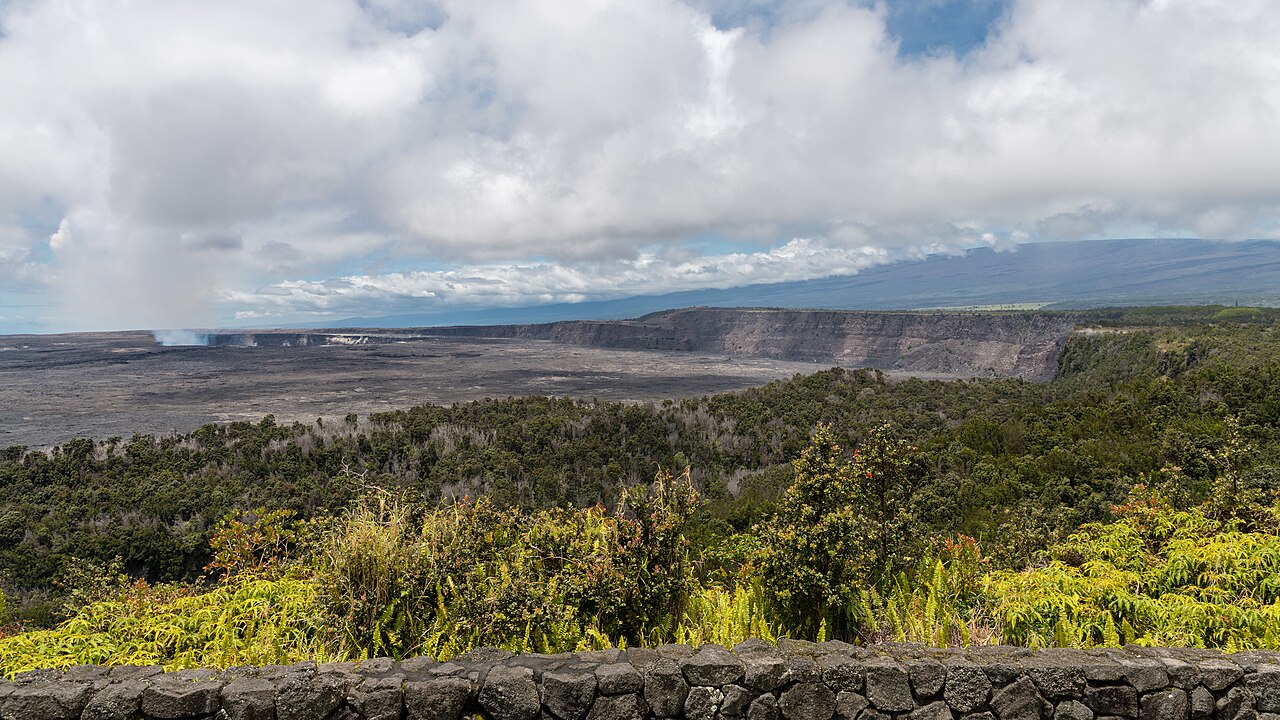
Hawaiʻi Volcanoes National Park, on the Big Island, protects two of the world's most active volcanoes side by side — Kīlauea, one of the most active volcanoes on Earth, and Mauna Loa, the largest active shield volcano on the planet — and was designated a UNESCO World Heritage Site in 1987 for its exceptional geology, biology, and Hawaiian cultural landscape. Kīlauea has been erupting episodically since a new eruptive sequence began in late December 2024, and as of July 2026 intermittent lava activity continues within Halemaʻumaʻu crater, so check the USGS Hawaiian Volcano Observatory (HVO) and the park's alerts page for the latest eruption status before you go. A multi-year construction project to repair summit-area infrastructure is also underway, causing occasional unannounced closures and delays, so build some flexibility into your visit.
Kīlauea Iki Crater Trail: hike across the floor of a crater formed by a dramatic 1959 eruption, best at sunrise
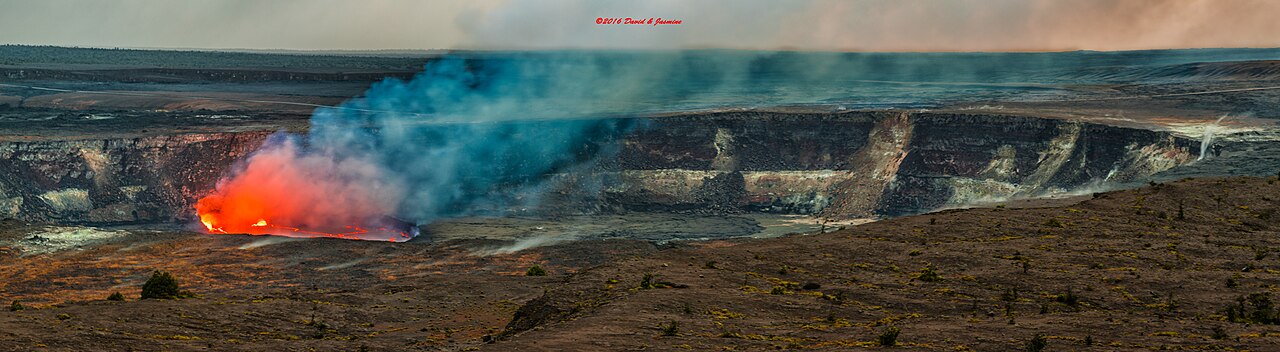
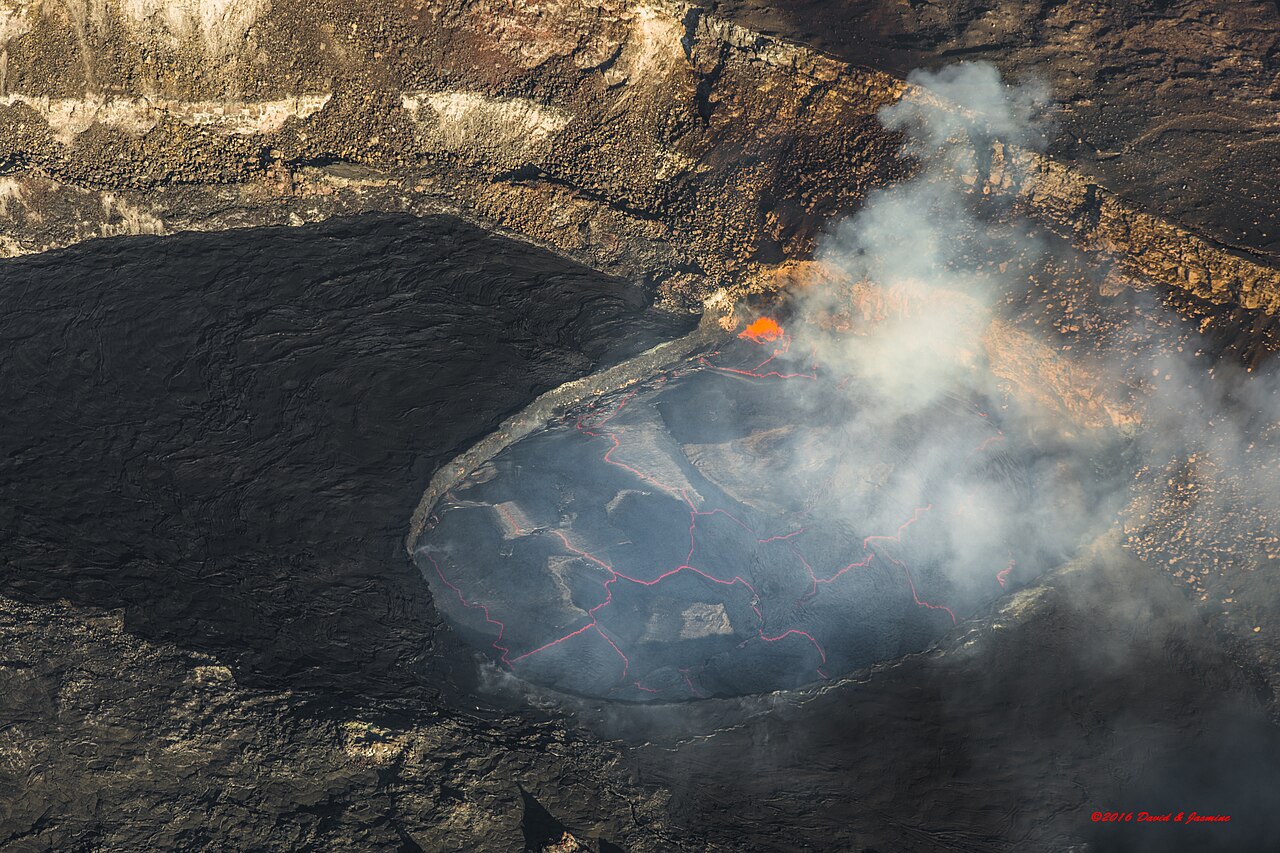
Halemaʻumaʻu overlook: view the sacred crater said to be home to the volcano goddess Pele, especially striking with a red glow during active eruptions
Nāhuku (Thurston Lava Tube): walk through a lava tube tunnel set inside lush rainforest
Chain of Craters Road: a scenic drive past multiple craters down to dramatic coastal cliffs and lava fields
Puʻu Loa Petroglyphs: the largest known concentration of petroglyphs in Hawaiʻi, viewed from a boardwalk
Good to know
SafetyVolcanic gas (vog/SO2) can reach hazardous levels in certain areas, especially for people with respiratory conditions, pregnant women, children, and older adults — heed posted warnings and check park alerts.
SafetyThis is an active volcanic landscape with ground cracks, rockfall, and eruption conditions that can change without warning — never cross closure ropes or barriers, and check the current eruption status before approaching any crater area.
SeasonThe summit area sits around 4,000 ft (1,200 m), where temperatures are cool and rain or fog are common — pack a rain jacket and warm layers. A multi-year construction project at the summit may also cause unannounced road and area closures, so check the park's alert page before you travel.
RulesEntrance fees apply (America the Beautiful passes accepted). NPS fee policy continues to evolve and non-resident foreign visitors may face added surcharges, so confirm the latest fees on the official site before your trip. Drones are prohibited without prior written superintendent approval.
MannersTaking lava rock or sand as a souvenir violates park regulations and, in Hawaiian tradition, is said to invoke Pele's curse — please leave natural materials in place and treat this as a sacred site with quiet respect.
MannersDo not feed or approach wildlife, including the endangered nēnē (Hawaiian goose); stay on marked trails to protect fragile native ecosystems.
CautionBe wary of unofficial roadside vendors or tour operators in Hilo or Volcano village offering 'guaranteed lava viewing' tours or selling 'genuine lava rock' souvenirs — book only through official park channels and licensed operators.
Practical info
The park is about a 45-minute drive from Hilo International Airport (ITO), or roughly 2.5-3 hours from Kona International Airport (KOA); a rental car is effectively required since there's no in-park public transit (fuel up in Volcano village, as there are no gas stations inside the park). Entrance fees, hours, and eruption-related closures change frequently, so verify the latest details on the official NPS website before you visit.
On-site reviews📍 Verified on-site
No reviews yet. If you are here, be the first to leave one.