Goethe's Residence on Weimar's Frauenplan is the Baroque house where Johann Wolfgang von Goethe lived and worked for almost 50 years, from 1782 until his death in 1832. Preserved with its original furnishings and Goethe's own collections of art, minerals and natural-history objects, it is regarded as the heart of Weimar Classicism and, since 1998, part of the UNESCO World Heritage site 'Classical Weimar.' Note that the residence itself is open only until 1 November 2026, after which it closes for roughly three years of restoration — making 2026 effectively the last season to see the authentic living quarters, so plan your visit accordingly.
Goethe's modest study (Arbeitszimmer) where he actually wrote, alongside his adjacent library — the plain desk and chair remain as he used them.
Eighteen accessible rooms of original furnishings, including the colour-themed rooms (Yellow Room, Juno Room) that Goethe arranged himself.
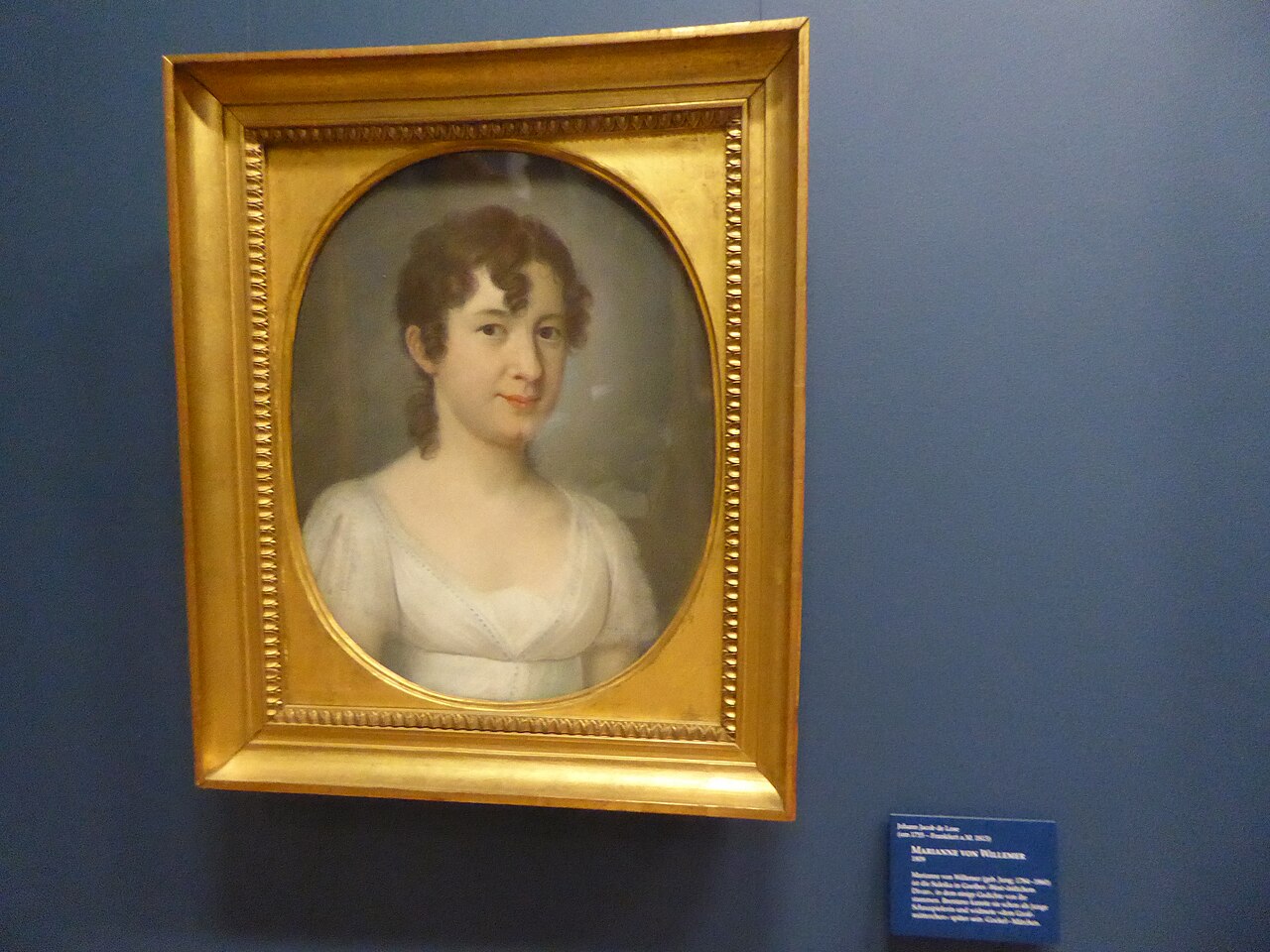
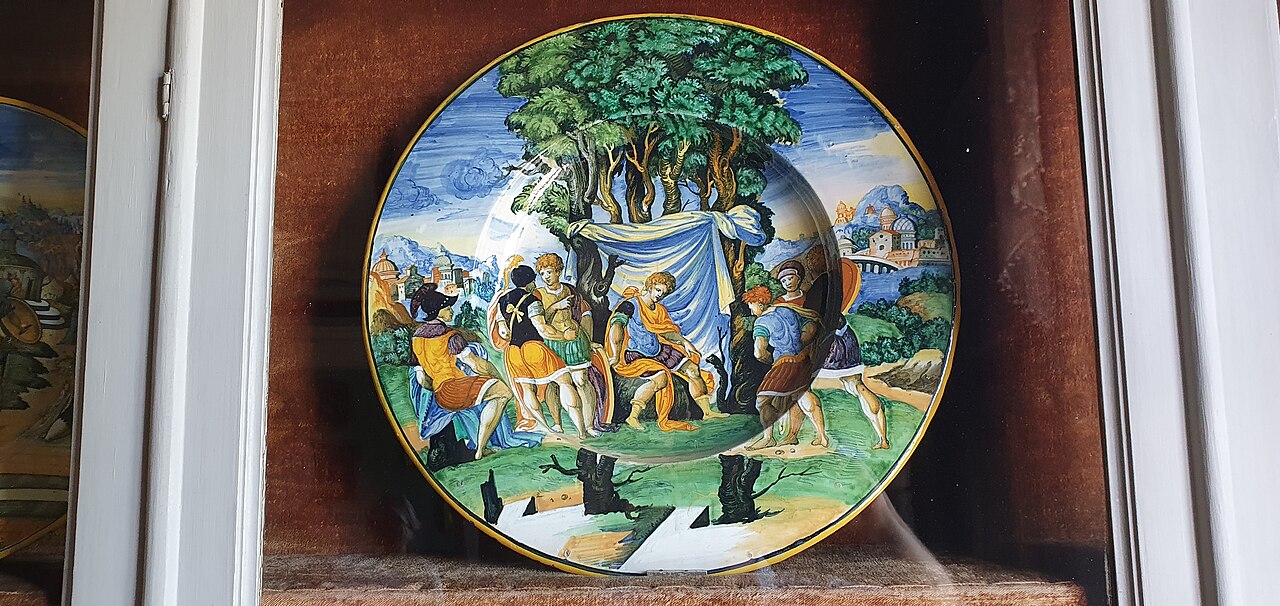
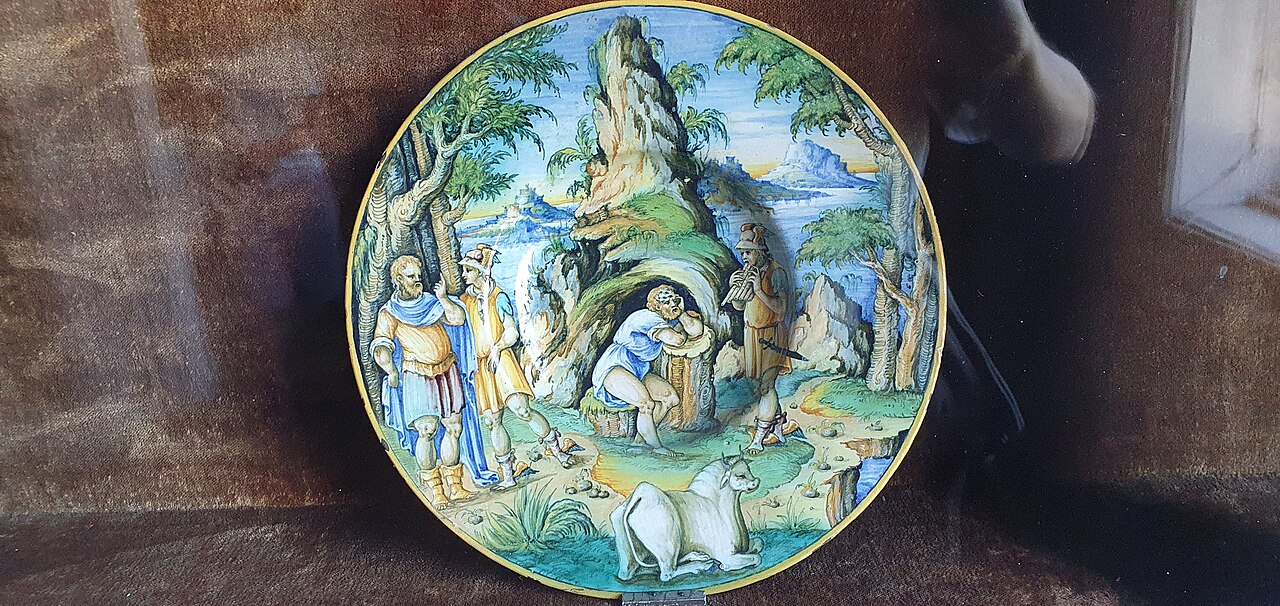
The collection rooms displaying Goethe's art, mineralogy and natural-science holdings, plus some 2,000 of his own drawings that reveal his encyclopaedic interests.
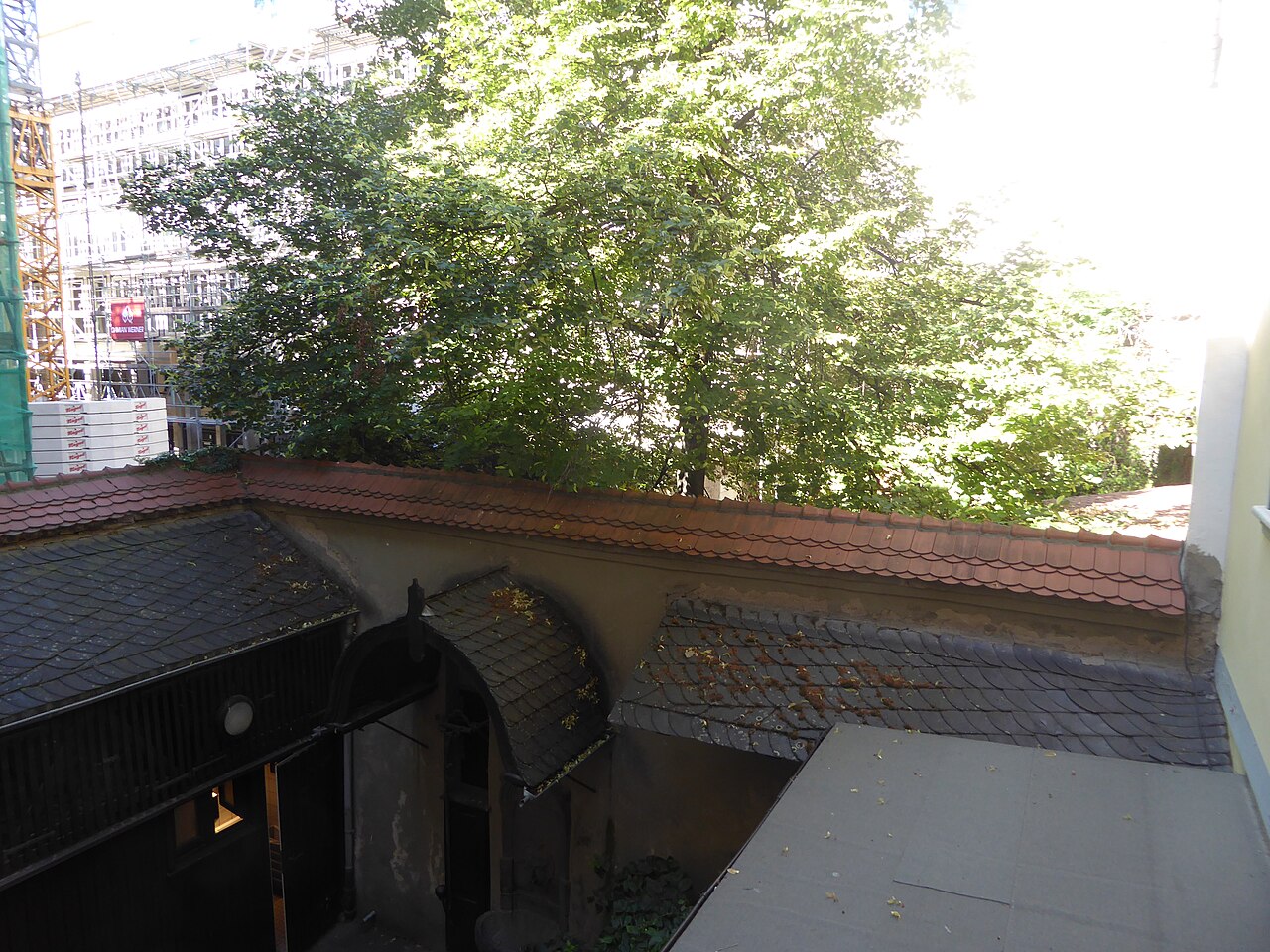
The house garden and the 1817 garden pavilion built to store his mineral collection — a quiet green oasis in the town centre.
The adjoining permanent exhibition 'Flood of Life – Storm of Deeds' (Lebensfluten – Tatensturm) and the new 2026 'Goethe digital' features, including a VR digital Goethe house and virtual study.
Good to know
RulesMost important: the residence (living quarters) is open only until Sunday 1 November 2026, then closes for about three years of restoration. The adjoining Goethe National Museum (permanent and digital exhibitions) stays open, but to see the original rooms you must visit before 1 November.
RulesClosed on Mondays. In the 2026 summer season (from 21 March) the Goethe National Museum opens at 9:30 (other city venues open at 10:00); in winter it closes at 16:00. Always confirm current hours and prices on the Klassik Stiftung official website.
SeasonSummer is peak season and queues can be long; book online in advance or use a combined MuseumsCard covering several sites. Admission prices should be confirmed as current (adjusted for 2026).
MannersTo protect the original furniture and objects, do not touch anything, keep noise down, and expect flash/tripod photography to be restricted. You may be asked to leave large bags or backpacks at the cloakroom.
SafetyWeimar is a relatively safe small city, but stay alert to pickpockets and keep an eye on your belongings around the train station, squares and busy museum entrances.
CautionBuy tickets only from the official Klassik Stiftung Weimar ticket desk or its official website; avoid unlicensed 'guides' who approach on the street and resold tickets sold at a markup.
Practical info
From Weimar main station (Hauptbahnhof) the centre is about 1.2 km — roughly a 10-minute walk, or 4 minutes by bus (lines 2, 3, 6 etc.) to Goetheplatz for about €1.60 — and the house is a 5-minute walk from the Marktplatz. It generally opens Tue–Sun and closes Mondays, with seasonal hours (around 9:30 opening in summer, 16:00 close in winter), so confirm current opening times and admission (around €14 for adults) on the Klassik Stiftung official website before you go.
On-site reviews📍 Verified on-site
No reviews yet. If you are here, be the first to leave one.