Ginkaku-ji (the Silver Pavilion), officially Jisho-ji, was built in 1482 as a retirement villa for Ashikaga Yoshimasa, the eighth Muromachi-period shogun, and converted into a Rinzai Zen temple (Shokoku-ji branch) after his death. It is regarded as the birthplace of Higashiyama culture, which prized restraint and refined simplicity and shaped Japanese tea ceremony, flower arrangement, and garden design. The temple is part of the UNESCO World Heritage 'Historic Monuments of Ancient Kyoto.'
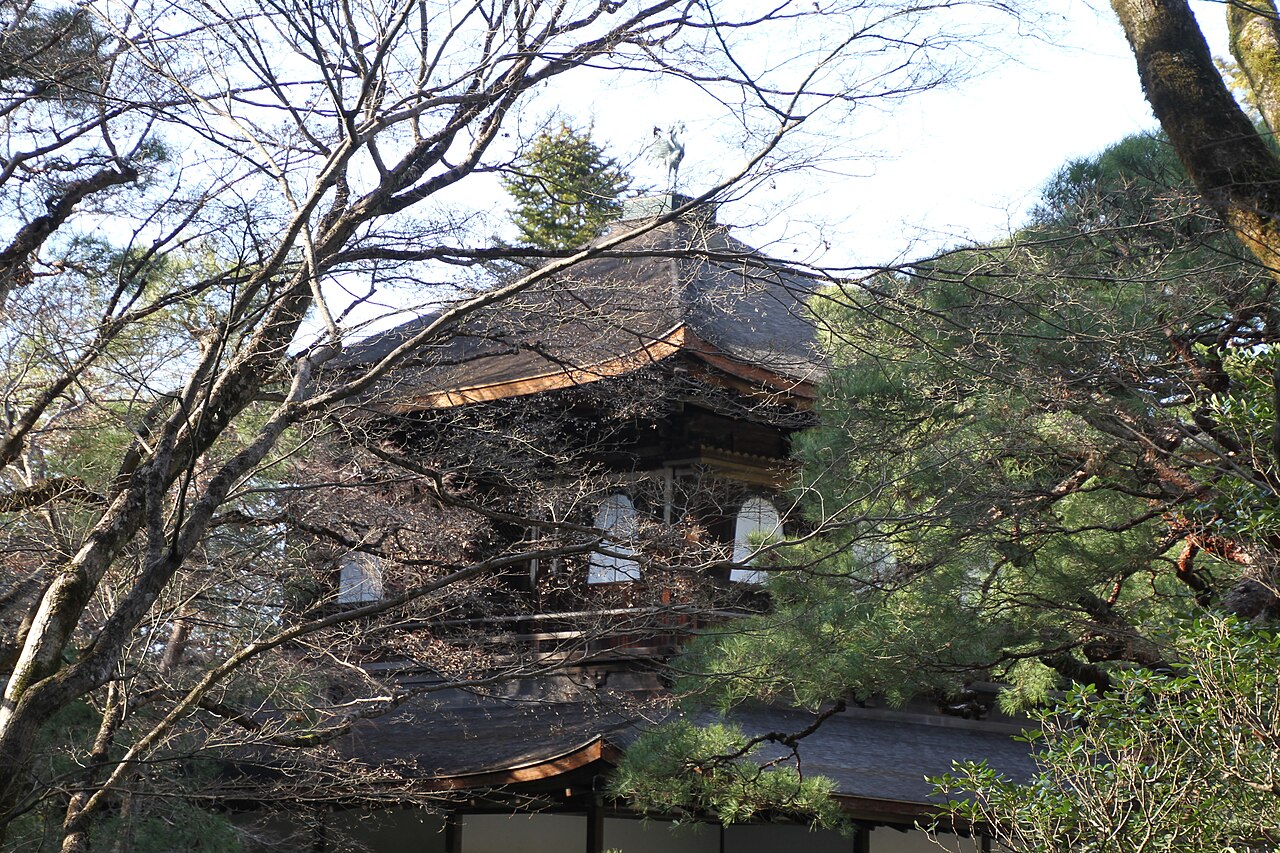
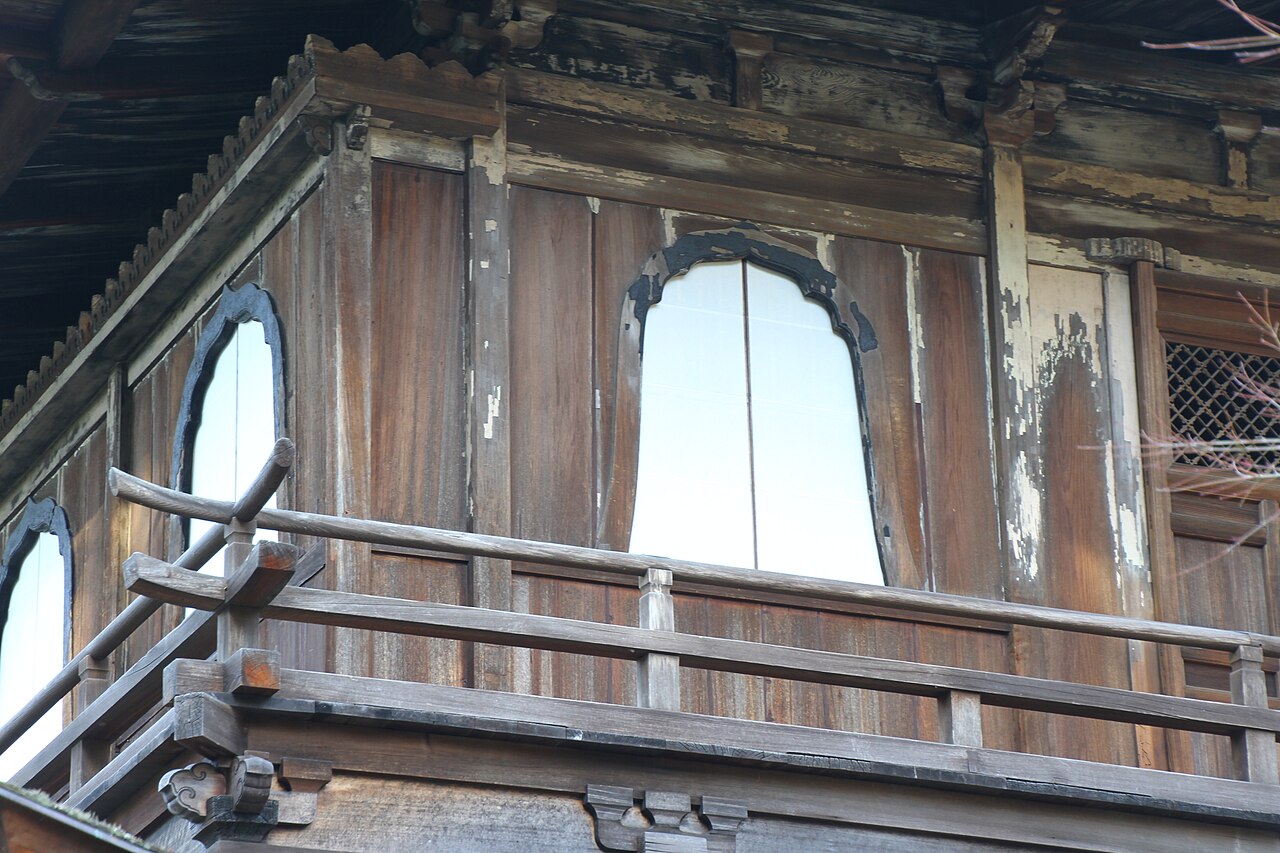
The Silver Pavilion (Kannon-den): despite its name it was never coated in silver, showcasing wabi-sabi restraint rather than opulence
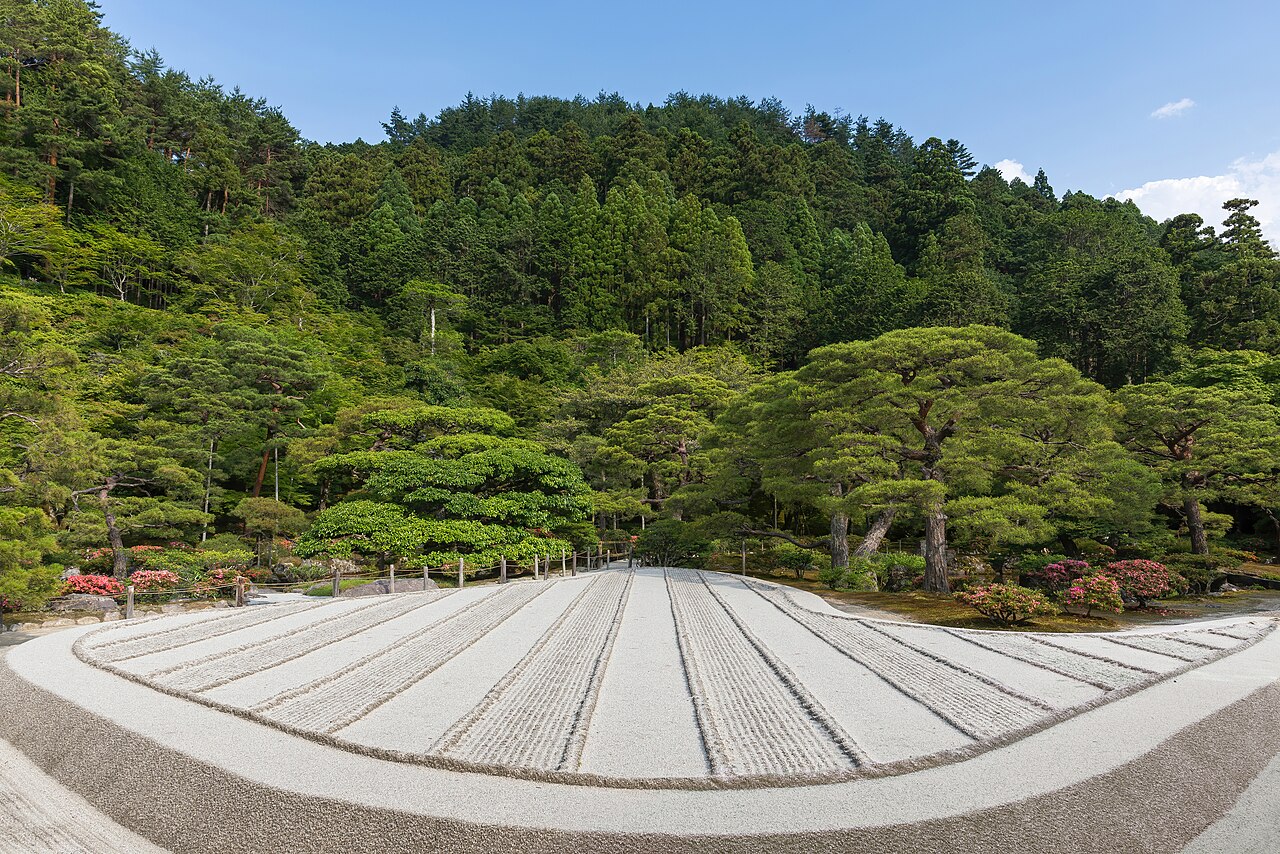
Ginshadan, a 'sea of silver sand' of raked white Kitashirakawa sand said to be designed to reflect moonlight
Kogetsudai, a cone-shaped sand mound about 1.7 m high evoking Mt. Fuji, associated with moon viewing
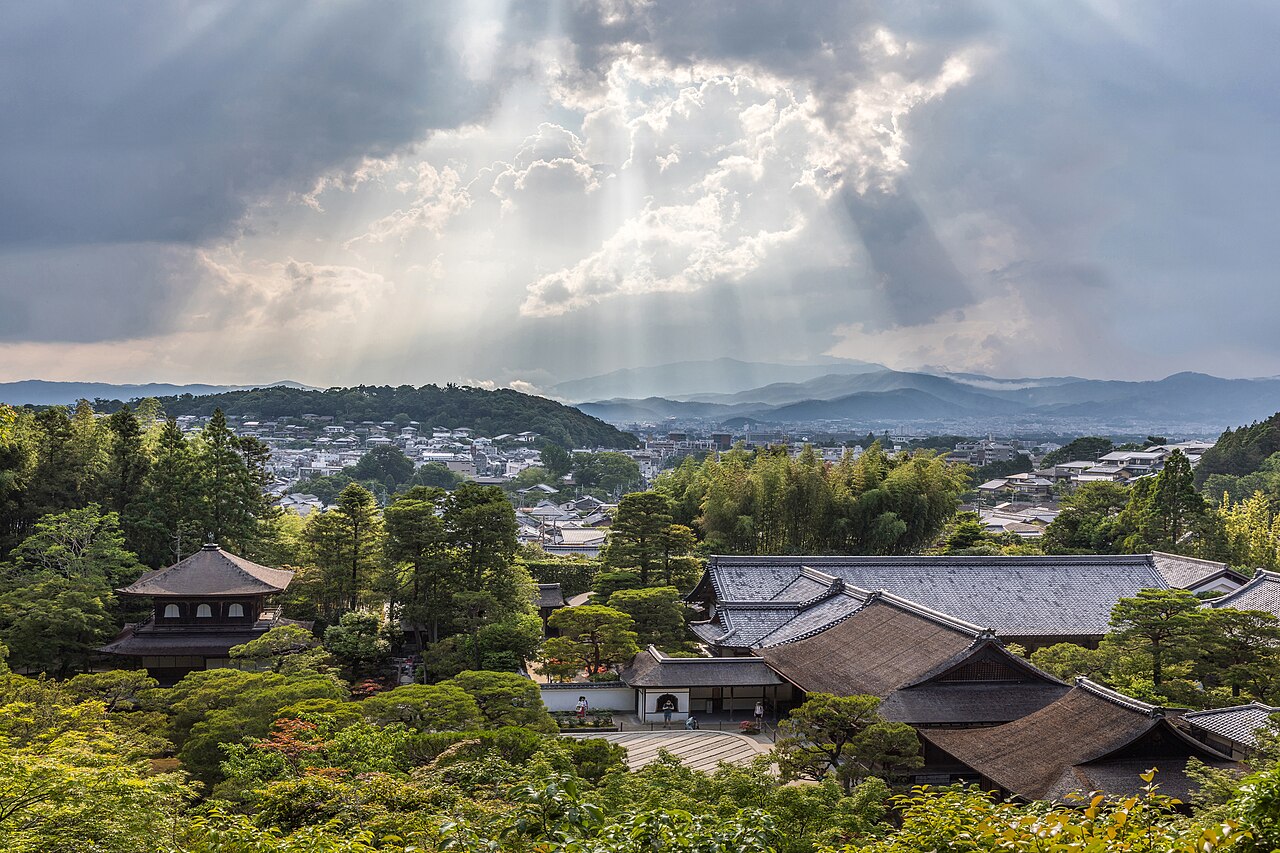
A strolling garden of moss and a pond, plus a hillside viewpoint overlooking the pavilion and the Kyoto cityscape
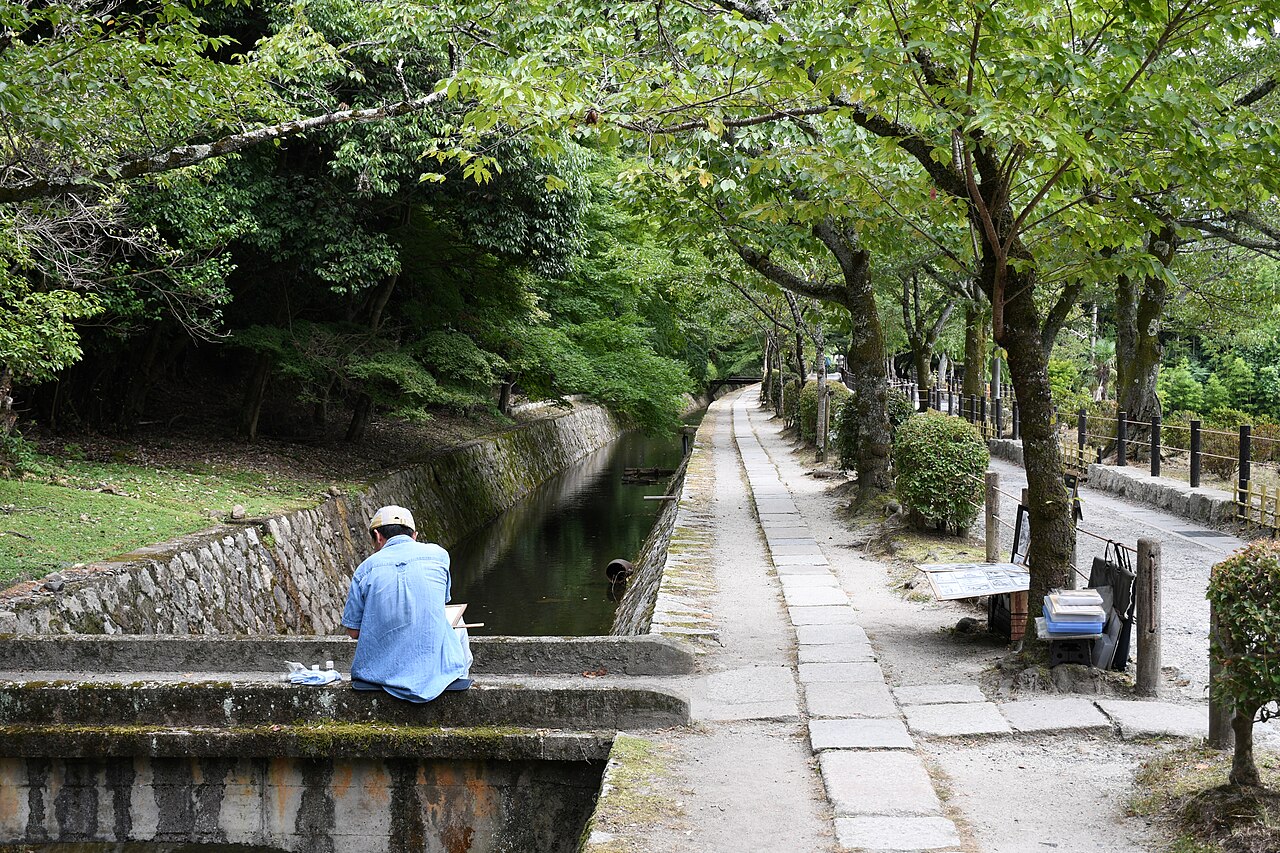
The Philosopher's Path, which begins just beside the temple gate, ideal for combining with a walk
Good to know
RulesFrom April 1, 2026 the admission/donation rose to 1,000 yen for high-school students and older (from 500) and 500 yen for elementary/junior-high students (from 300). Confirm the latest fee before visiting.
SeasonOpening hours vary by season: 8:30-17:00 (March-November) and 9:00-16:30 (December-February). Check current hours before you go.
SeasonLate-November autumn foliage and spring cherry-blossom seasons are extremely crowded. Arriving right at opening or later in the afternoon helps you avoid the worst congestion.
MannersThis is a working Zen temple, so keep quiet. Never step on or touch the sand formations (Ginshadan and Kogetsudai) and stay on the marked visitor route.
SafetyThe garden path has slopes, stairs, and mossy sections that can be slippery after rain. Wear comfortable shoes and take the climb to the hilltop viewpoint at an easy pace.
MannersThe main hall interior is normally closed and can only be seen during special spring/autumn openings. Always follow no-photography signs and staff announcements.
Practical info
From Kyoto Station take a city bus to 'Ginkakuji-michi' or 'Ginkakuji-mae,' then walk about 5-10 minutes. Allow roughly 45-60 minutes to visit. Verify fees, hours, and any special-opening dates via official sources before your trip.
On-site reviews📍 Verified on-site
No reviews yet. If you are here, be the first to leave one.