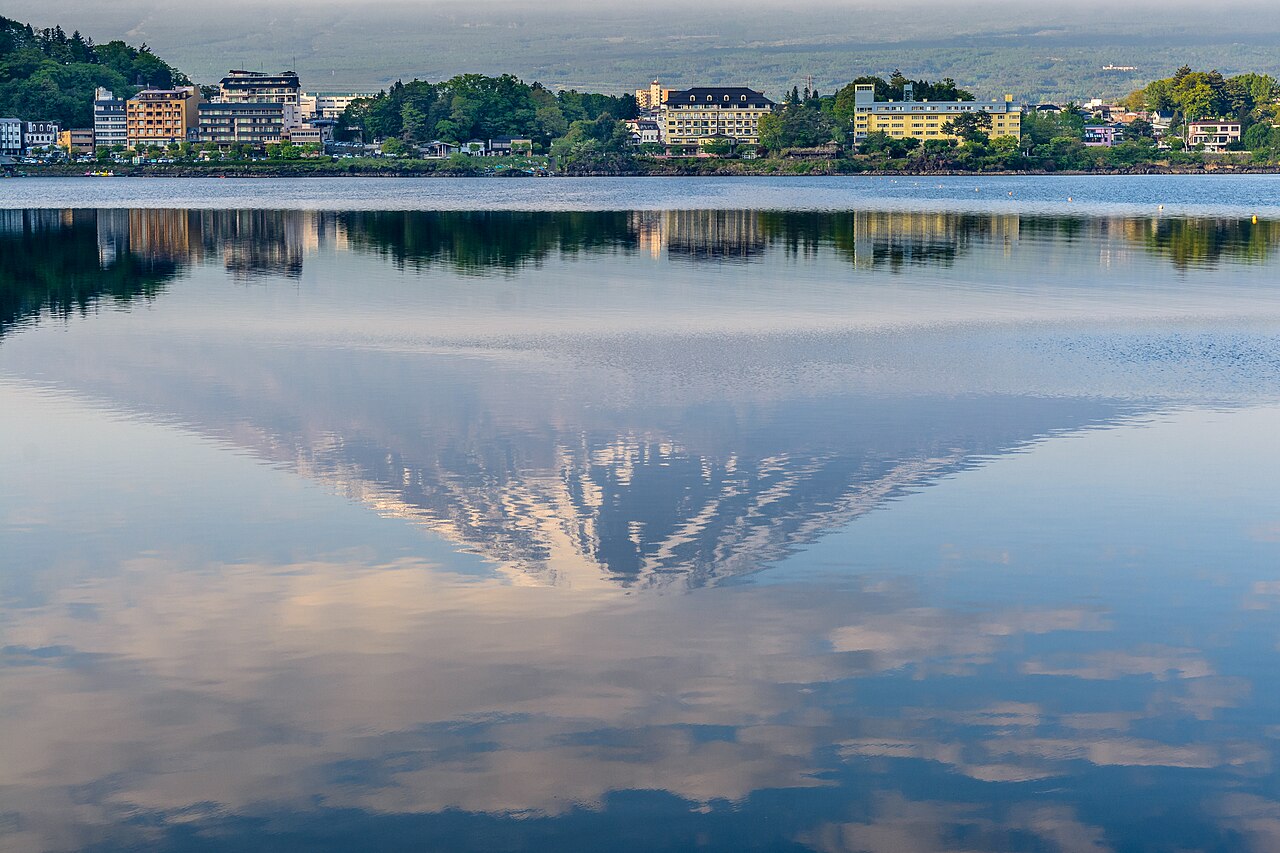
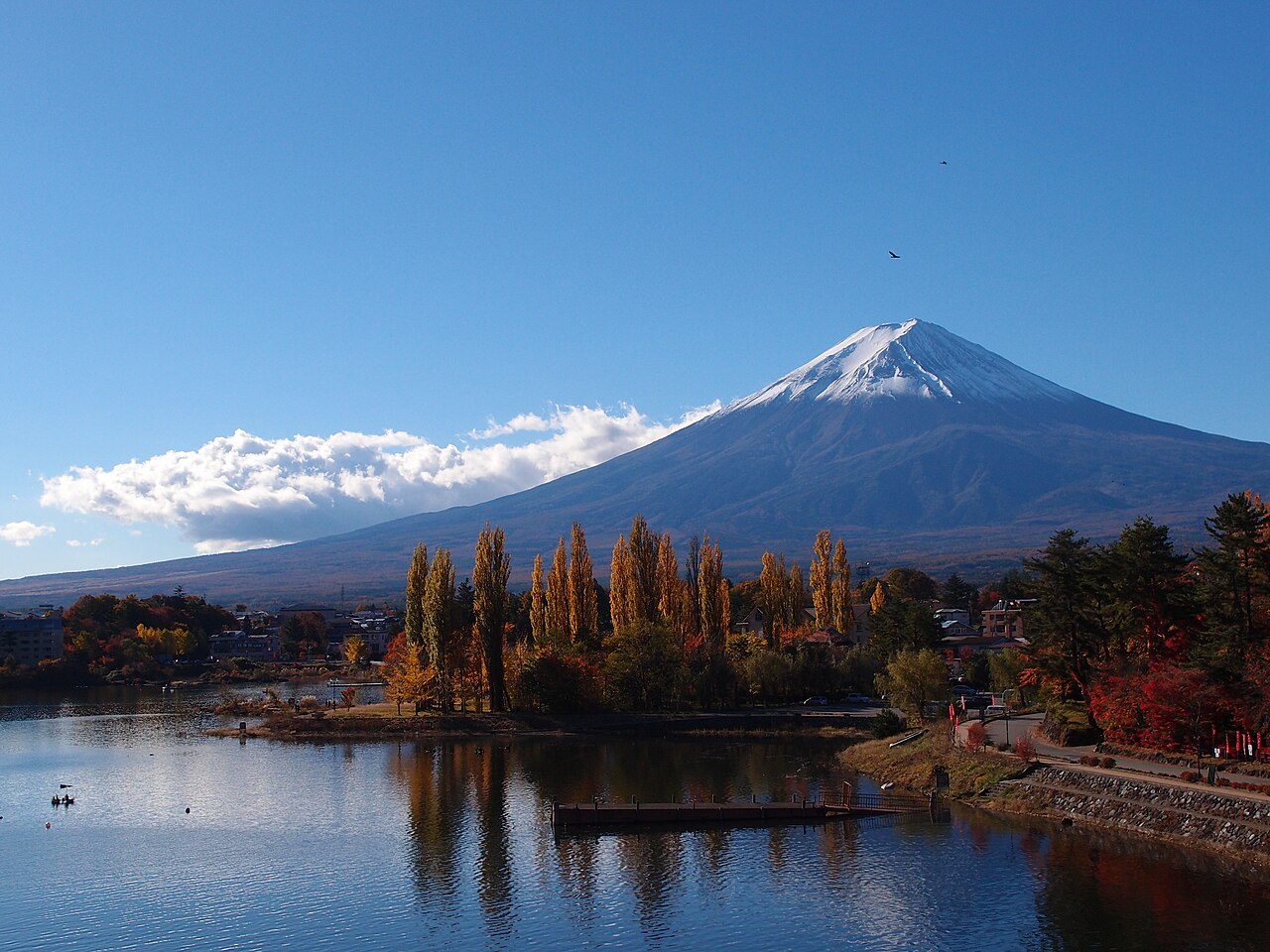
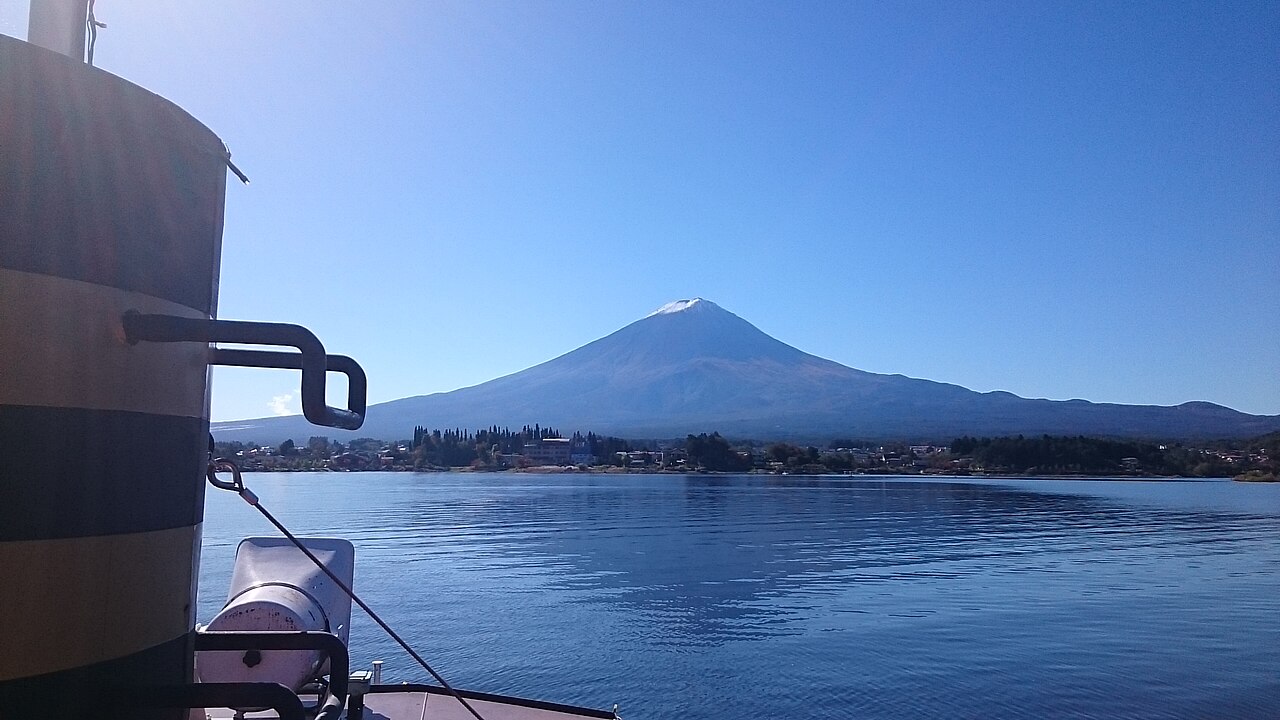
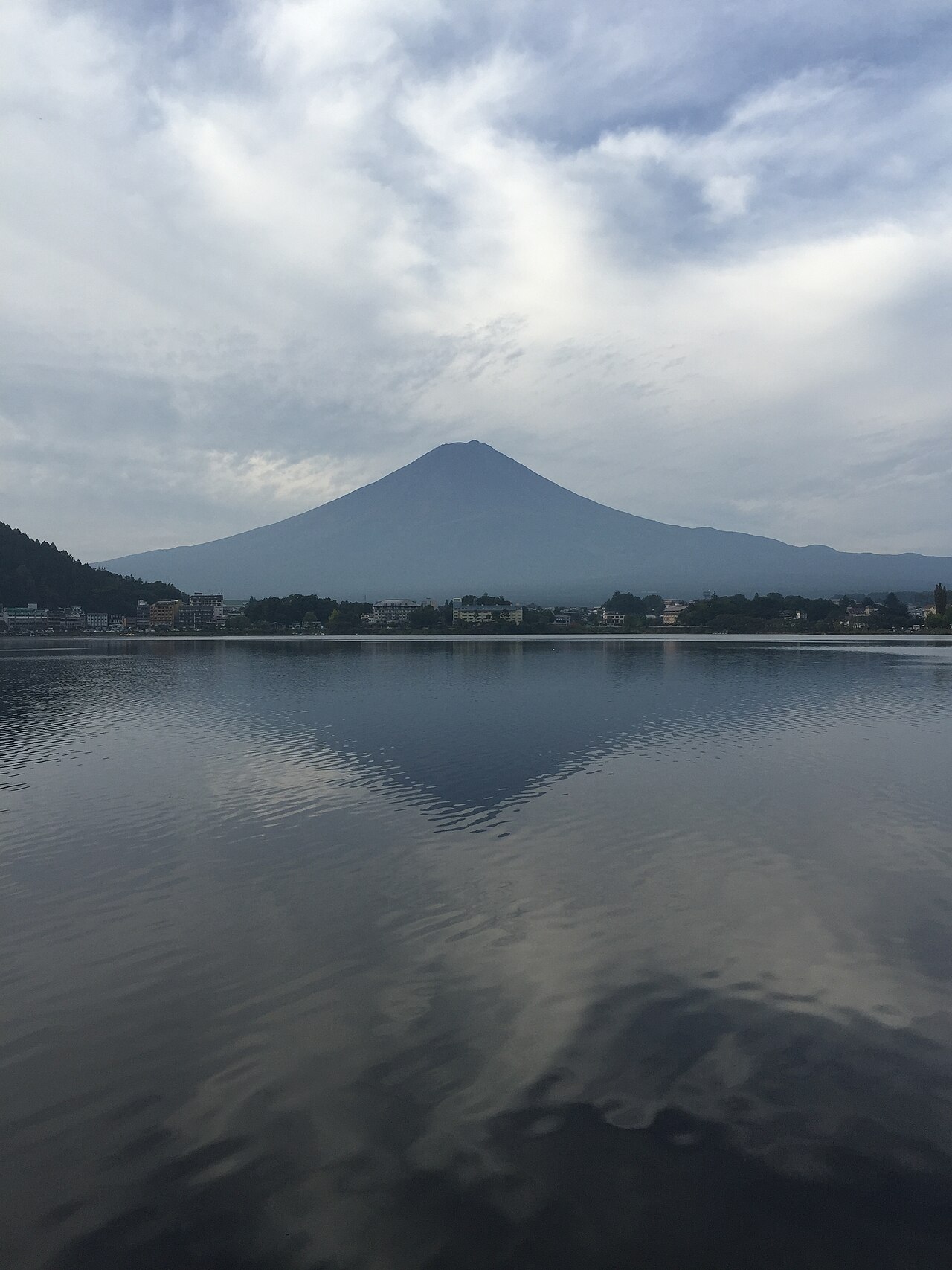
Mount Fuji (Fujisan), at 3,776 m, is Japan's highest peak and an active stratovolcano inscribed on the UNESCO World Heritage List in 2013 as a 'sacred place and source of artistic inspiration.' Long an object of faith and pilgrimage, it is registered together with 25 component sites including base-of-mountain Sengen shrines and Oshi pilgrim lodging houses. During the short summer climbing season, hikers crowd the trails to catch the sunrise (goraiko) from the summit.
The summit sunrise 'goraiko' and the 'ohachimeguri' walk around the crater rim
The Yoshida Trail 5th Station (Fuji Subaru Line, ~2,300 m), the busiest trailhead lined with mountain huts
Fujisan Hongu Sengen Taisha and other base shrines - the head of more than 1,300 Sengen shrines nationwide
The summit shrines and pilgrim routes set among the peaks ringing the crater
Sacred natural landscapes at the foot: the Fuji Five Lakes (e.g. Kawaguchiko), lava formations and spring water
Good to know
SeasonClimbing is possible only in summer. Yoshida/Subashiri trails run about Jul 1-Sep 10 and Fujinomiya/Gotemba about Jul 10-Sep 10; off-season climbing is banned and extremely dangerous (huts closed, no rescue, summit -20 to -30C).
RulesSince 2025 a 4,000-yen entry fee is mandatory on all four trails. The Yamanashi-side Yoshida Trail requires advance online reservation and payment; the three Shizuoka-side trails require pre-registration plus a safety e-learning course (verify latest rules before you go).
RulesNight access is restricted: the 5th-station gate is closed from 14:00 to 03:00 the next day (except mountain-hut guests). The Yoshida Trail has a daily cap of 4,000 climbers.
Safety'Bullet climbing' (dangan tozan) - going up overnight without rest - is discouraged and restricted because it raises the risk of altitude sickness, hypothermia and injury. Without winter clothing, two-piece rain gear and proper boots you may be turned back at the 5th-station gate.
SafetyAt 3,776 m, altitude sickness (headache, dizziness, nausea) can affect anyone; weather changes fast around 14:00-16:00 with lightning and strong winds on the exposed summit. Ascend slowly and descend immediately if you feel unwell.
MannersOn the descent, taking the right fork near Shita-Edoya wrongly leads onto the Subashiri Trail, from which you cannot return to the Yoshida 5th Station (this happens to many hikers yearly). Follow the yellow Yoshida-trail signs carefully.
Practical info
Open in the summer season only. Entry fee 4,000 yen (Yoshida Trail requires advance online reservation; the three Shizuoka trails require pre-registration). From Tokyo, direct buses run from Shinjuku to the Fuji Subaru Line 5th Station in about 2.5 hours (around 4,800 yen one way). Yoshida Trail: ~5-7 h up, 3-5 h down. Mountain-hut overnight roughly 13,000-15,000 yen; toilets charge a small fee (about 200-300 yen). Confirm fees, hours and rules on the official site before visiting.
On-site reviews📍 Verified on-site
No reviews yet. If you are here, be the first to leave one.
Sources · UNESCO World Heritage Centre - Fujisan (whc.unesco.org/en/list/1418/) · Mt. Fuji Climbing Official Site (fujisan-climb.jp/en/) · Yamanashi Prefecture official Mt. Fuji climbing regulations (pref.yamanashi.jp/fujisan/) · Japan Guide - Climbing Mount Fuji (japan-guide.com/e/e6901.html) · Wikipedia - Mount Fuji (en.wikipedia.org/wiki/Mount_Fuji)
Report content
Tell us what is wrong or could be improved.
Write an on-site review
You can post only while you are within this attraction. Location permission is required.