Passe Tumakohua / Tetamanu, Fakarava · 프랑스령폴리네시아 투아모투 파카라바 남단
Location
Overview
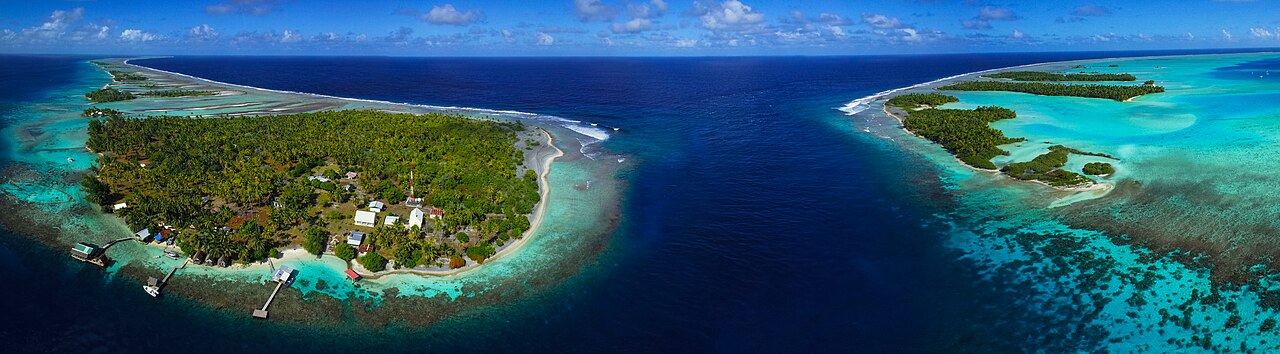
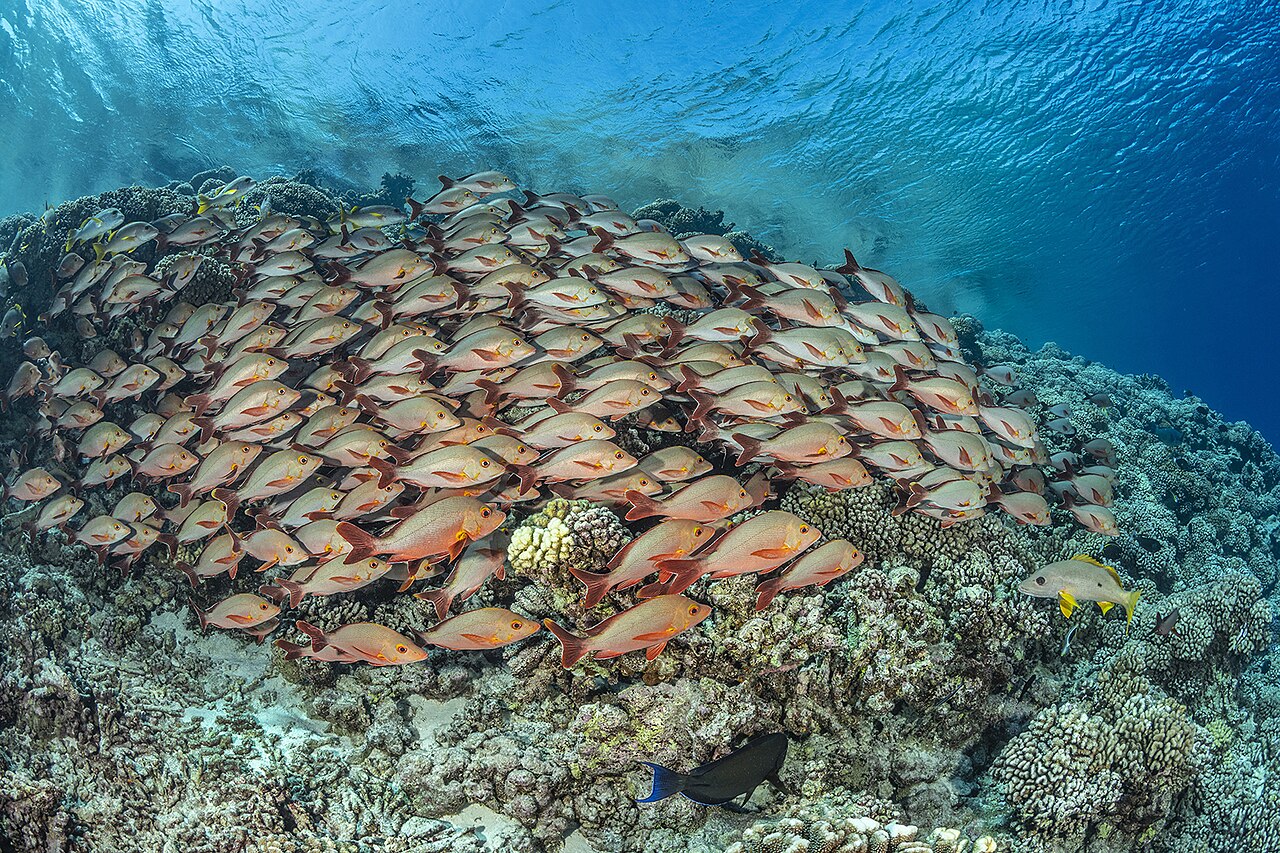
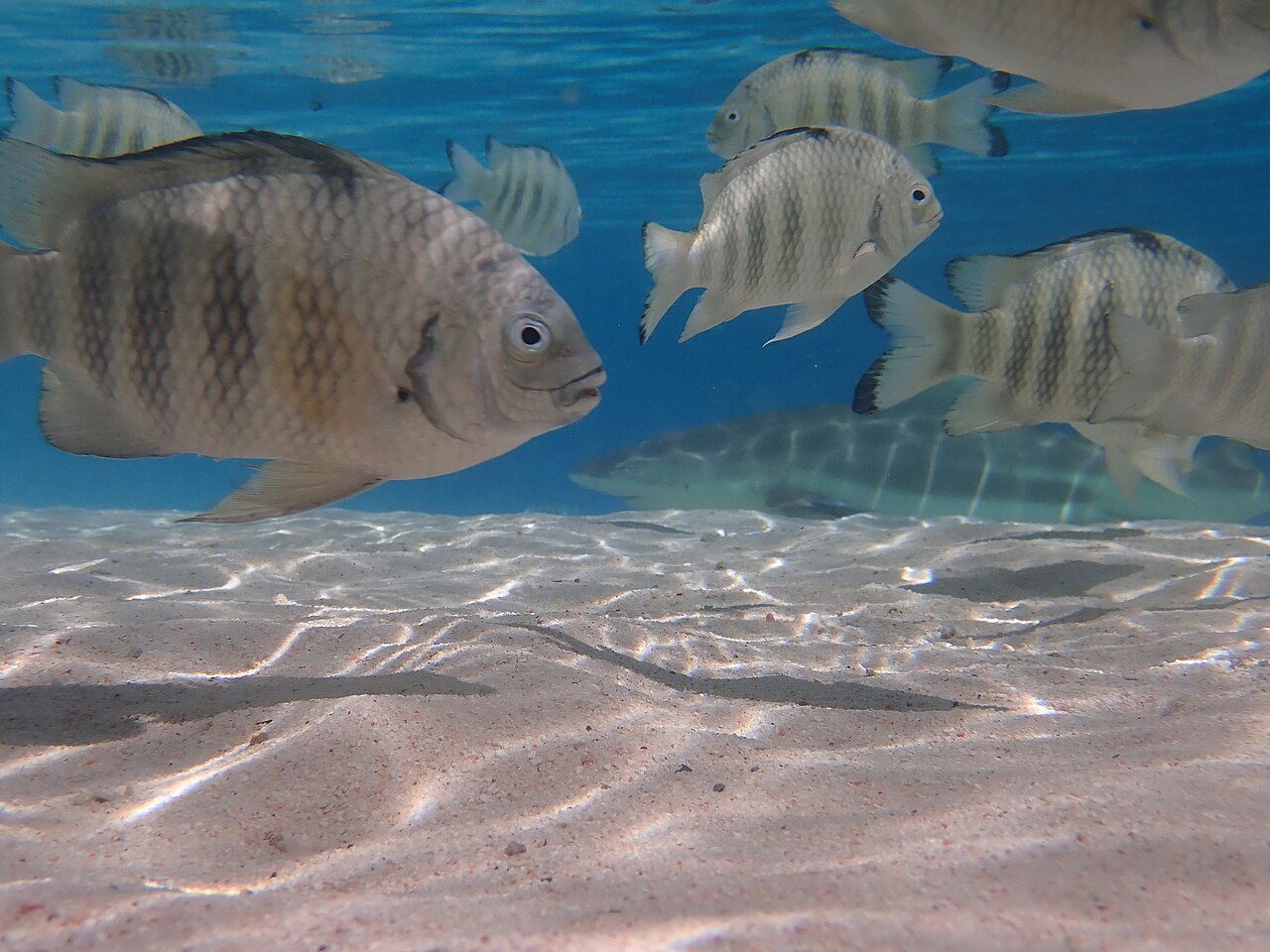
Tumakohua Pass, the south pass of Fakarava atoll in the Tuamotus of French Polynesia, sits in front of the tiny village of Tetamanu inside a UNESCO Biosphere Reserve. Between the village jetties, two shallow natural 'pools' (about 2 m / 6 ft deep) form a calm beginner zone where almost-tame Napoleon wrasse and dozens of blacktip reef sharks swim right beside you. Out in the pass, the famous 'shark wall' holds hundreds of grey reef sharks hovering into the current—typically 100–150, and far more during the June–July grouper spawning—clearly visible from the surface even though they patrol roughly 20–30 m down. Visibility runs 20–40 m and the water stays a warm 26–29°C year-round, but drifting the pass itself is an advanced, current-dependent outing.
The shark wall: hundreds of grey reef sharks stacked into the current, one of the densest shark aggregations on Earth
The 'pools' between the jetties: a 2 m-deep beginner zone with tame Napoleon wrasse and blacktip reef sharks
Incoming-tide drift snorkel: start at the white buoy and let the current carry you through the pass (guide/boat required)
Napoleon (Maori) wrasse: one of the world's best places to meet these giants, including electric-green terminal males
June–July full-moon grouper spawning: marbled grouper mass-aggregate and draw an explosion of sharks
Good to know
SafetyThe tidal current in the pass is powerful. Enter only on the incoming tide (ocean to lagoon), always with a guide/boat and a float or buoy; an outgoing current can sweep you out to open sea, so never snorkel here alone.
SafetyThis is one of the highest shark densities anywhere. Grey reef sharks rarely bother snorkelers, but stay calm at the surface, avoid splashing, sudden moves and diving down, and never hold fish or feed them. Beginners should not underestimate the risk—go with a guide.
SafetyDive boats and drift drop-offs move through the pass. Stay tight with your group and use a highly visible float.
SafetyOn the reef flat and shallows you'll find fire coral, sea urchins, stonefish and cone shells that cut or sting on contact. Don't stand on or touch coral, and watch for mask fog, panic, and chilling on long drifts.
RulesAll of Fakarava is a UNESCO Biosphere Reserve—take no coral, shells or marine life, use reef-safe sunscreen, and snorkel the pass only through a licensed dive shop or pension guide.
MannersDon't stand on coral, and keep your distance from sharks, turtles and Napoleon wrasse—no feeding wildlife.
SeasonWater is 26–29°C all year. The dry season (May–Oct) has the calmest conditions, and the June–July full-moon grouper spawning is the peak spectacle; the wet season (Nov–Apr) brings more rain and wind.
Practical info
Tetamanu is reachable only by boat—about 1.5 hours from Rotoava, Fakarava's main village. Come on a guesthouse stay (Tetamanu Village, Tetamanu Sauvage, Motu Aito) or a day trip from Rotoava with gear rental and guide included; confirm current prices and boat schedules locally.
On-site reviews📍 Verified on-site
No reviews yet. If you are here, be the first to leave one.