The Meeting of Waters (Encontro das Águas) is the point where the tea-black Rio Negro and the pale, muddy Rio Solimões run side by side for about 6 km without mixing before merging to form the Amazon River. The two rivers refuse to blend because of sharp differences in temperature (Negro around 28°C, Solimões around 22°C), speed and the heavy Andean sediment load that makes the Solimões denser, producing a startling color line on the water — Manaus's single most famous natural attraction, reachable only by boat. As of July 2026 the river has already entered its dry-season recession (vazante), and Brazil's Geological Survey (SGB) is warning of a possible historic drought on the scale of 2023. The dry season (roughly July–December) actually sharpens the contrast between the two waters, but very low water can shift departure ports and boat access, so treat this as a guided boat outing and check conditions before you go.
The knife-sharp boundary where jet-black and café-au-lait waters flow in parallel — the color contrast is strongest in morning light
A combined visit to nearby Janauari Ecological Park: narrow igarapé channels, giant Victoria water lilies (seasonal) and pink river dolphins (botos)
Lunch of regional Amazon fish (tambaqui, tucunaré) at floating restaurants moored on the river
The guide's explanation of why the waters don't mix (temperature, speed, density) at the symbolic point where the Amazon River 'begins'
Your choice of the fast route from CEASA port (about 25 min from downtown, roughly a 10-minute crossing) or a departure from the central docks
Good to know
Season2026 is trending toward an early, severe dry season, with water levels falling from July and a real risk of historic drought. The color contrast is best in the dry months, but low water can change the departure port and limit the Janauari flooded-forest and water-lily experience — confirm current river conditions before booking.
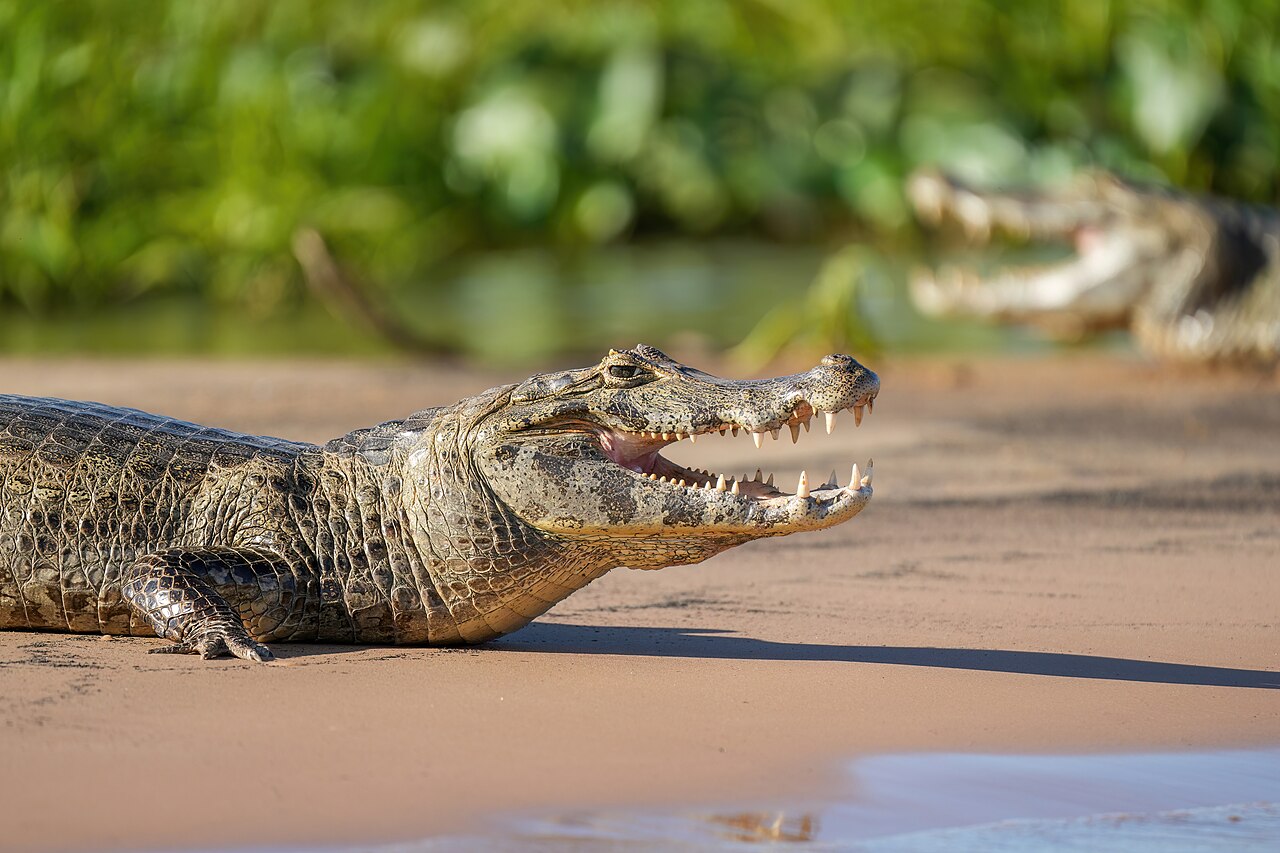
SafetySmall open boats leave you fully exposed to equatorial sun and heat. Sunscreen, a hat, drinking water and a life jacket are essential; keep hands and feet out of the water because of caimans and other wildlife, and follow the guide. Use only registered, licensed boats and operators.
CautionDock touts and unlicensed 'guides' routinely overcharge. Agree on price, exactly what is included (Janauari, lunch) and total duration before you board, and avoid paying the full amount up front — very cheap tours sometimes barely reach the meeting point or rush through it.
RulesBook through an established boatmen's cooperative (such as Sol Negro at CEASA port) or a licensed agency. Fares and departure times vary widely by boat size, operator and season, so always verify the latest information.
MannersMany riverside 'communities' and 'Indigenous village' stops on these tours are staged commercial visits. Always ask before photographing people, and a tip of around 10% for guides and boatmen is customary though not obligatory.
SafetyOptional 'touch/swim with the dolphins' activities raise animal-welfare, hygiene and safety concerns — decide carefully. The Amazon is a malaria and yellow-fever region, so confirm vaccinations and a basic medical kit before you travel.
Practical info
The site is reached only by boat, most quickly from CEASA port (about 25 min from downtown Manaus, roughly a 10-minute crossing to the confluence) or from the central/São Raimundo docks; there are no fixed 'opening hours,' with departures usually around 8–9 AM. Trips range from a private run to the confluence of about one hour up to half- or full-day tours that include Janauari, and fares vary sharply by boat size, operator and season — always confirm the latest price, departure port and schedule when booking. Independent visitors can take city bus line 713 to a port and negotiate directly with boatmen, but an organized tour is far easier.
On-site reviews📍 Verified on-site
No reviews yet. If you are here, be the first to leave one.