Reserva Marina Punta de La Restinga - Mar de las Calmas · 엘 이에로
Location
Overview
Mar de las Calmas — literally "the sea of calms" — wraps the southern tip of El Hierro, the westernmost Canary Island, where the island's own bulk creates a wind shadow and some of the flattest water in the Atlantic. Volcanic terrain drops away vertically almost from the shoreline, so a few minutes by boat puts you over depth, and the marine reserve declared in 1996 keeps fish density high and visibility usually in the 25–30 m range or better. Water runs around 20°C in winter and 26°C or warmer in summer, making it a year-round destination with June to November the most reliable window. One thing to know in 2026: the area is going through the process of becoming Spain's first exclusively marine national park (roughly 24,800 ha), so access rules may change.
Tacorón bay — the practical home of freediving here. A steep wall runs down to around 45 m, with summer visibility near 30 m and water around 24°C, workable for both line training and easy fun dives.
The lava arch at 7 m — a short, light-filled swim-through that photographs beautifully and is, make no mistake, a genuine overhead.
El Bajón seamount — twin pinnacles at 6–9 m whose walls plunge 80–100 m. Current sweeps the ridge and pulls in big aggregations; mobulas and, rarely, whale sharks pass through (a designated scuba point under the reserve's permit system).
Echedo on the north coast — a training site beside lava pools, useful when the south is closed, but fully exposed to swell.
The reserve's dense marine life — dusky groupers, barracuda schools, octopus, garden eels at 20 m — and the Open Fotosub competition, which has run since 1996 and includes a freediving (apnea) category.
Good to know
RulesFreediving is not freely permitted inside the marine reserve. Diving legally at Tacorón in practice means going through a licensed operator (such as Freediving El Hierro) that clears each session with the reserve wardens — turning up independently with a set of fins can put you on the wrong side of the regulations. With the national park designation in progress, confirm current rules before you book.
SafetyShallow water blackout and LMC arrive without warning. The final 10 m of ascent and the first 30 seconds on the surface are the danger zone, so no dive happens without a trained buddy giving one-to-one direct supervision. Slipping down alone "just for a minute" is the single most common thread in freediving fatalities.
SafetyOn deep lines, a lanyard and a rigged counterballast are baseline, not extras. The drop-offs here run past 100 m; if a diver comes off the line or blacks out deep, there is no recovery without a system already in place.
SafetyThe 7 m arch and the lava tunnels are overhead environments, and being shallow does not make them forgiving — you cannot surface through rock. Do not enter without scouting the route, keeping it short, and stationing surface support.
SafetyThere is no recompression chamber on El Hierro. A serious incident means a helicopter transfer to Tenerife (HUC), which takes time. Verify the oxygen kit, the emergency action plan, and whether your insurance actually covers freediving to your target depth before you travel.
SeasonDiving works all year, but June to November is the most settled stretch. In winter the water sits near 20°C and the north and west sites can turn over quickly with swell. A 5 mm suit covers most of the year; 3 mm is usually enough from July to November.
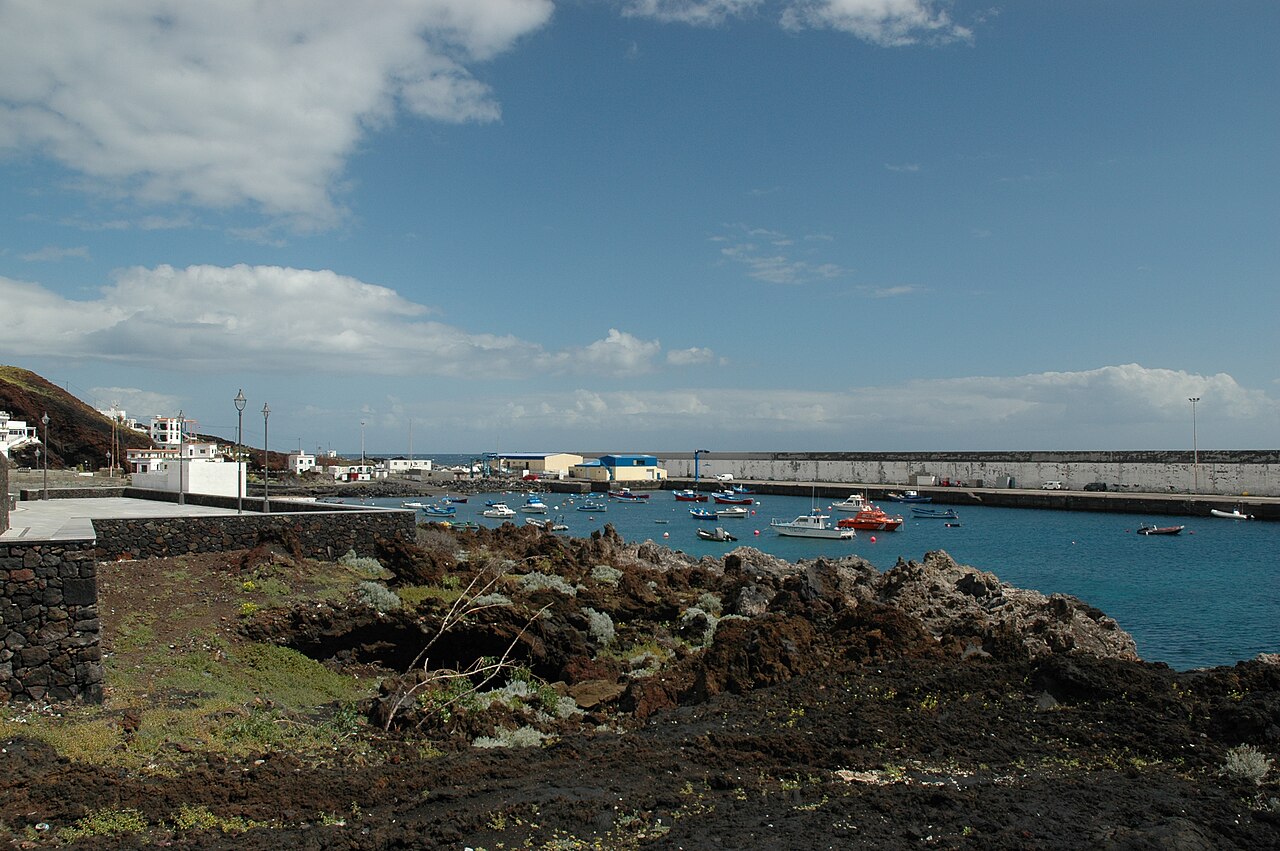
RulesIn 2011–2012 the Tagoro submarine volcano erupted 1.8 km off La Restinga and the village and its waters were closed for a period. The system is dormant now and monitored continuously by the IGN, but check for volcanic or port advisories close to your travel dates.
Practical info
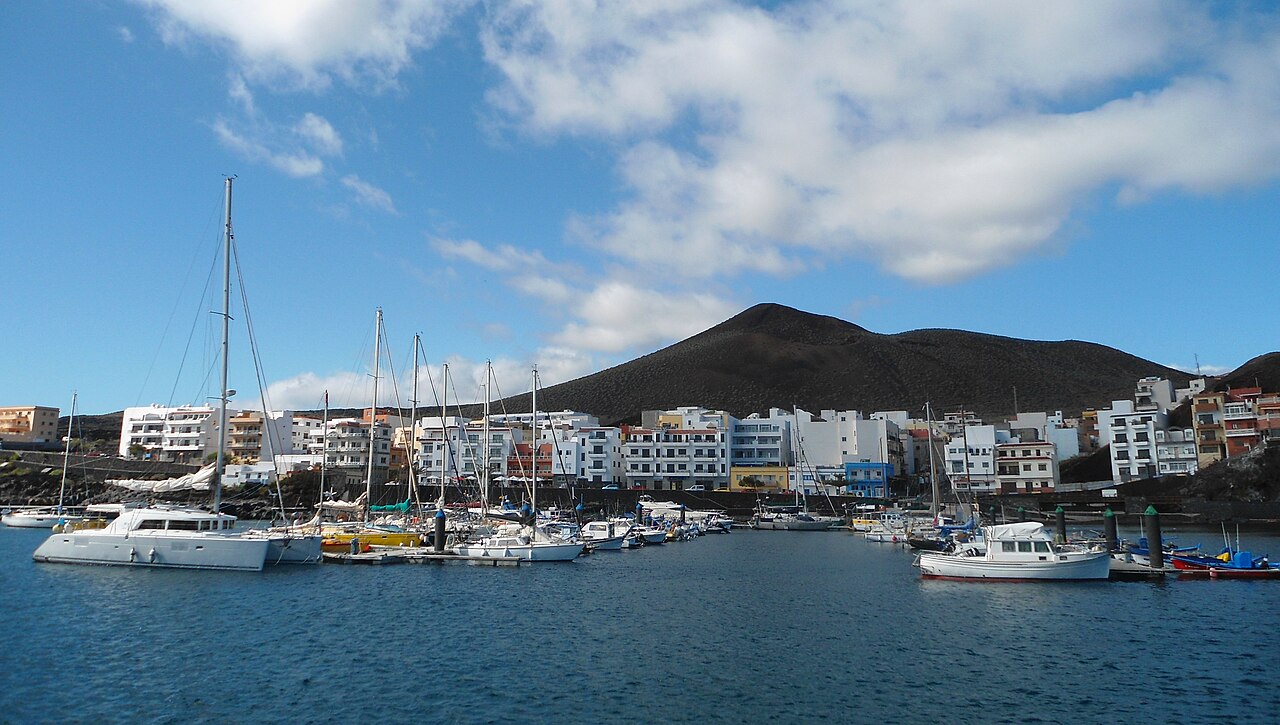
Reach Tenerife first, then fly Binter from Tenerife North (TFN) to El Hierro (VDE) in about 40 minutes on one of a handful of daily services, or take the ferry from Los Cristianos to Puerto de la Estaca (roughly 2.5 hours); it is around a 45-minute drive on to La Restinga. Seats and sailings are limited and freediving is effectively booking-only, so contact the operator directly to confirm course dates, certification and insurance requirements, and current pricing and hours, which change.
On-site reviews📍 Verified on-site
No reviews yet. If you are here, be the first to leave one.