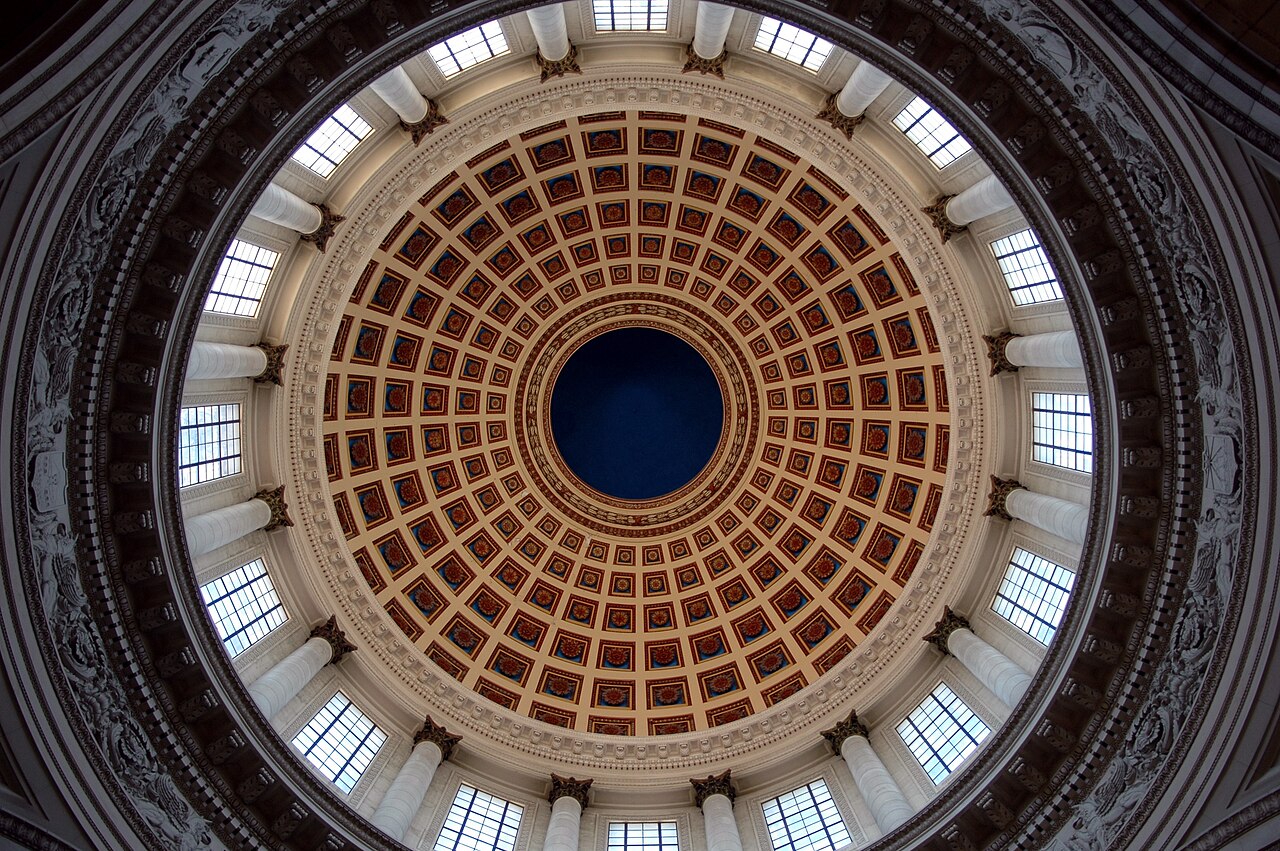
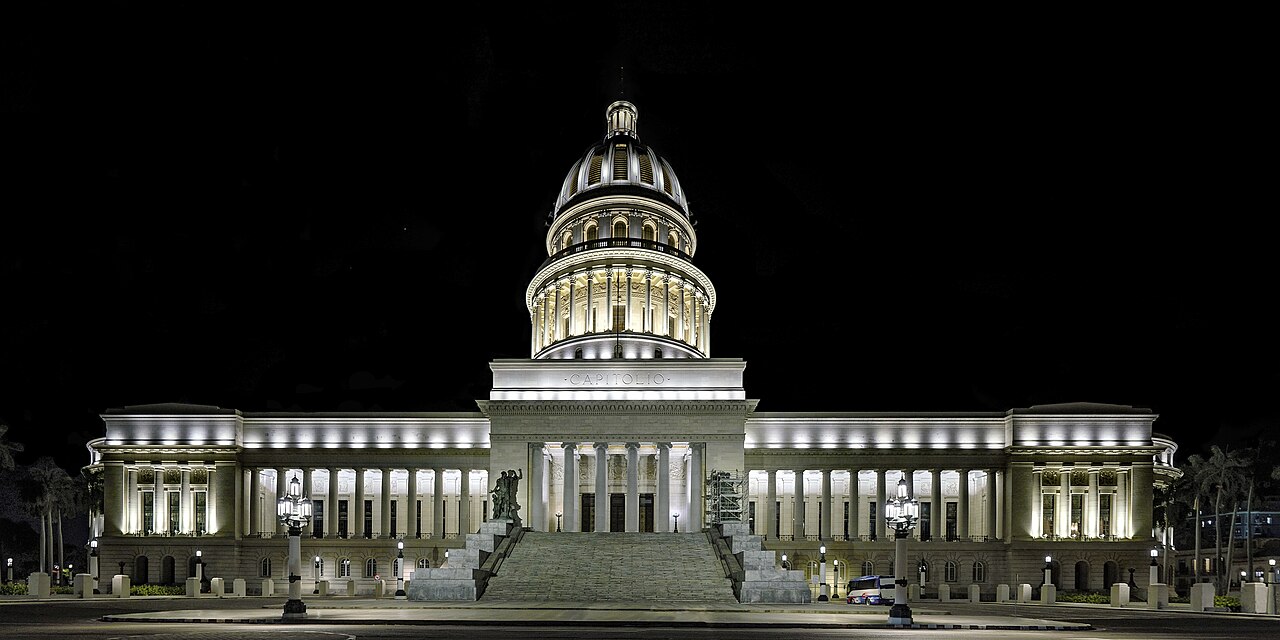
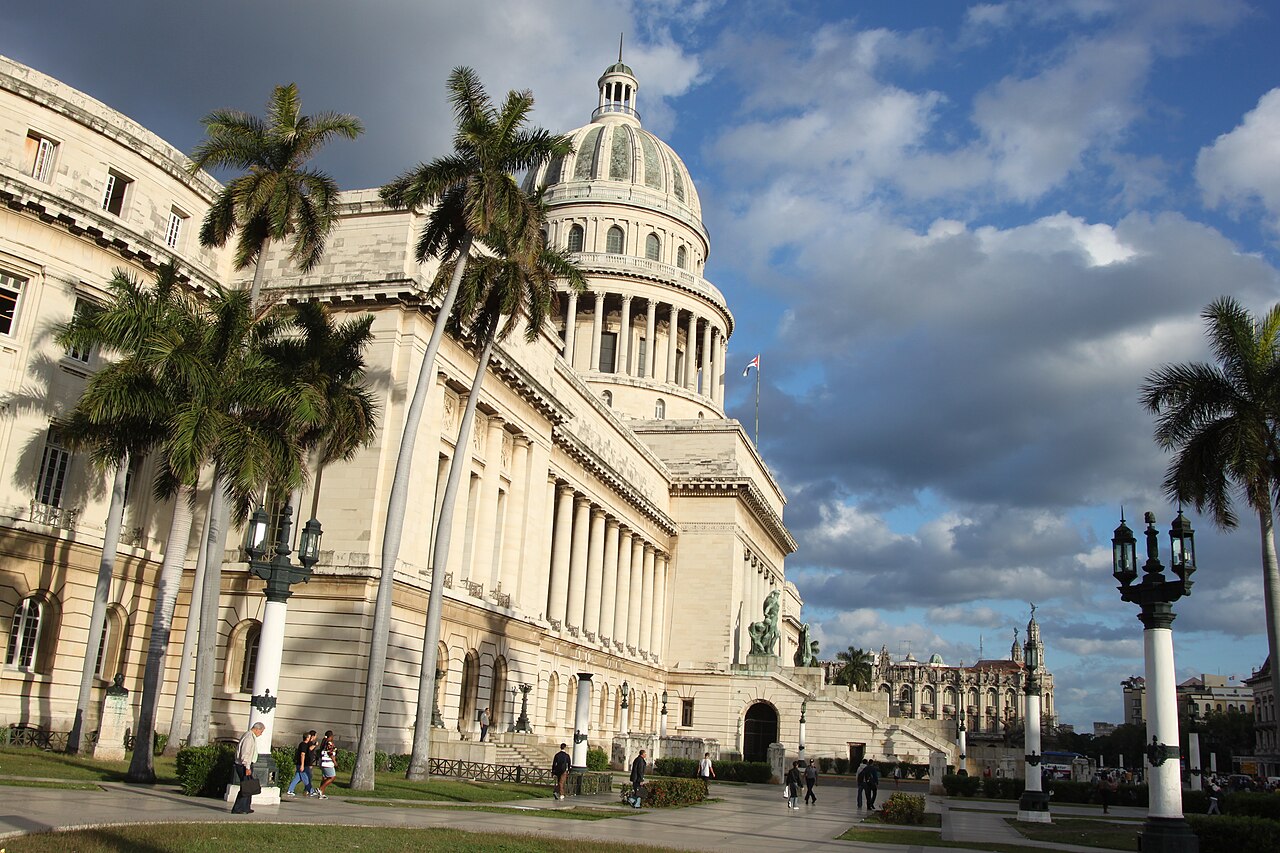
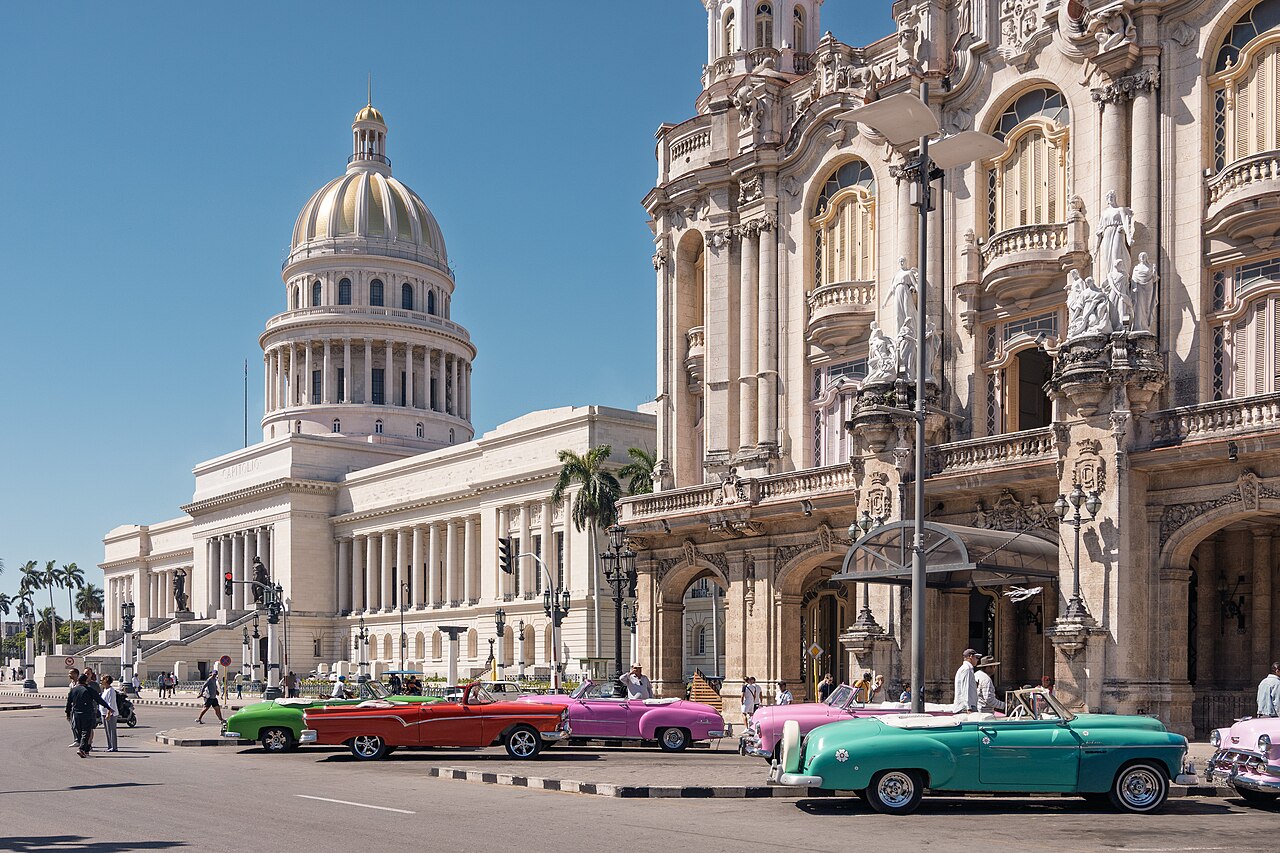
El Capitolio (the National Capitol) is Havana's monumental neoclassical capitol building, completed in 1929 under President Gerardo Machado. Its vast dome and gleaming white facade—often compared to the U.S. Capitol in Washington—make it one of the city's defining landmarks. After a major 2013–2019 restoration it reopened for Havana's 500th anniversary in 2019 and once again serves as the seat of Cuba's National Assembly, while remaining open to the public via official guided tours. Sitting where Old Havana meets Centro Habana beside Parque Central, it's a natural starting point for exploring the old town on foot.
The roughly 90 m dome, which was the tallest structure in Havana until the FOCSA building rose in 1956.
The gold-leaf bronze Statue of the Republic in the Hall of the Lost Steps (Salón de los Pasos Perdidos)—one of the largest indoor statues in the world.
The 25-carat diamond set into the floor beneath the dome (now a replica), marking Kilometer Zero for road distances across Cuba.
The bronze entrance doors reliefs of Cuban history and the ornate marble-and-brass interior, including the former Senate and House chambers.
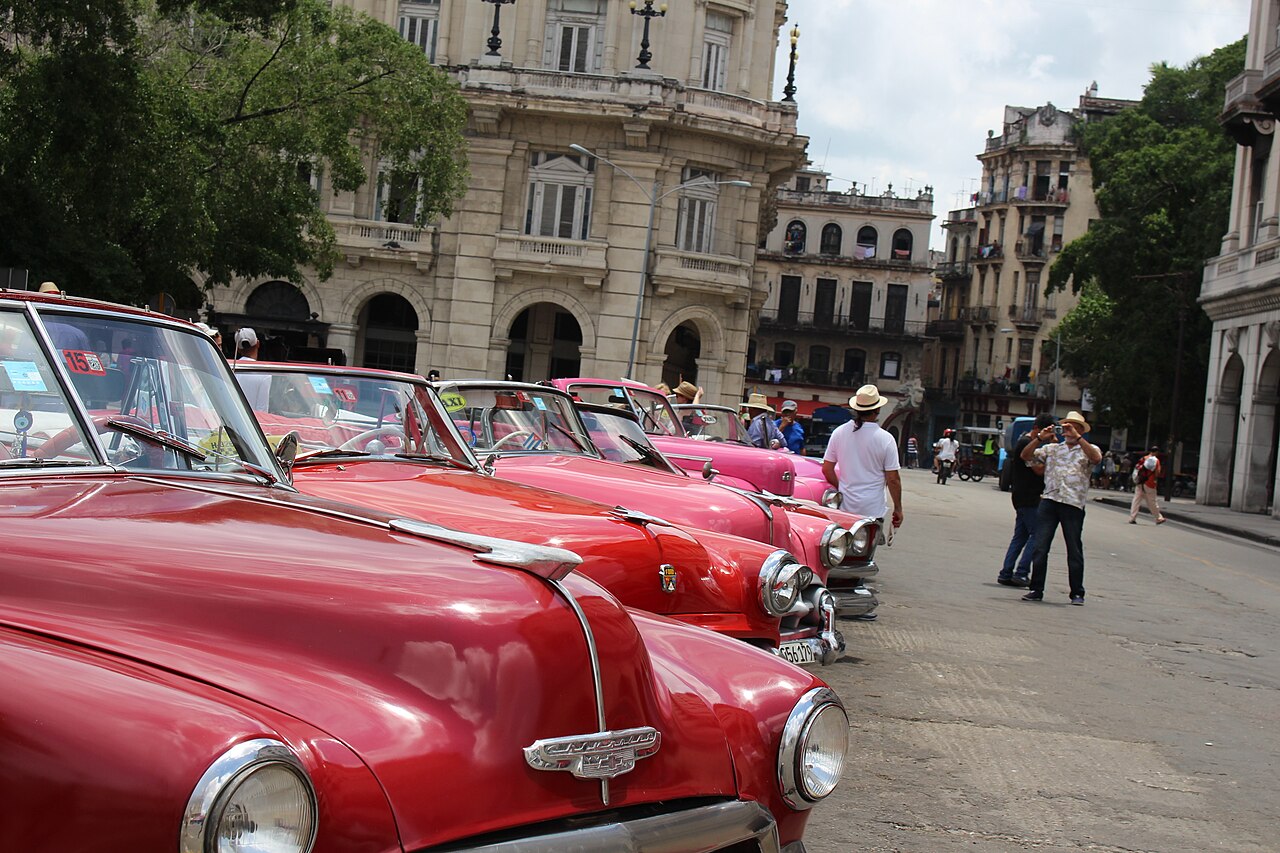
The sweeping view over Old Havana from the front steps and colonnade, framed by the classic American cars lined up outside.
Good to know
RulesThe interior can only be visited on an official guided tour, and admission (around US$20) is paid in cash. Book a day or two ahead in high season; because it is a working parliament, opening days and hours can change, so always confirm the latest price and schedule before you go.
CautionU.S.-issued credit and debit cards effectively do not work in Cuba, so bring enough U.S. dollars or euros in cash. Avoid informal street money-changers, who risk scams and counterfeit notes—exchange at official CADECA offices or through a trusted casa/hotel instead.
CautionTouts (jineteros) around Parque Central and the Capitolio often push cigars, rum, or 'free guiding.' Classic cars and taxis have no meters, so always agree the fare before getting in (Old Havana–Vedado runs about US$10–15).
SafetyThe area is generally safe, but watch for pickpockets in crowded tourist spots. Cuba has had frequent nationwide power outages since 2024 that can knock out lighting, elevators, and card payments—carry small cash and a compact flashlight, and avoid unlit side streets after dark.
SeasonJuly is hot, humid, and prone to sudden showers, and June–November is hurricane season. Bring water, a hat, and sunscreen, and pack a light rain jacket or umbrella for afternoon downpours.
MannersAs an active seat of the National Assembly, neat attire is appropriate (skip tank tops, very short shorts, and flip-flops); photography may be restricted in some interior areas, so follow your guide. A tip of around 10% for guides and service is customary.
Practical info
The Capitolio stands right beside Parque Central and Parque de la Fraternidad, so it is easy to reach on foot, and classic taxis and buses stop nearby. It generally opens from mid-morning (around 10:30) into the evening, but closing times vary between sources and depend on the parliament's schedule, so confirm tickets, hours, and price locally for the latest information before visiting.
On-site reviews📍 Verified on-site
No reviews yet. If you are here, be the first to leave one.