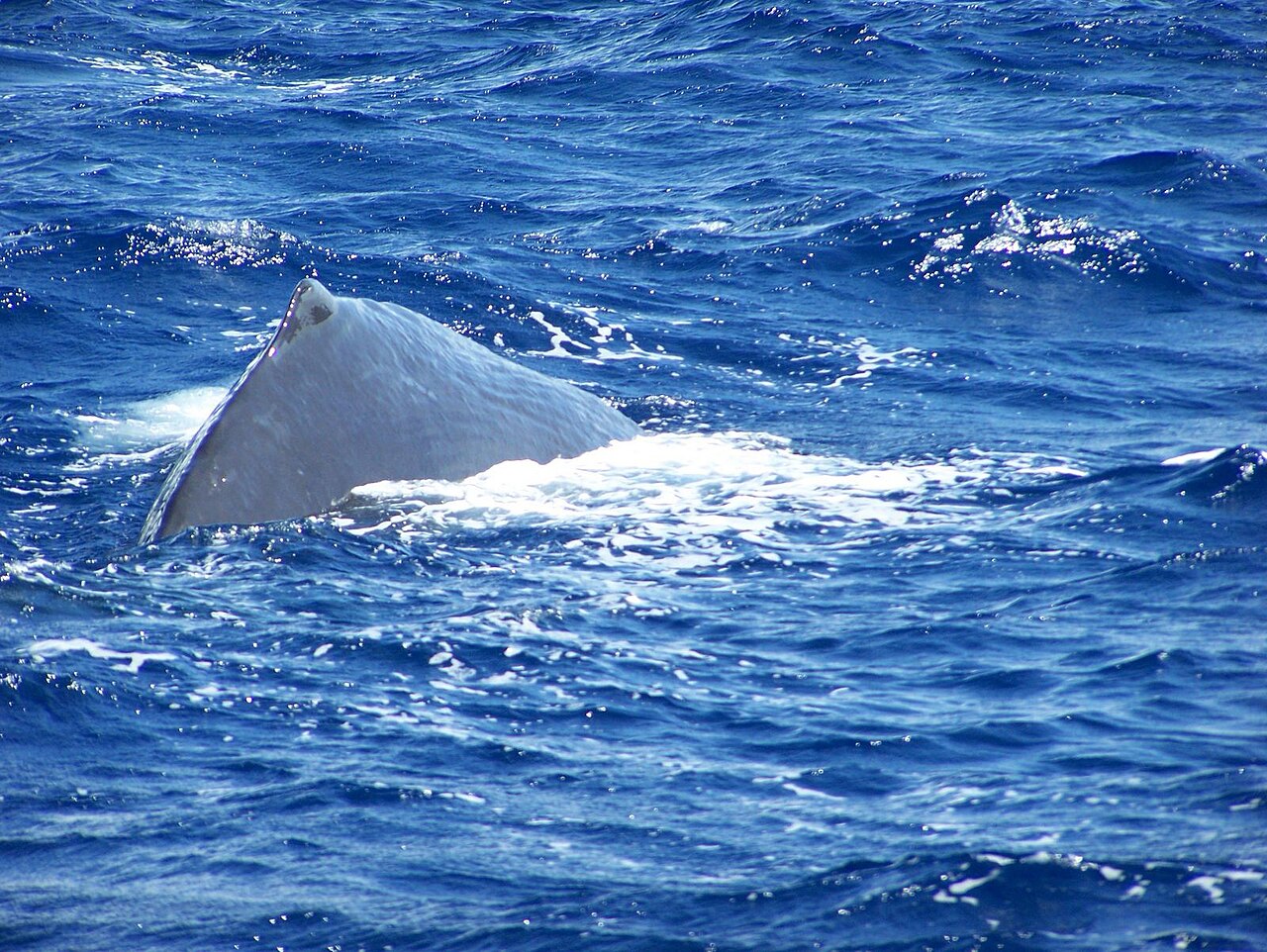
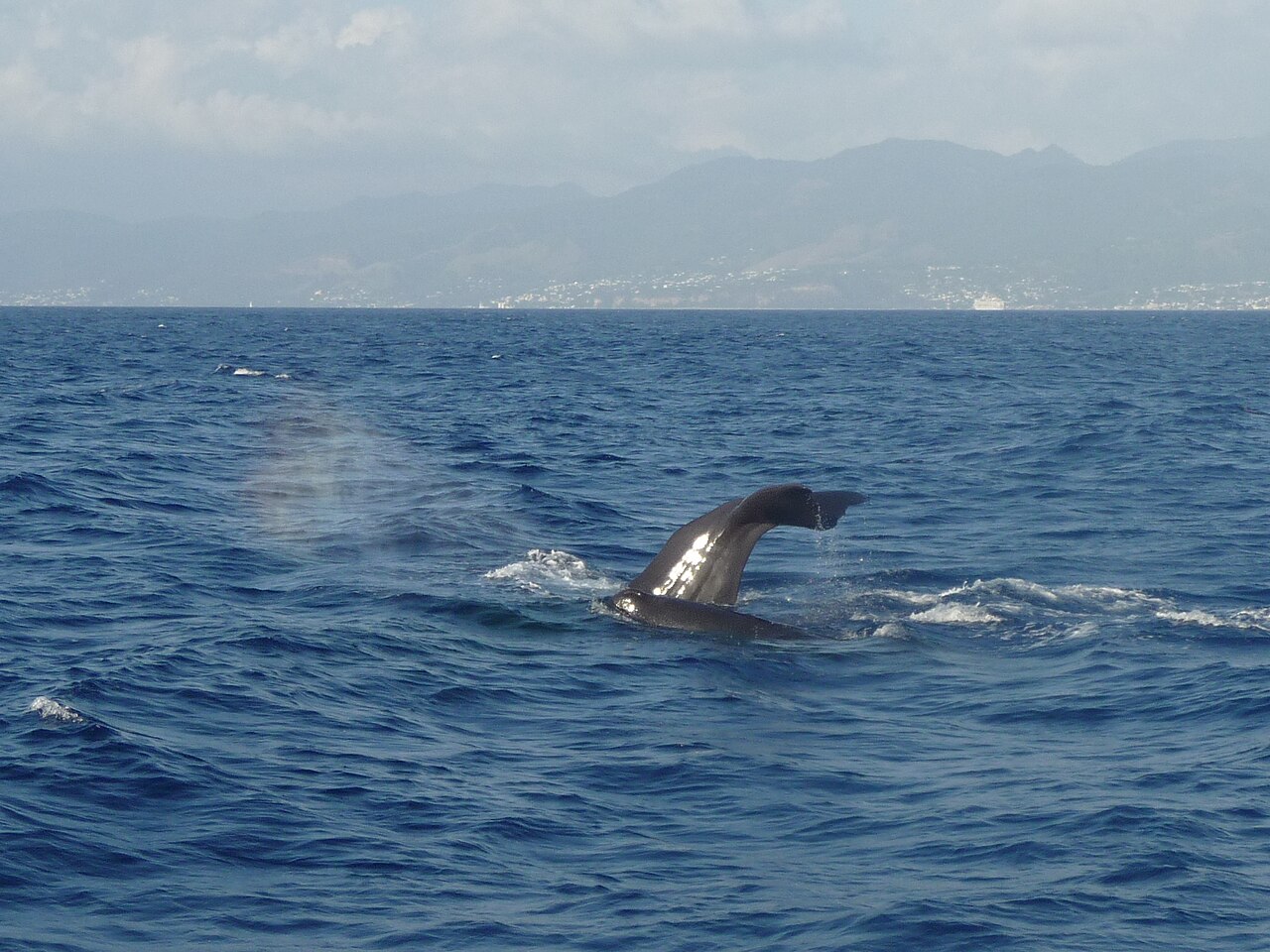
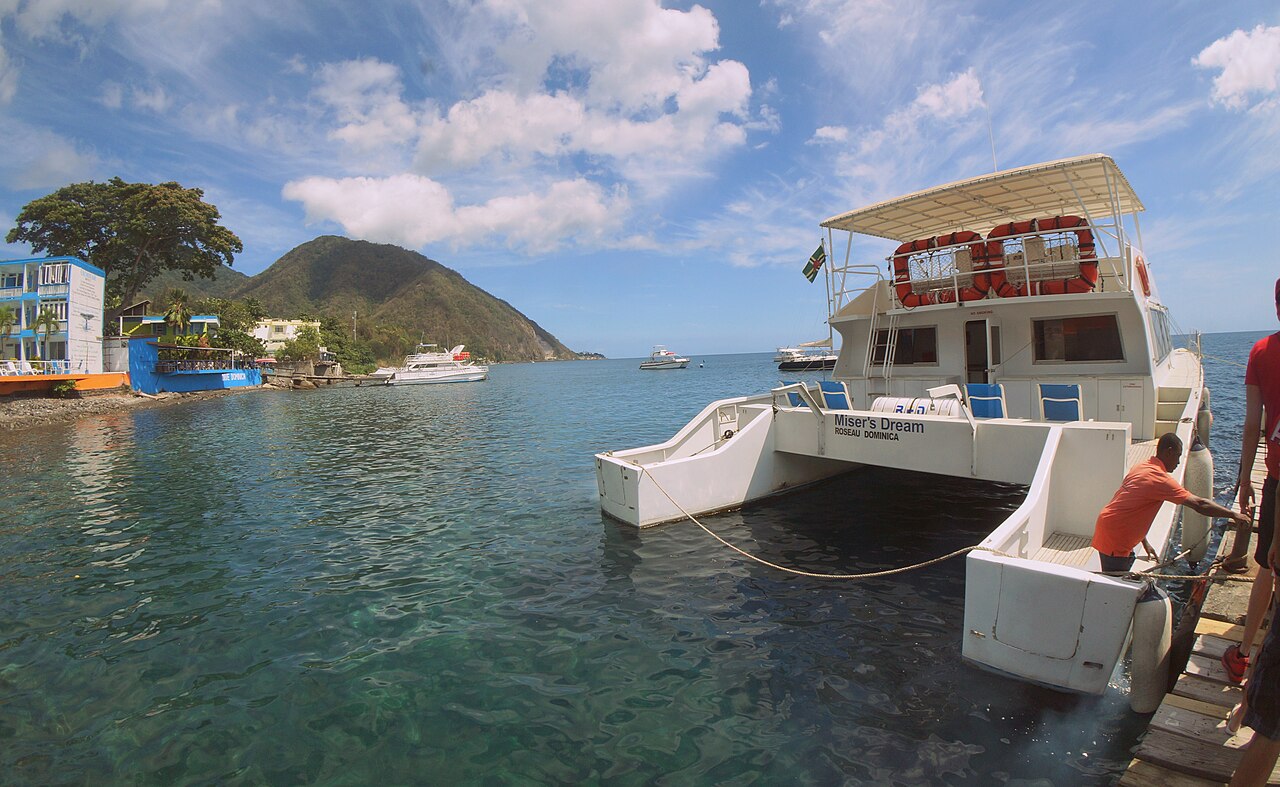
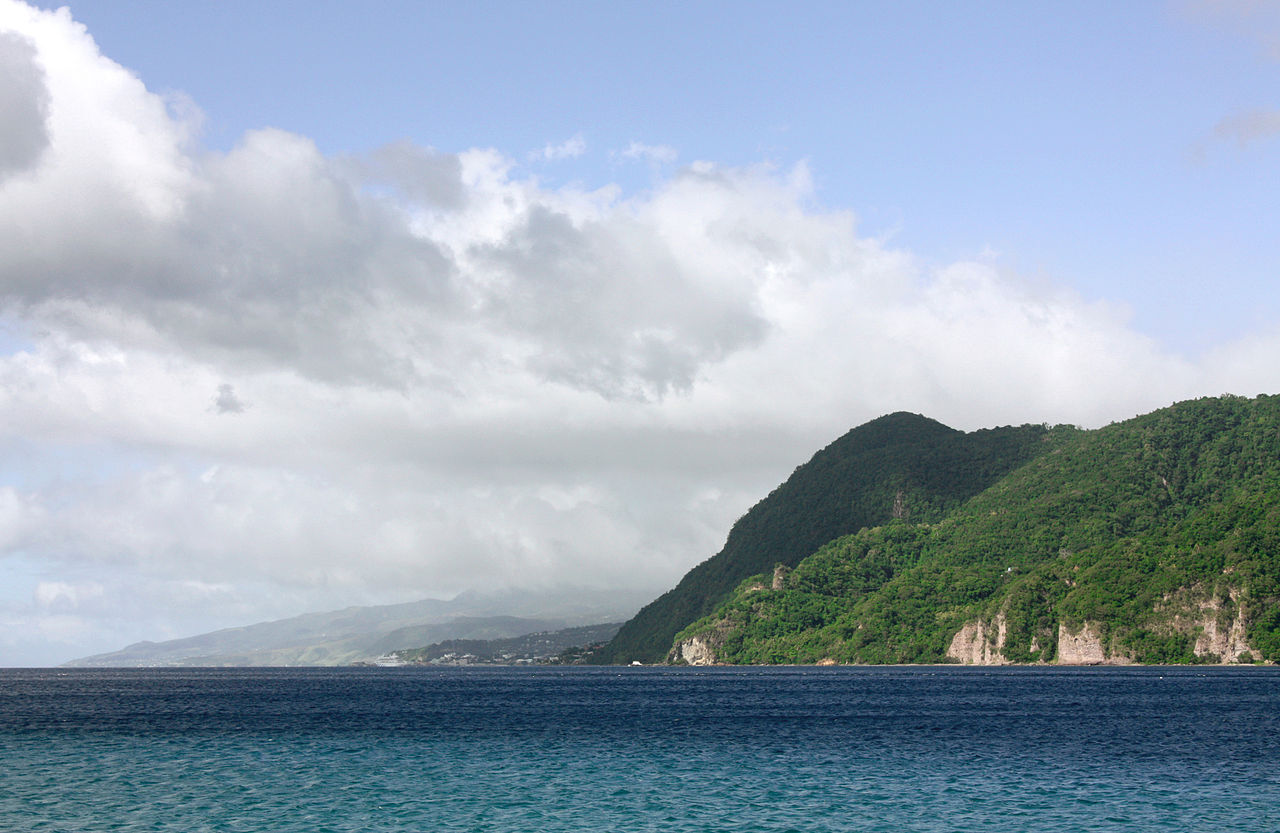
Off Dominica's west coast lives one of the few resident sperm whale populations in the world, and Dominica is effectively the only country where getting in the water with them is legal under a government permit. Inside the sperm whale reserve declared in November 2023 — roughly 788 km² of water off Roseau and Soufrière — scuba is not permitted, so every in-water encounter happens on a breath-hold. Water sits at 26–29°C year-round with visibility typically 20–30 m, dropping sharply after heavy rain flushes the island's rivers. Encounters happen at or just below the surface over water hundreds to thousands of metres deep, which makes surface safety, not depth, the real discipline here. As of 2026 only a small number of permitted operators run these trips, and rules — including limits on publishing footage — change from season to season.
Tracking codas on a hydrophone to find a group — the search itself fills 5–8 hours a day on the water
Whales 'logging': hanging vertically at the surface to rest, often with mothers and calves socialising nearby
January to March, when large mature males move through to breed and 15 m adults become a real possibility
Soufrière–Scott's Head Marine Reserve: a drowned volcanic crater with the Scott's Head drop-off wall
Champagne Reef's volcanic hot-spring bubbles — a common inshore fallback on days the whales don't show
Good to know
SafetyMost freediving deaths involve shallow water blackout or LMC. You cannot rescue yourself from a blackout, so a trained buddy watching you is the only real defence — and they must keep watching for at least 30 seconds after you surface. In open-ocean encounters the one-up-one-down discipline breaks down easily; assign roles before anyone enters the water.
SafetyYou are 6–12 nautical miles offshore over hundreds to thousands of metres of water. With no bottom, no line and no reference, distance is deceptive and swell and current separate you from the boat fast. Keep the vessel in sight at all times, stay clear of manoeuvring hulls and propellers, and carry high-visibility gear and a whistle.
SafetyAn adult sperm whale is a 15 m animal. Never position yourself in front of the head, inside the arc of the fluke, or across its line of travel, and never approach a calf or a nursing mother. Follow the guide's entry and exit signals immediately, every time.
RulesIn-water encounters require a government permit from the Fisheries Division, issued to a handful of operators only (the 2026 season permit has been reported around US$6,000, but fees and terms change). Scuba is banned; typical conditions are three swimmers plus one guide in the water, encounters capped at about 10 minutes, no touching, and restrictions on publishing footage of people and whales together. Entering the water without a permitted operator is illegal.
MannersNo chasing, no dropping down on top of a whale, no pressuring an animal that is moving away. Quiet entries and passive observation are both the rule and the etiquette — let the whale close the distance. These are also working fishing grounds, so give nets, lines and local boats a wide berth.
SeasonOperators generally run November through June and pause from late June to October for hurricane season; seas are steadiest November to March. Encounters are never guaranteed — operators quote roughly a 50–60% chance on any given day. Long hours on a boat mean seasickness, dehydration and sun exposure are the injuries you are most likely to actually get.
CautionUnlicensed boats do offer 'whale swims' to walk-up tourists. These trips are illegal, uninsured and can get you removed from the water on the spot. Before paying, confirm the operator's permit status, insurance, deposit size and refund terms in writing.
Practical info
Fly into Douglas–Charles Airport (DOM) — nonstops from Miami and Newark, or connect via Antigua, Barbados or San Juan — with ferries to Roseau from Guadeloupe, Martinique and St Lucia as an alternative; Soufrière is about 90 minutes by road from the airport. Whale swims are booked months ahead through a permitted operator; no freediving certification is required, but you must be able to swim 100 m unaided in open water, board the boat unassisted, and carry your own travel insurance. Permit costs, group limits and season dates shift year to year, so confirm current terms with the operator and Fisheries Division before booking.
On-site reviews📍 Verified on-site
No reviews yet. If you are here, be the first to leave one.