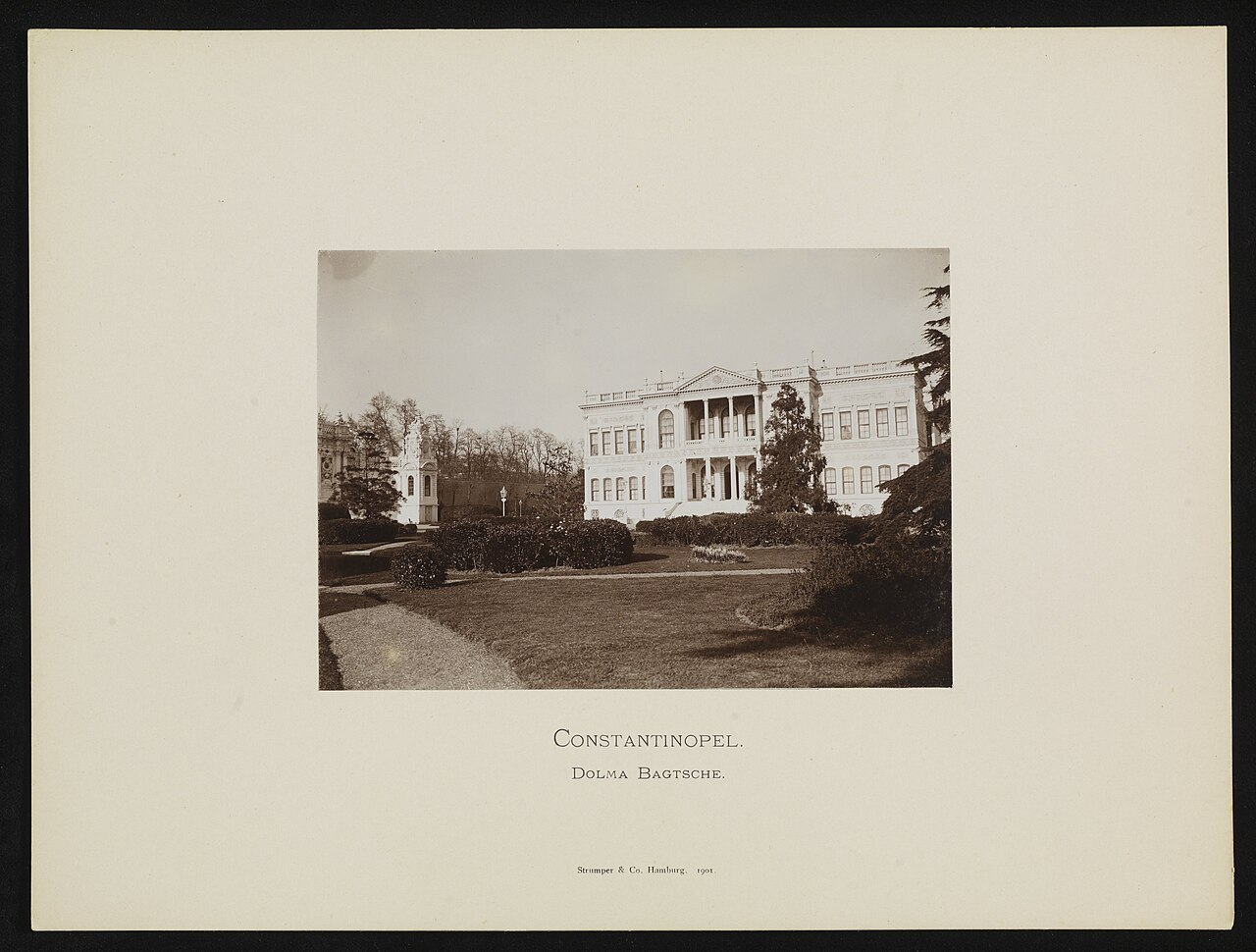
Dolmabahce Palace stands on the European shore of the Bosphorus in Beşiktaş, Istanbul, and served as the main administrative center of the late Ottoman Empire after Sultan Abdülmecid I built it between 1843 and 1856 to replace the older Topkapı Palace. Designed by the Balyan family in a lavish blend of Baroque, Rococo and Neoclassical styles, it is famous for its 285 rooms, one of the world's largest crystal chandeliers (about 4.5 tons), and a grand staircase with Baccarat and Bohemian crystal balusters; it is also where Mustafa Kemal Atatürk, founder of the Turkish Republic, died in 1938. As of 2026 it is run by the Directorate of National Palaces (Milli Saraylar), with the Selamlık, Harem and Painting Museum open along a set visitor route, making it an essential Istanbul stop that blends Ottoman opulence with modern history.
The Ceremonial (Muayede) Hall, crowned by a colossal crystal chandelier of about 4.5 tons hanging from the domed ceiling (said to be a gift from Britain's Queen Victoria)
The Crystal Staircase, whose balusters are made of Baccarat and Bohemian crystal — the palace's signature feature
Atatürk's room (No. 71), where he died on 10 November 1938 at 09:05, with clocks stopped in his memory
Opulent reception rooms and ballrooms of the Selamlık and Harem, with gilded ceilings and a collection of European-style paintings and murals
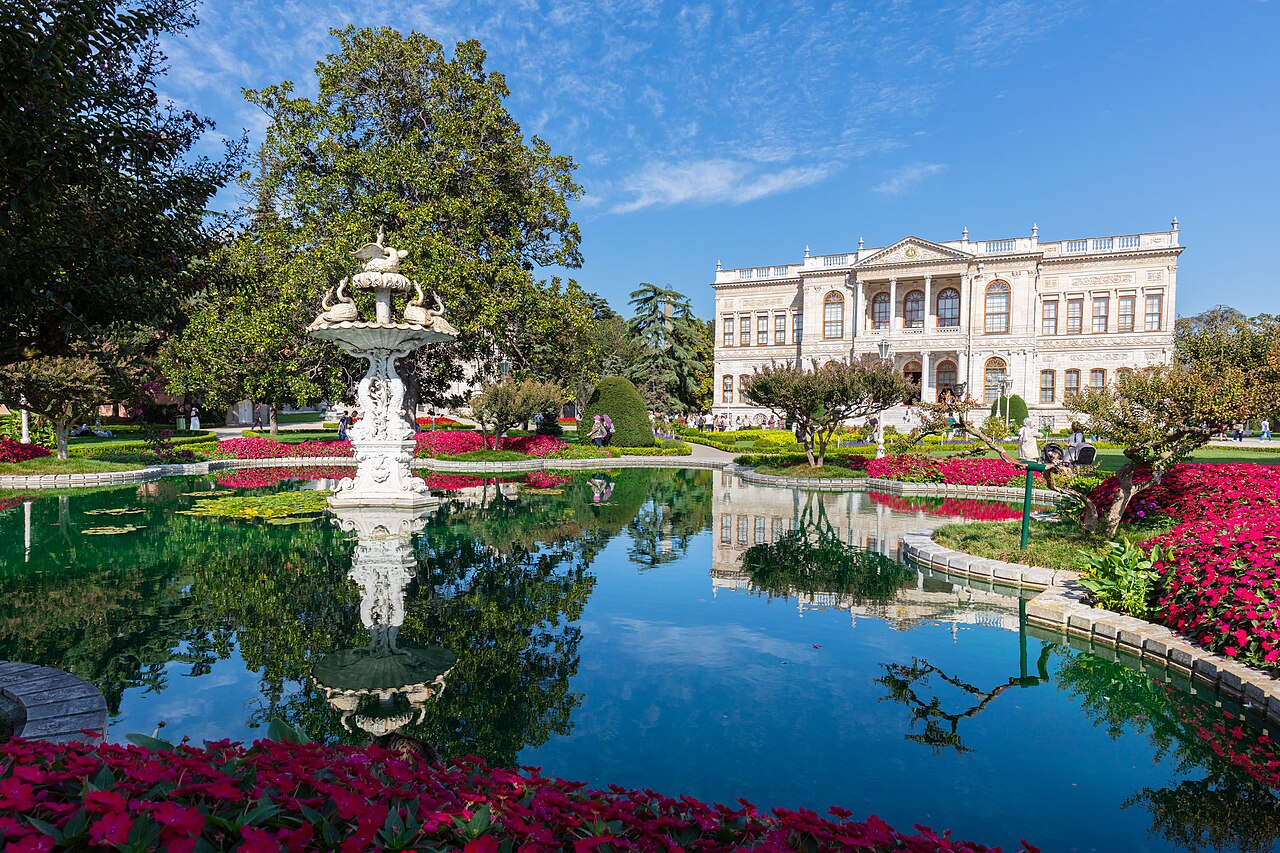
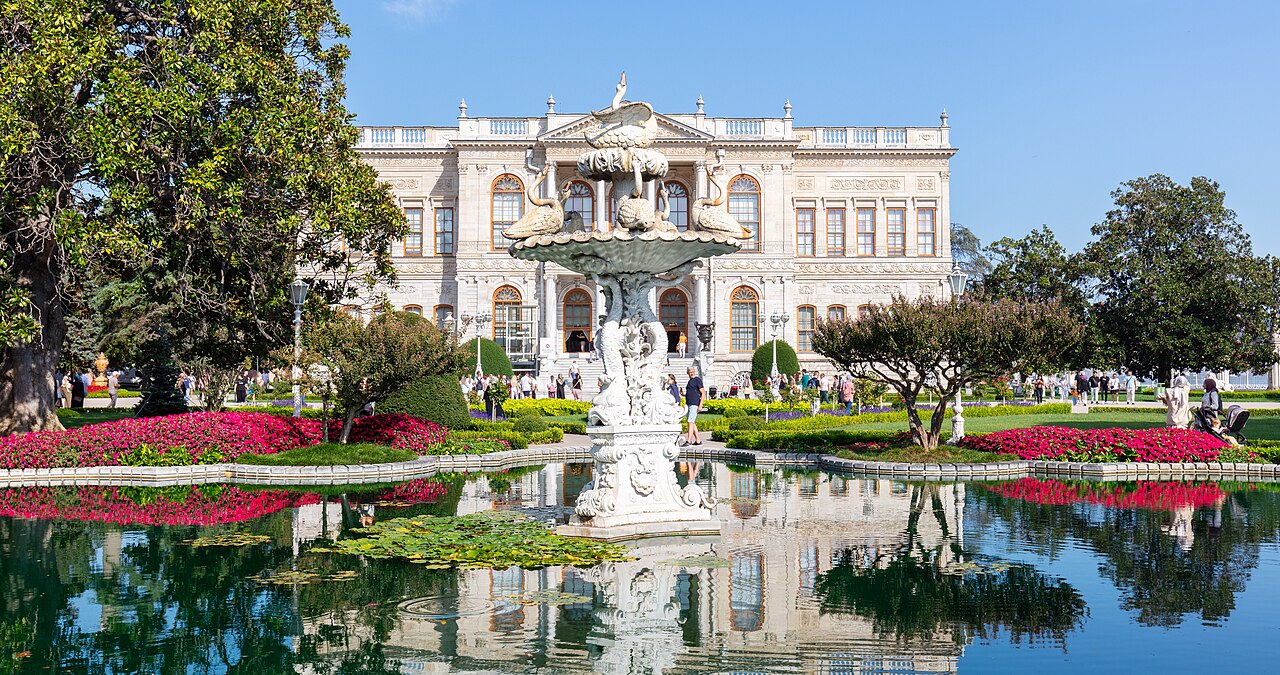
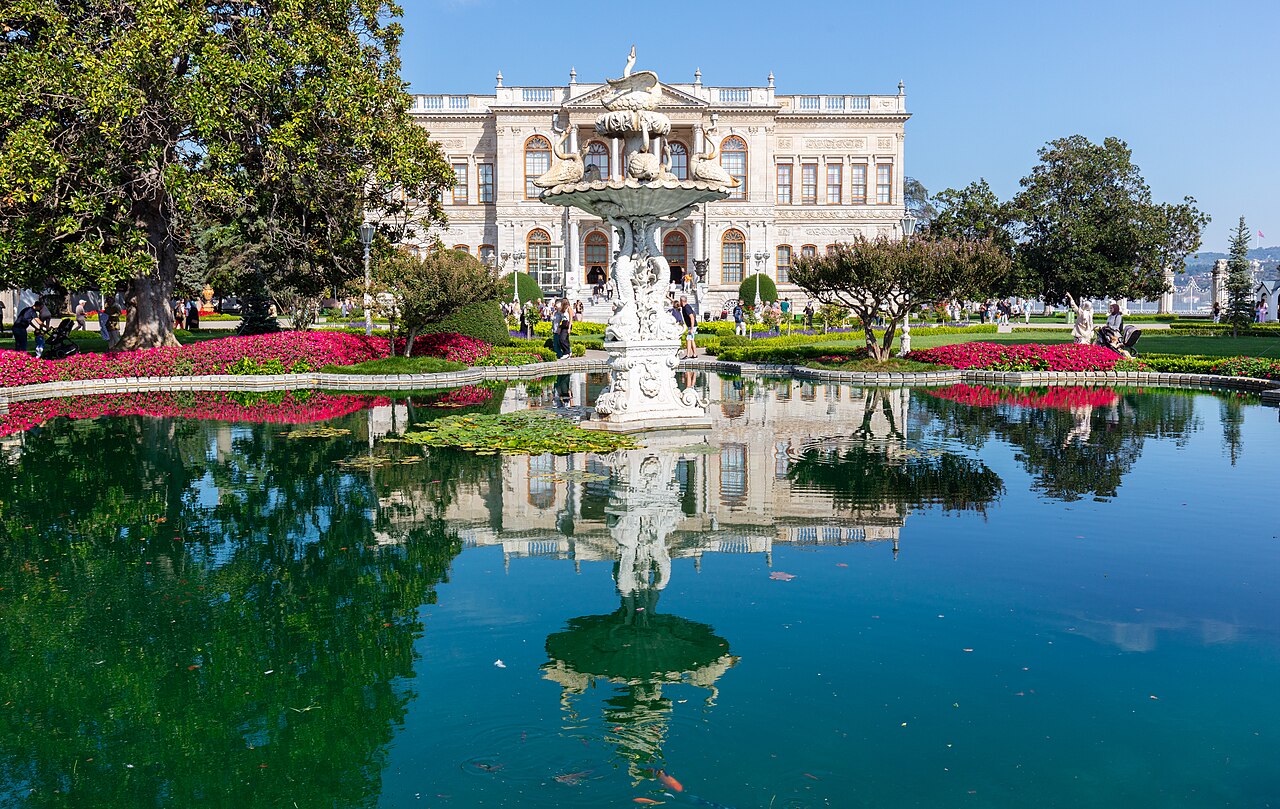
The gardens and the Clock Tower (1890, about 27 m), plus the ornate waterfront gates facing the Bosphorus
Good to know
RulesClosed every Monday; visiting hours are 09:00–17:00 with the ticket office closing around 16:00. Foreign visitors can buy an e-ticket (QR) in advance on the official Directorate of National Palaces site (millisaraylar.gov.tr) to skip the on-site queue. Always confirm the latest prices, hours and closures on the official site before booking.
RulesPhotography inside the main palace buildings is generally restricted (no flash or tripods, and some rooms are off-limits for photos entirely), and you follow a fixed guided route. Large backpacks and luggage may not be allowed inside, so travel light. Note that the Museum Card (Müzekart) is valid for the Harem only, not the Selamlık.
MannersAs a national historic site, avoid overly revealing clothing, keep your voice down indoors, and do not touch the furniture or exhibits. Stay on the marked route and follow staff instructions rather than crossing barriers.
CautionBe wary of touts near the palace, Kabataş and Beşiktaş posing as 'official guides' or offering to buy tickets for you, shoe-shine tricks, and taxis that won't run the meter. Buy tickets only at the official on-site booth or on millisaraylar.gov.tr.
SafetyWatch for pickpockets in crowded spots such as the tram, ferries and the palace entrance — carry bags in front. In summer the outdoor wait can be hot, so bring water, a hat and sunscreen; in winter, dress warmly against the cold Bosphorus wind.
SeasonIn the June–August peak season it is quietest right at opening, while midday brings long lines and heat. Spring and autumn are the most comfortable; summer afternoons, weekends and public holidays get very crowded.
Practical info
The palace is closest to Kabataş, the T1 tram terminus that also connects to the F1 funicular from Taksim, and is within walking distance of the Beşiktaş ferry pier and city buses; use an İstanbulkart for public transport. Hours are 09:00–17:00 (closed Mondays, ticket office closing around 16:00), and foreign visitors can conveniently buy the combined ticket (Selamlık + Harem + Painting Museum) as an e-ticket on the official site. Confirm current prices, hours and closures on the official site before visiting.
On-site reviews📍 Verified on-site
No reviews yet. If you are here, be the first to leave one.