Dartmoor National Park is a vast granite moorland in Devon, south-west England, spread between the cities of Exeter and Plymouth. It is famous for its wild, weather-beaten uplands, rocky hilltop outcrops known as 'tors', ancient moss-draped oak woodland, thousands of Bronze Age remains, and the semi-wild Dartmoor ponies, all threaded by some 450 miles of paths. In May 2025 the UK Supreme Court confirmed the public's right to wild (backpack) camp on the Dartmoor Commons, making it the only place in England where camping in open country without the landowner's permission is legal. Like other British national parks it is a lived-in working landscape with no gates, opening hours or entry fee, so visitors are free to roam as long as they respect the weather and the rules.
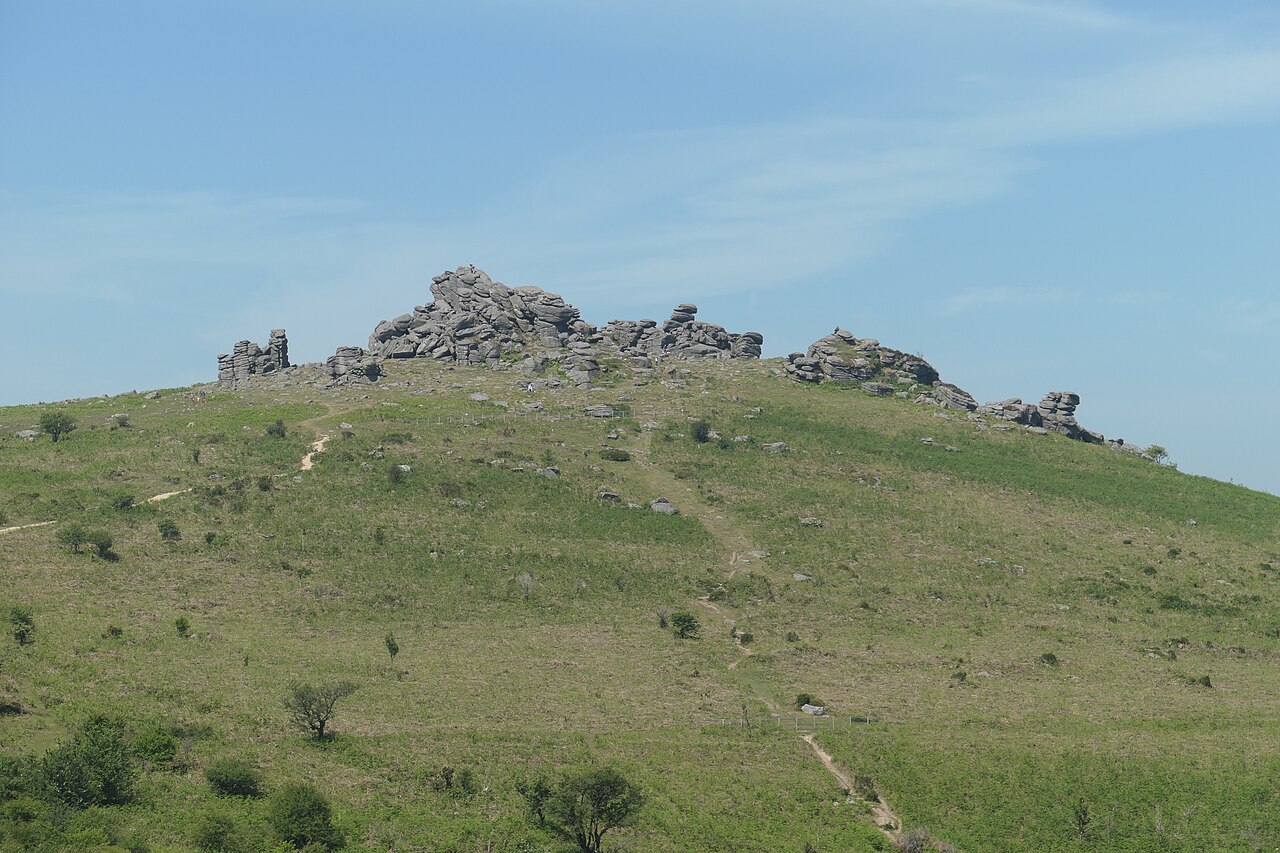
Haytor - the most accessible and most photographed tor, with sweeping moorland views from the summit and pay-and-display parking beside the B3387 near the visitor centre.
Wistman's Wood - an otherworldly ancient oak wood near Two Bridges, its stunted trees smothered in moss and lichen; visitors are asked to stay on the perimeter paths and not enter to protect it.
Hound Tor and its deserted medieval village - a dramatic granite outcrop linked to the legend behind 'The Hound of the Baskervilles', with the ruins of an abandoned village just below.
Postbridge Clapper Bridge - a medieval stone-slab bridge in the heart of the moor, one of the finest surviving examples in the country.
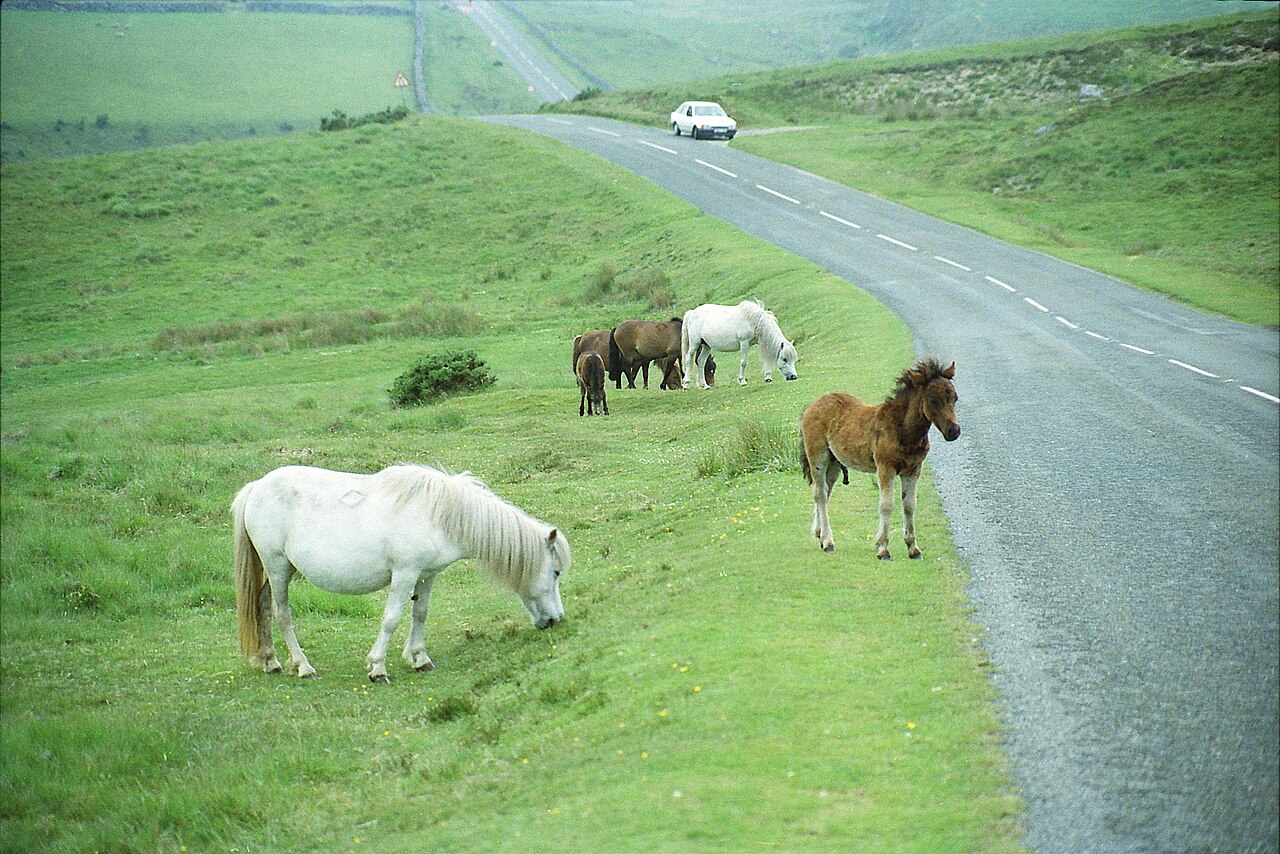
Dartmoor ponies and dark skies - free-roaming ponies grazing beside the roads and moorland, plus some of England's least light-polluted skies for stargazing.
Good to know
SafetyDartmoor's weather is notoriously changeable; fog, rain and wind can close in fast even in summer and strip away all visibility. Always check the forecast before setting off and carry waterproofs, warm layers, sturdy boots and a map (offline maps too) - signposts are few and it is easy to get lost.
RulesThe north of the park contains three military live-firing ranges (Okehampton, Merrivale, Willsworthy). A red flag by day or red lamps by night means firing is in progress - never cross the red-and-white boundary posts. Check the schedule beforehand at GOV.UK 'Dartmoor firing times' or call 0800 458 4868.
RulesWild camping is legal but regulated: only lightweight backpack camping is allowed, for a maximum of two consecutive nights in one spot, with no fires and a strict leave-no-trace policy. Check the National Park Authority's wild camping map for permitted areas.
MannersThe mosses and lichens in Wistman's Wood are slow-growing and protected - stay on the paths, don't walk into the wood or scramble over the boulders. Never feed or touch the ponies, cattle or sheep; watch from a distance and give cows with calves a very wide berth.
SeasonMany bus routes run only in the summer season - the 271 Haytor Hoppa (Thu and Sat, roughly late May to mid-September) and the 171 'transmoor' (from late July to mid-September) - while winter public transport is sparse, so a car is often needed. Timetables change yearly, so always check the latest.
SafetyDriving at night or in bad weather is hazardous: dark ponies are hard to see on unlit moorland roads and foals can bolt across without warning, so drive well below the 40 mph limit. At remote car parks, don't leave valuables visible in the car.
Practical info
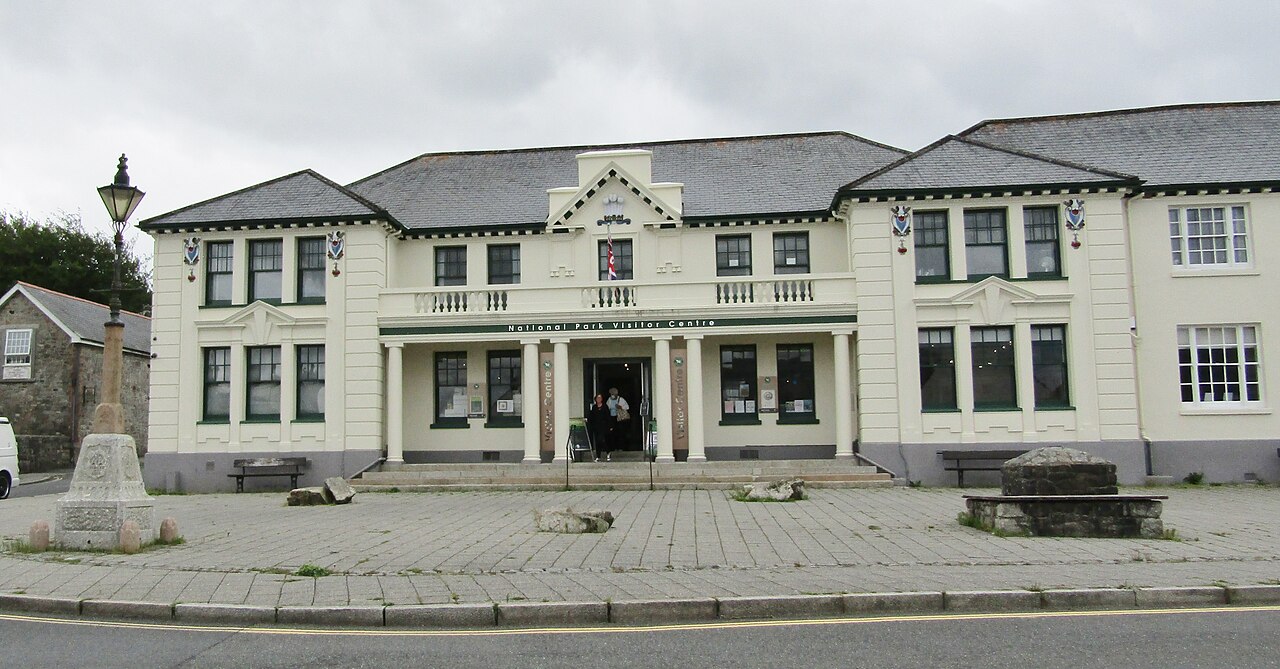
The nearest railway stations are Exeter, Newton Abbot, Totnes, Ivybridge and Plymouth; the Dartmoor Line runs trains roughly every two hours (seven days a week) from Exeter to Okehampton, and a new Okehampton Parkway station is due to open in summer 2026. As a national park there is no entry fee or opening time, popular sites have pay-and-display parking, and there are visitor centres at Postbridge and Haytor. Bus routes and seasons, train times and parking charges vary through the year, so check the latest details on the official site before you go.
On-site reviews📍 Verified on-site
No reviews yet. If you are here, be the first to leave one.