Cueva del Indio (Indian Cave) is a limestone cave in the Viñales Valley of western Cuba, a UNESCO World Heritage Site since 1999, about 5.5 km north of Viñales town near San Vicente. Discovered in 1920 by a farmer named Juan Díaz, it was used by pre-Columbian indigenous people (the Guanahatabey) as a shelter and burial place, and is known for the rock paintings on its walls and its stalactite formations. Its signature experience is a short walk through the cavern followed by a motorized boat ride out along the underground San Vicente River. As of 2026 Cuba is coping with an economic crisis of fuel shortages and blackouts, so a visit is possible but you should plan cash, transport and timing generously.
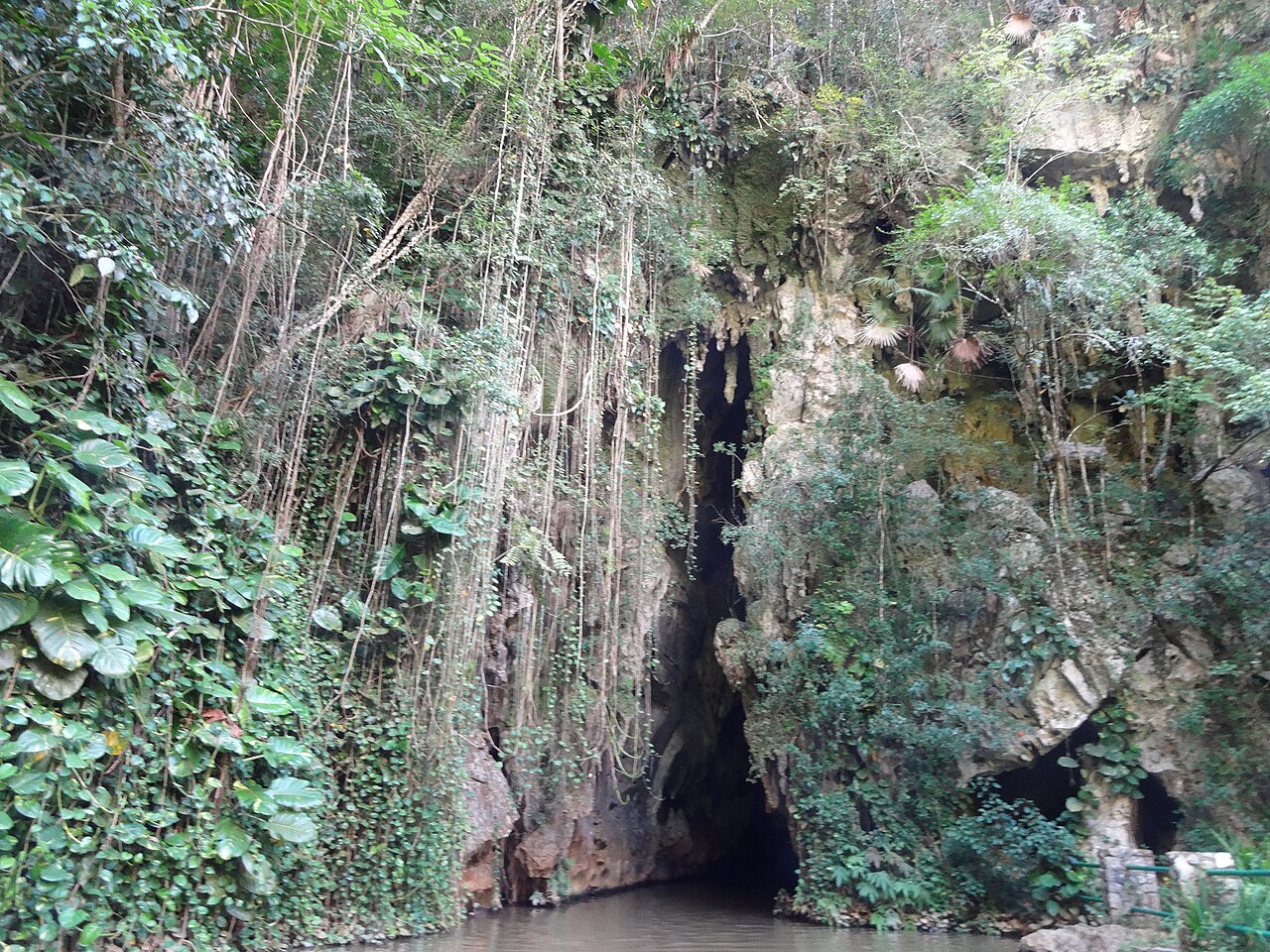
The roughly 400 m motorboat ride (about a 10-seat boat) along the underground San Vicente River, ending as you emerge into the green valley
Rock paintings and traces of pre-Columbian indigenous shelter and burial
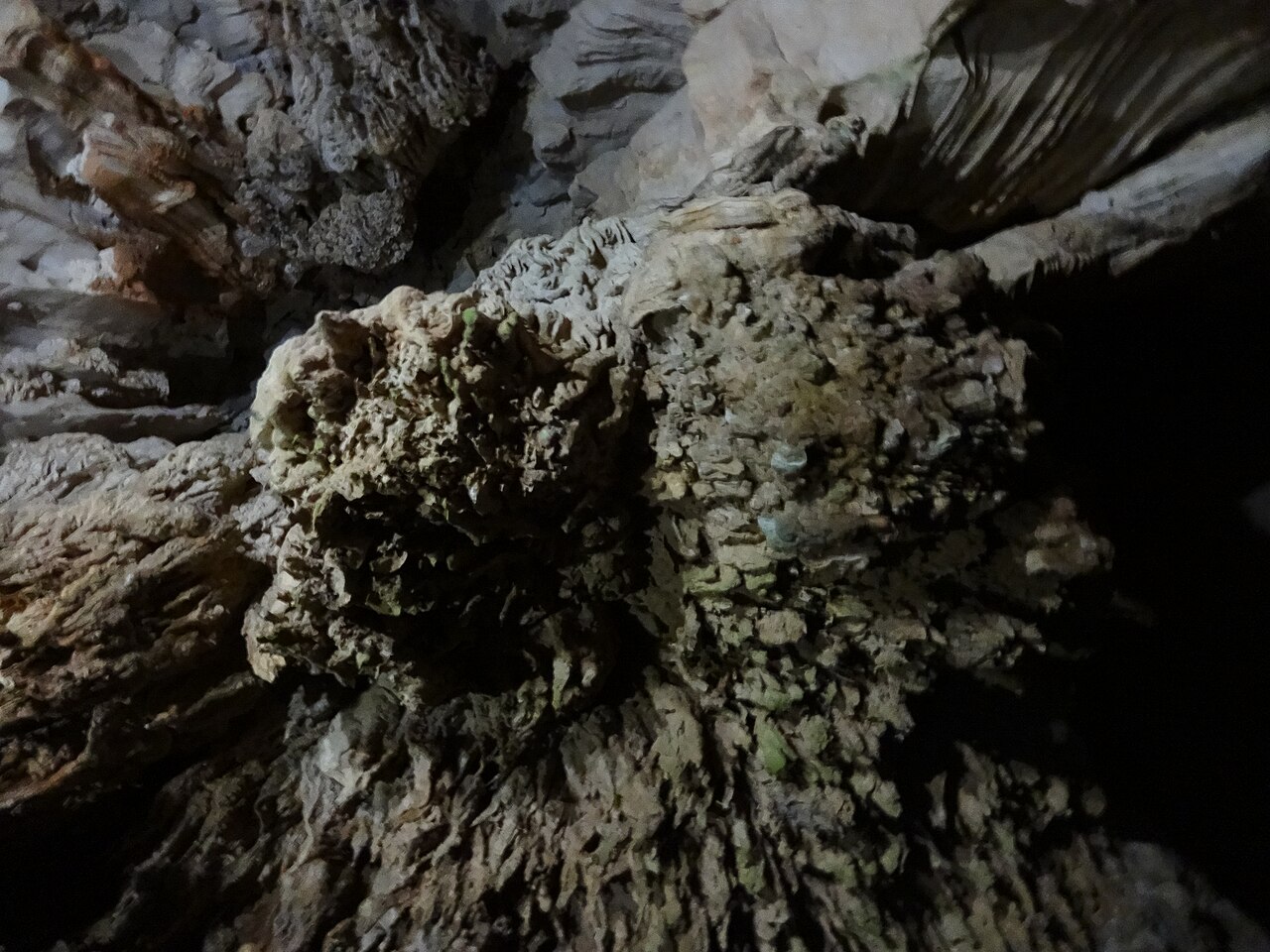
Illuminated stalactites, stalagmites and karst formations inside the cave
The walking section before the boat, with dramatic rock formations and low ceilings
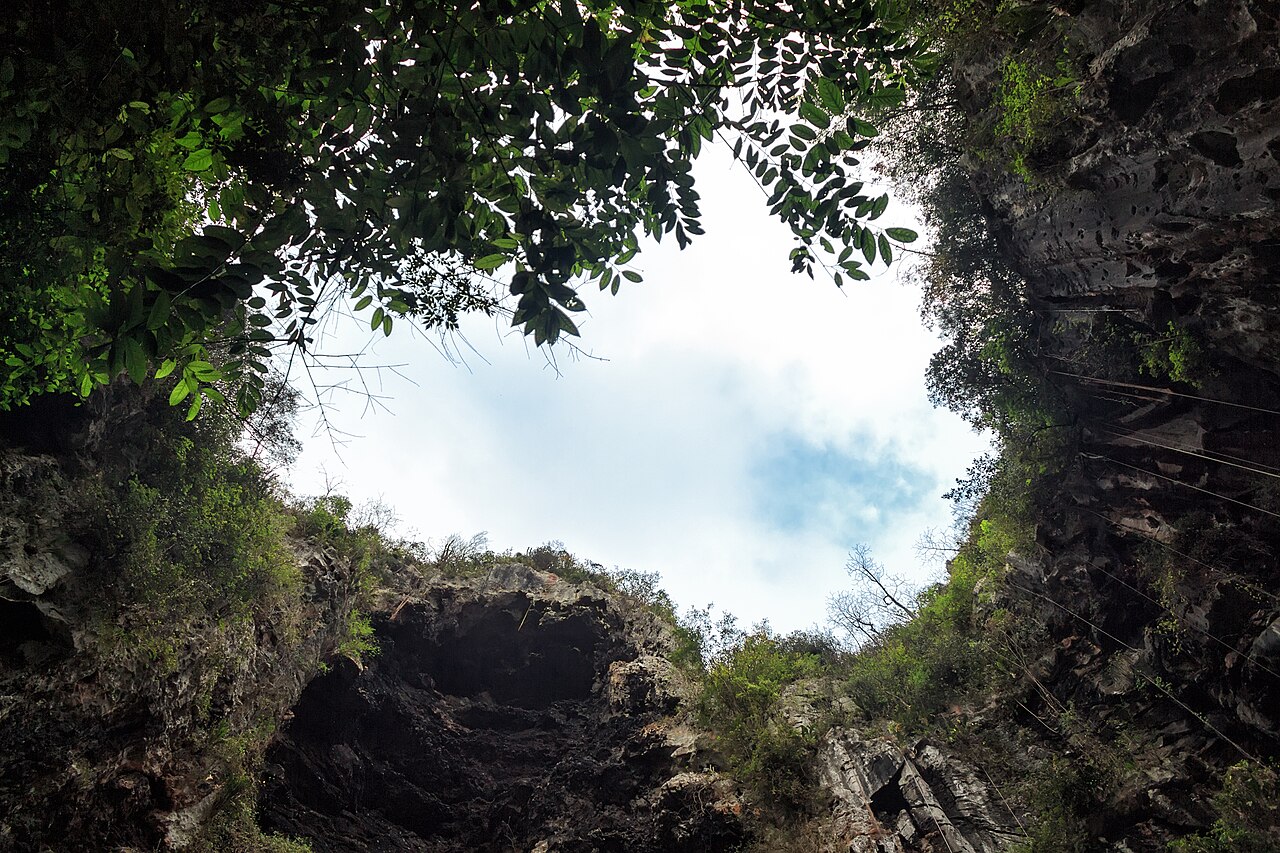
Cave wildlife such as bats and small fish, and the surrounding mogotes (limestone hills)
Good to know
SafetySince June 2026 foreign-issued Visa/Mastercard payments have been suspended in Cuba, so foreign cards rarely work. Carry enough physical cash (USD or EUR) for admission, the boat, tips and transport, and bring small denominations.
SafetyInside the cave expect wet rock, steps, low ceilings and slippery floors. Wear non-slip shoes, hold the handrails, and take care boarding and leaving the small boat.
SeasonMay–October is the rainy and hurricane season: hot and humid. The cave is cool inside, so bring a light layer, and pack insect repellent for mosquitoes near dusk. The dry season (Nov–Apr) is the easier time to visit.
RulesThe cave generally opens daily from about 8–9 a.m. to 5 p.m., and the boat ride is usually included in the ticket. Prices and hours change often, so confirm the latest details locally.
MannersA small tip for the guide and boatman is customary. Do not touch the rock paintings or formations, and be respectful of the indigenous site and other visitors when taking photos.
CautionAround Viñales and the attractions, touts (jineteros) push "tours," taxis and money changing. Always agree a price before you get into a taxi, boat or tour, and change money only at official CADECA bureaus or trusted places to avoid street-exchange scams.
SafetyThe 2026 fuel crisis brings frequent blackouts and transport disruptions. Arrange your round-trip transport (taxi, colectivo or tour bus) in advance and start early in the day.
Practical info
The cave lies about 5.5 km north of Viñales town toward San Vicente and can be reached by taxi or colectivo, the valley tourist bus, or by bicycle, horseback or vintage-car tour; it generally opens daily from roughly 8–9 a.m. to 5 p.m. A small admission fee usually includes the boat ride, but fees and hours change frequently, so confirm the latest information locally and carry cash (foreign cards are hard to use in Cuba as of 2026).
On-site reviews📍 Verified on-site
No reviews yet. If you are here, be the first to leave one.