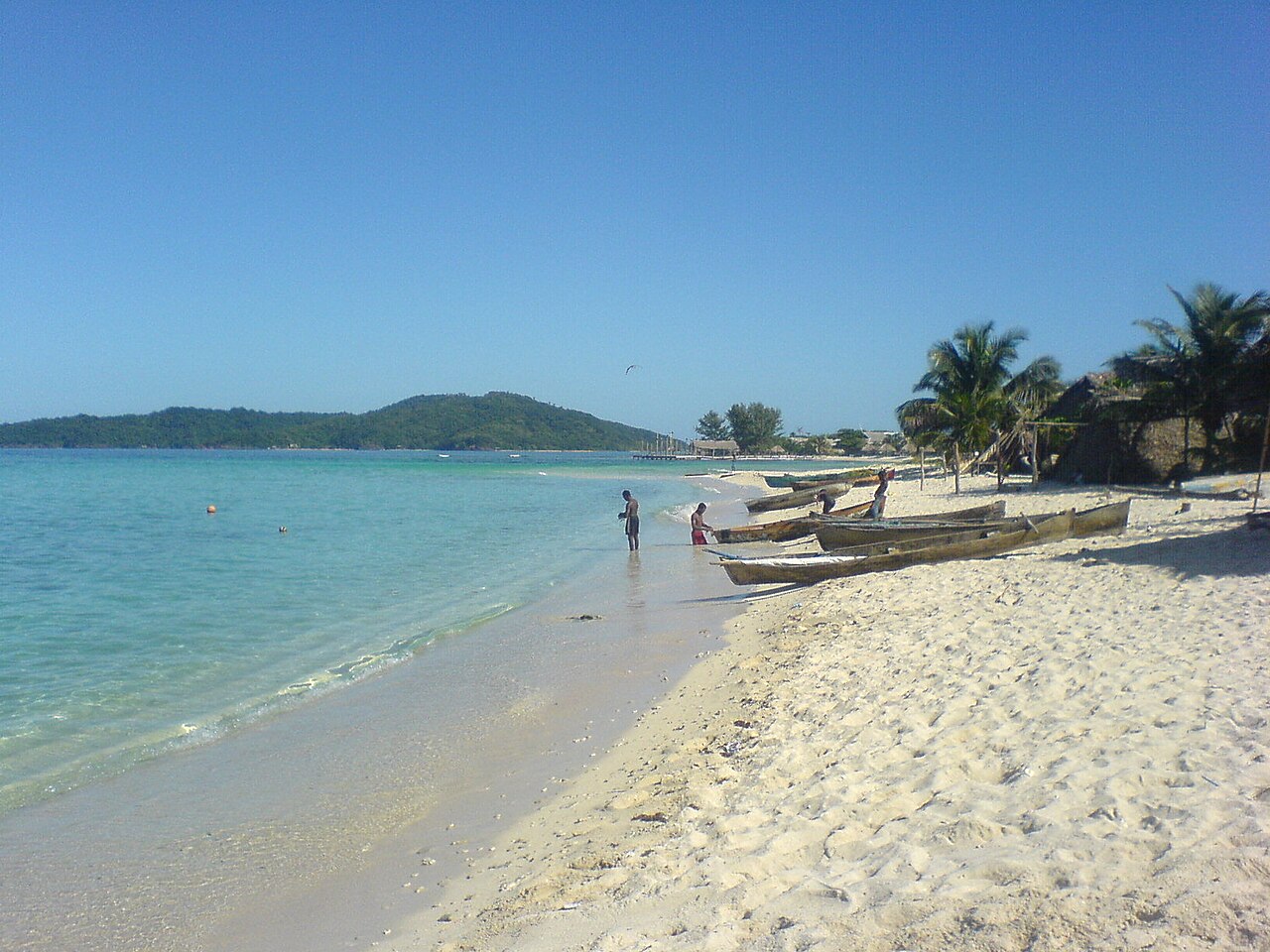
Cayos Cochinos is a small Caribbean archipelago about 30 km northeast of La Ceiba, Honduras, made up of two main islands (Cayo Grande and Cayo Menor) and 13 uninhabited coral cays. It sits within the Mesoamerican Barrier Reef, the world's second-largest reef system, and is a marine protected area managed by the Honduras Coral Reef Foundation with a long history of Smithsonian research, so the coral here stays unusually healthy. Shallow fringing reefs at 2-12 m put elkhorn and brain-coral gardens, schooling reef fish, hawksbill turtles, spotted eagle rays and nurse sharks within easy reach of surface snorkelers, making it friendly even for beginners. Visibility is often a clear 15-30 m but can drop with weather and tides, and as of 2026 the reserve remains well protected under strict fishing limits.
Shallow fringing-reef coral gardens with elkhorn and brain corals
Frequent sightings of hawksbill turtles, spotted eagle rays, nurse sharks and queen angelfish
Named snorkel/dive sites such as the Black Coral Wall (Pared de Coral Negro) and Coco's Sea Mount
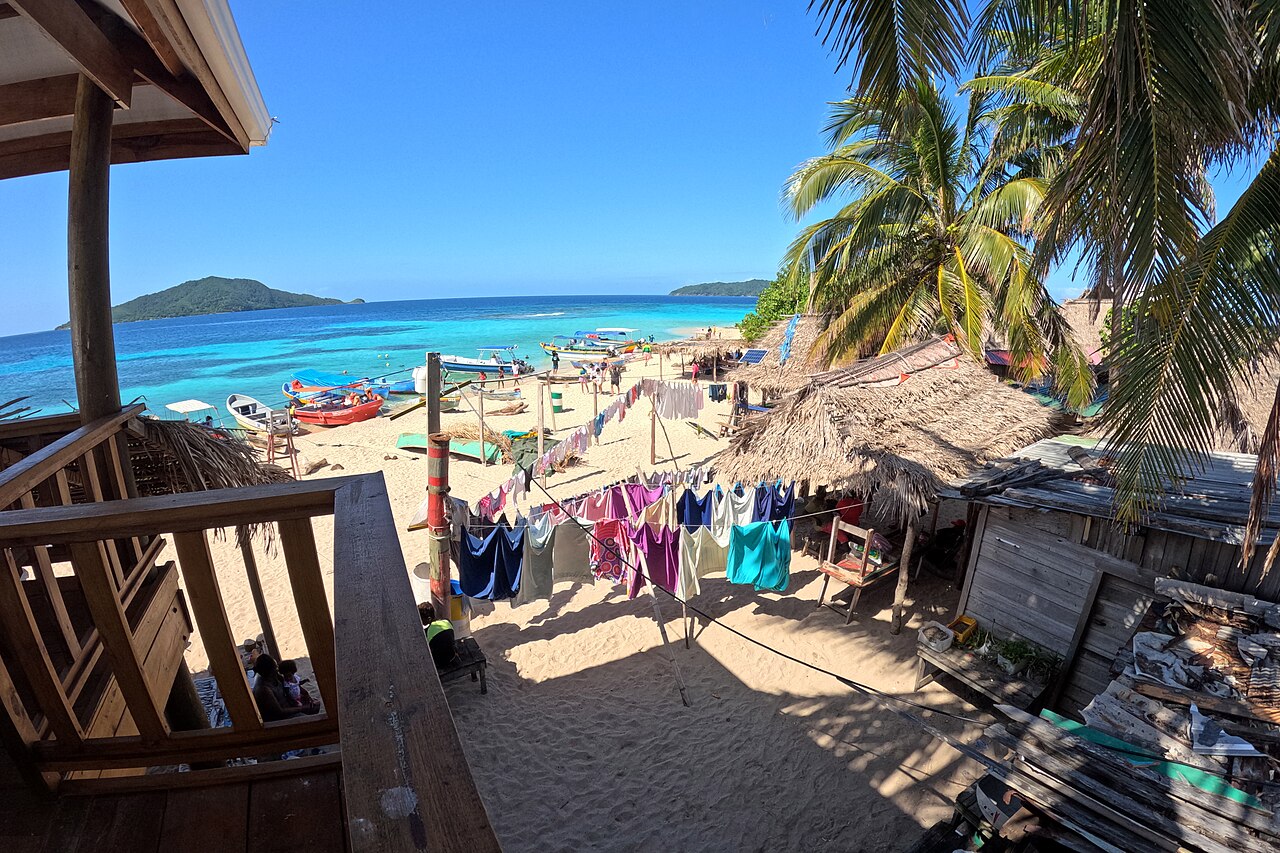
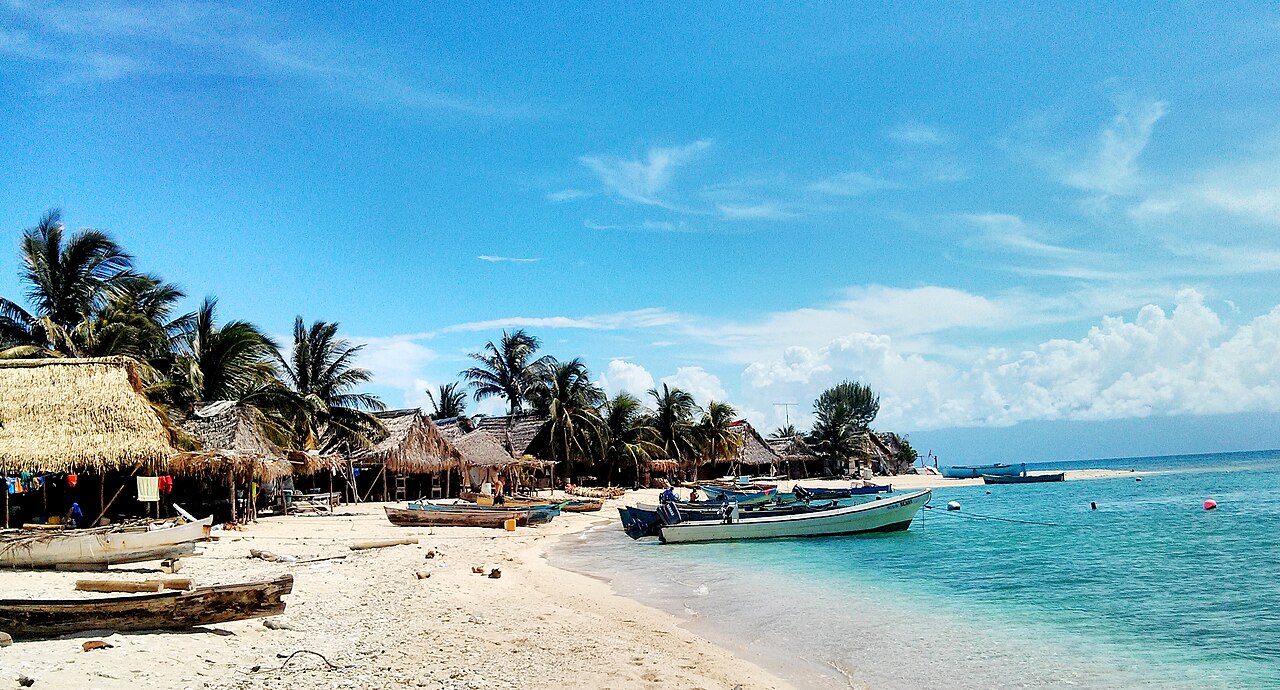
A stop at the Garifuna fishing village of Chachahuate for traditional island culture
March-September brings the warmest water (27-29 C) and the clearest conditions
Good to know
SafetyCurrents run between the cays and around points, and can push snorkelers toward open water. Always go with a guide or buddy, carry a float or buoy, and never snorkel alone this far from the mainland.
SafetyTour pangas (small boats) move through these waters. Stay clear of boat lanes and keep near a visible surface marker or buoy.
SafetyThe reef has plenty of fire coral (coral de fuego) and sea urchins; even a light brush can burn or sting, so keep hands and fins off the coral. Beginners can panic from mask fog or shortness of breath, so settle in over shallow, sandy areas first.
RulesThis is a Mesoamerican Reef marine protected area. Do not stand on or touch the coral, do not collect shells or wildlife, fishing and spearfishing are banned, and use reef-safe sunscreen. Entry fees go to the Coral Reef Foundation.
MannersKeep your distance from turtles and rays, and never feed or touch wildlife. Never stand on coral. When visiting the Garifuna village, which has no power or running water, ask before taking photos of people.
SeasonWater stays a warm 27-29 C year-round, with March-September usually offering the best visibility. Note that June-November is Atlantic hurricane season, when storms, swell and rain can cancel trips, so check the forecast.
CautionUnlicensed, bargain tours may skimp on park-fee payment or safety gear. Book through a properly licensed operator and confirm up front whether the price includes the reserve entry fee.
Practical info
Access is by panga from La Ceiba (about 45 minutes from the Sambo Creek dock) or by sailing tour from Roatan or Utila, usually as a full-day snorkel trip of around seven hours. The islands have no roads or vehicles, and a separate marine-reserve entry fee applies. March-September is the easiest window while June-November hurricane season is best avoided; always confirm current prices, sailing times and fees before you book.
On-site reviews📍 Verified on-site
No reviews yet. If you are here, be the first to leave one.