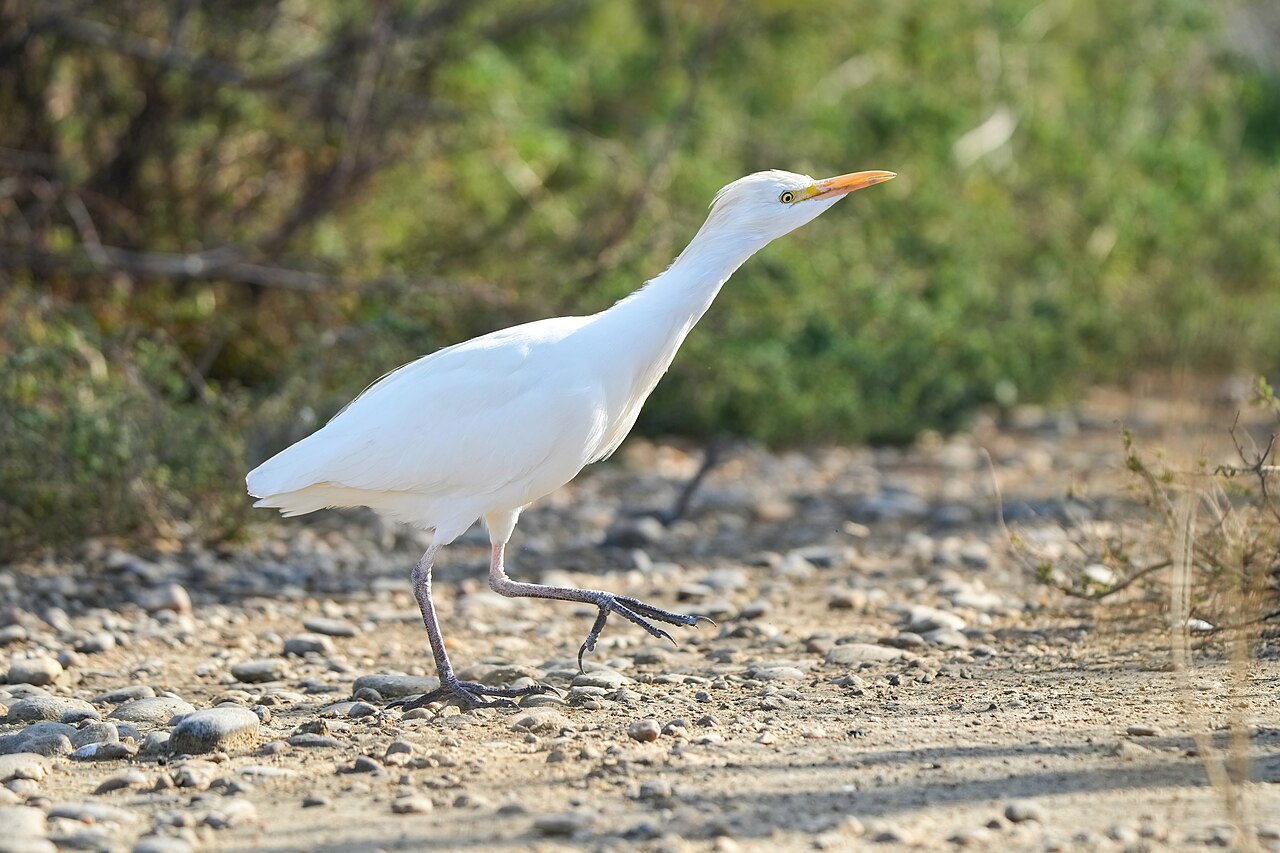
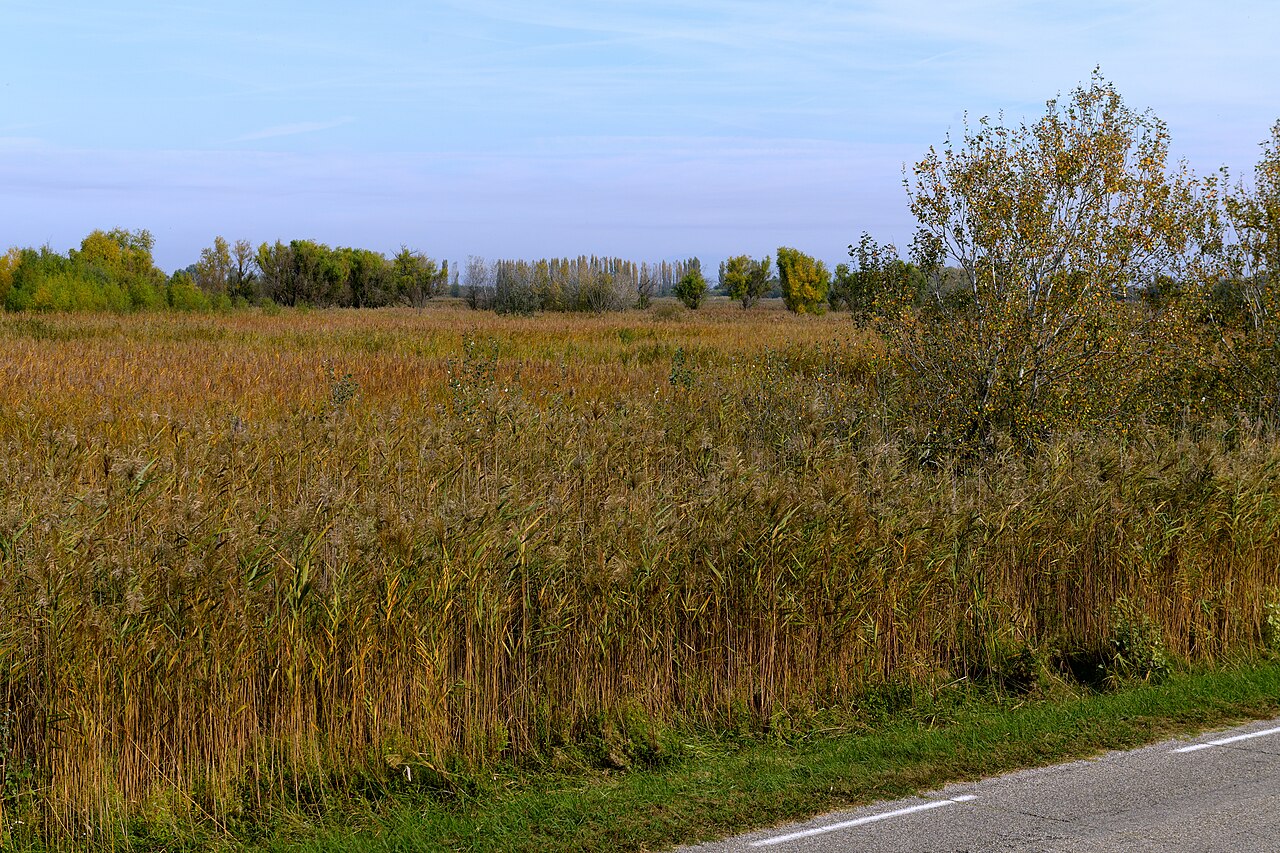
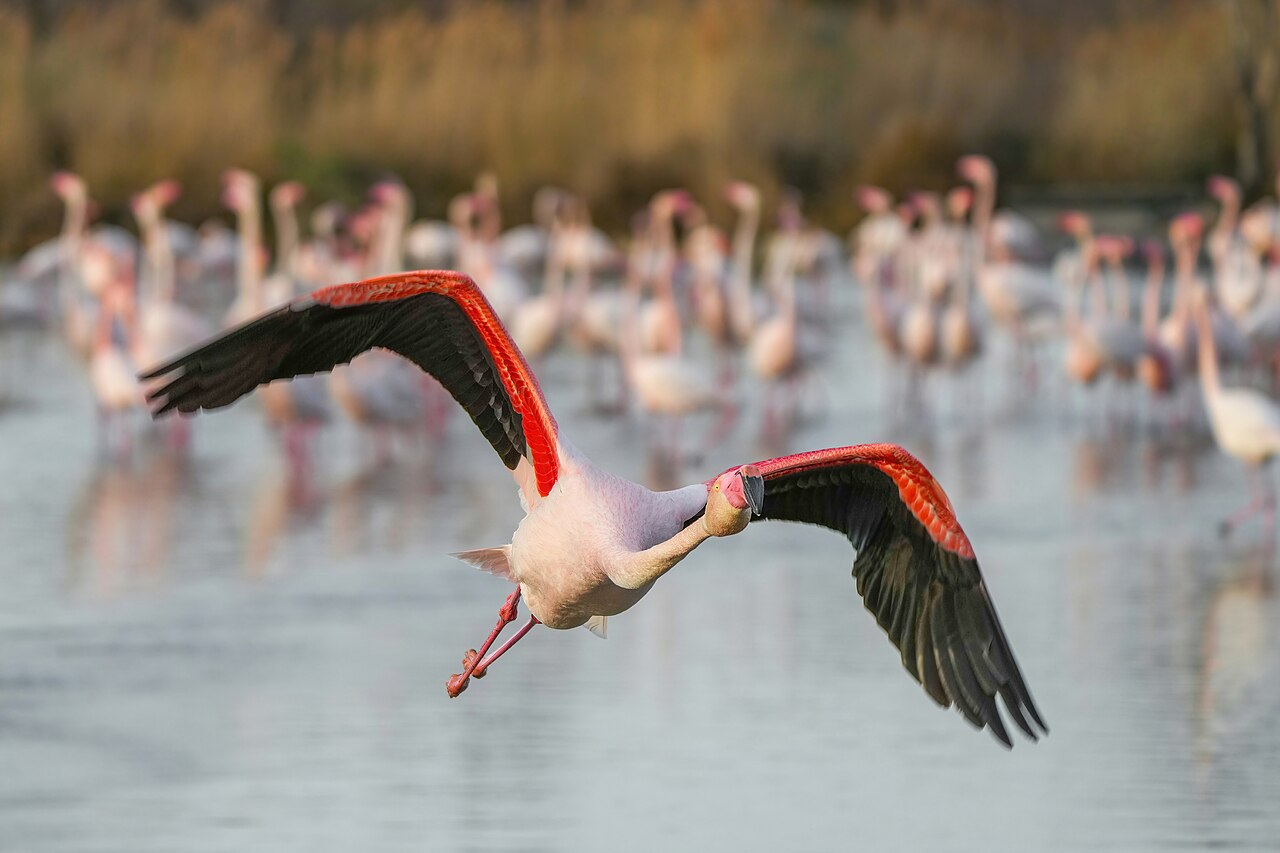
The Camargue is Western Europe's largest river delta, a vast wetland where the Rhône meets the Mediterranean, protected since 1970 as a Regional Natural Park (Parc naturel régional) covering some 85,000 hectares. It is famous for tens of thousands of pink flamingos, white Camargue horses, black bulls and more than 400 bird species, making it one of the continent's wildest deltas. In 2026 it remains a UNESCO Biosphere Reserve and protected nature reserve, best experienced from its trails and bird hides across salt flats, lagoons and reed beds. Approach it not as a theme-park attraction but as a living wetland to observe quietly.
Pont de Gau Ornithological Park (Parc ornithologique de Pont de Gau) near Saintes-Maries-de-la-Mer — the classic spot, with raised hides and short trails for the closest reliable flamingo views
Musée de la Camargue — about 10 km from Arles in a former shepherd's farmhouse (mas), an ecological and cultural introduction to the delta with a nature trail
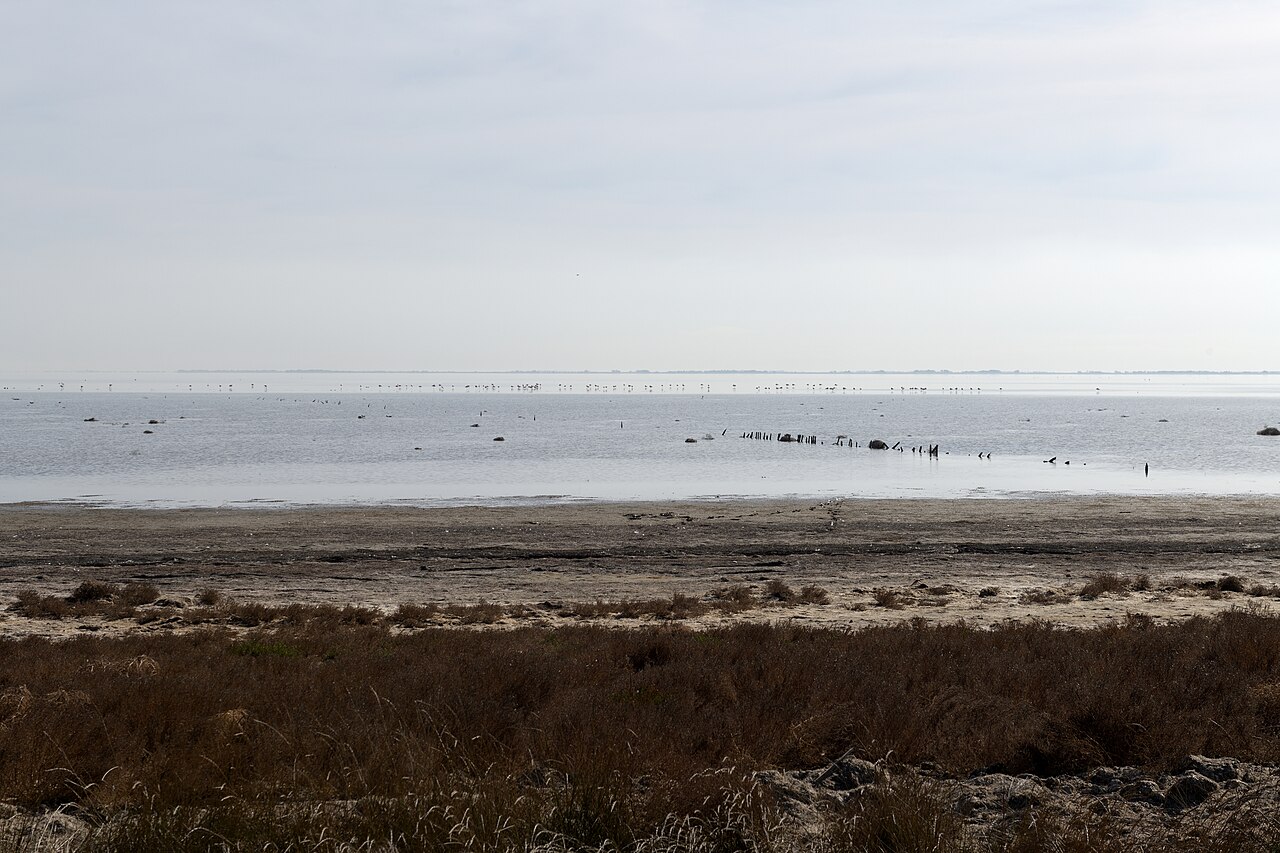
Étang de Vaccarès and the La Capelière reserve observatories — the great central lagoon and key vantage points for scanning large flocks
Salin de Giraud and the Aigues-Mortes salt pans — some of Europe's largest salt works, with pink pools, white salt mountains and mirror-like reflections
The Camargue's three emblems together — pink flamingos, white horses and black bulls set against wetland and ranch landscapes
Good to know
SeasonJuly and August bring intense mosquitoes and punishing heat, making the delta uncomfortable for walking. Spring (April–June) and autumn (September–November) are best for light, flamingos and fewer mosquitoes; if visiting in summer, strong repellent and long sleeves are essential.
SafetyWetland mosquitoes can occasionally carry West Nile virus, so limit dawn and dusk outdoor exposure and prevent bites with repellent and covering clothing.
SafetyCamargue beaches such as Piémanson are known for strong currents, and swimming is not recommended. Plan for scenery and wildlife rather than bathing.
RulesMuch of the area lies within the national nature reserve: stay on marked trails and in bird hides, and do not fly drones or approach wildlife. Follow all on-site signage and rules.
MannersDo not feed the flamingos, horses or bulls, and avoid loud noise. Keep a generous distance and observe quietly so the birds are not flushed.
SafetyPublic transport is very limited, so a rental car is effectively necessary; there is little shade, so bring water, a hat and sun protection, and drive slowly on unpaved salt and dyke roads.
CautionBe wary of informal 'guides,' pushy horse-ride touts and unclear paid-parking offers. Book entries, tours and horse rides through official websites or visitor centres.
Practical info
Access is easiest by car from Arles or Saintes-Maries-de-la-Mer, building your route around hubs like the Pont de Gau ornithological park, the Musée de la Camargue and La Capelière. Opening hours and admission (for example at Pont de Gau or the Domaine de la Palissade) vary by season, so check the official websites for the latest information before you go.
On-site reviews📍 Verified on-site
No reviews yet. If you are here, be the first to leave one.