Santa Maria sits at the southern tip of Sal, a volcanic island in the Atlantic off West Africa, and works as both a fishing town and a resort strip. The bay in front of the town sits in the lee of the northeast trade winds, so the surface is workable on many days; a short boat ride out, the bottom drops away fast enough to hang a line to around 50 m. Water stays roughly 22-27°C year round and visibility can open to 20-30 m on good days, which is why Santa Maria has grown into a winter alternative for European freedivers looking for depth. As of 2026 the town hosts small apnea schools running CMAS, AIDA and Molchanovs-style courses (Apnea Boom among them) alongside a cluster of scuba centres, with instructors typically taking only a handful of students per session. The catch is that there is no hyperbaric chamber anywhere in Cape Verde, so the safety margin here has to be wider than at better-served destinations.
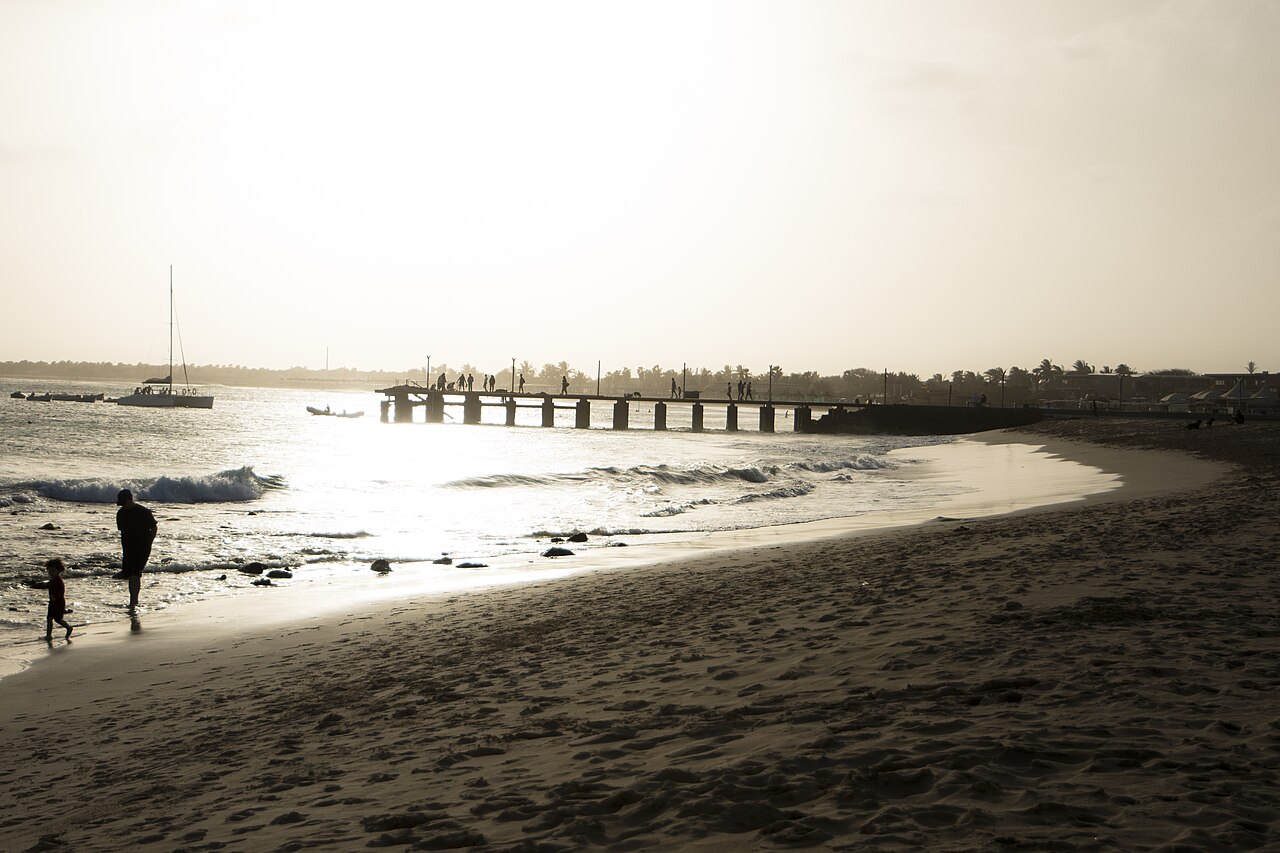
The wind shadow of Santa Maria bay - even when the trades are blowing, the inner bay often stays flat enough to set a buoy and line.
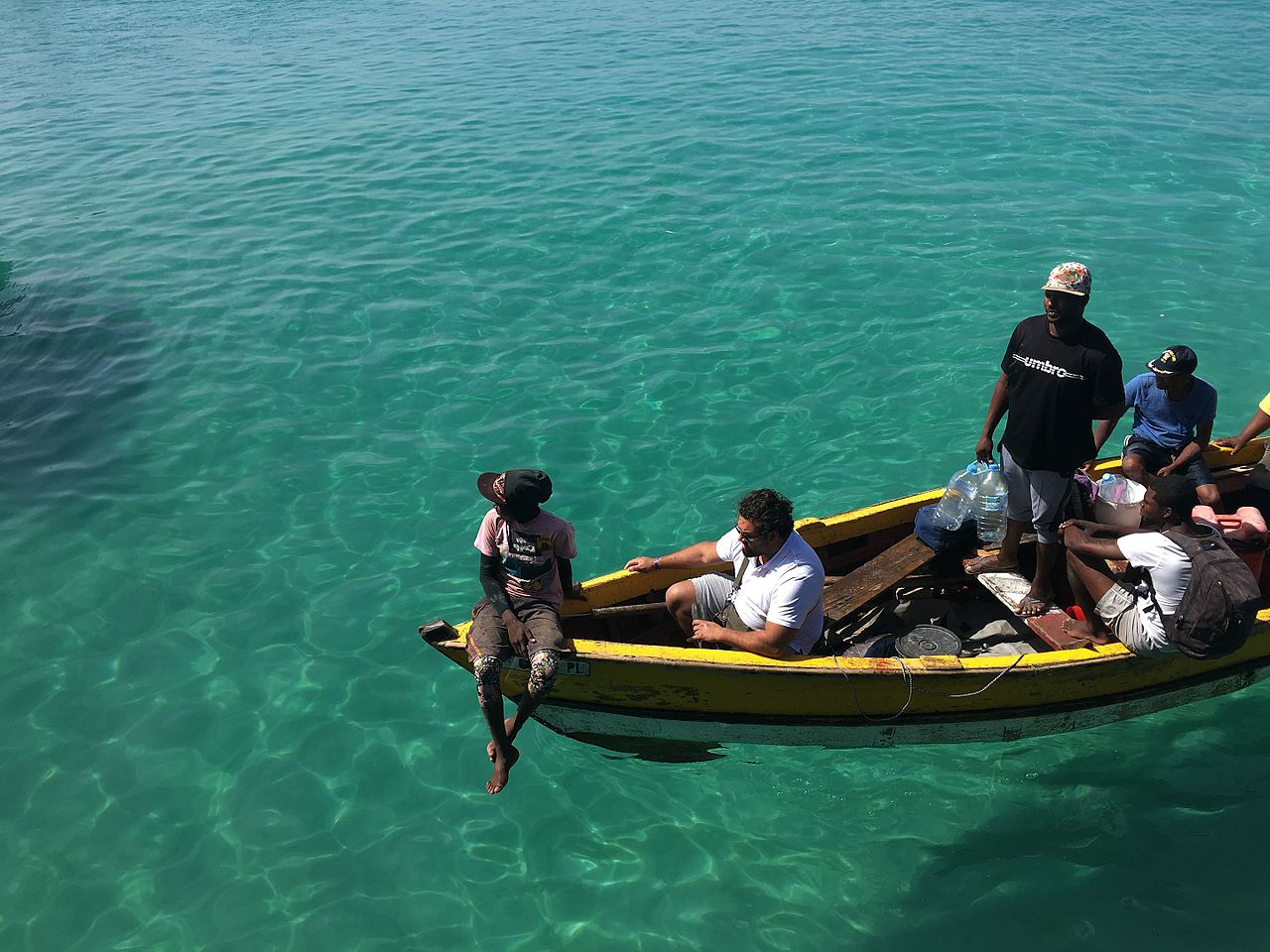
Steep drop-offs within a short boat transfer, so a 50 m line is reachable without a long, seasick-inducing crossing.
Blue-water sessions with tuna, barracuda and grouper, plus occasional manta rays, nurse and hammerhead sharks, and bottlenose dolphins.
Humpback whale season in late winter and spring - Cape Verde is one of the few humpback breeding areas in the North Atlantic.
The shallows around Santa Maria pier, where rays and fish gather as the boats land their catch, making an easy warm-up and snorkelling stop.
Good to know
SafetyShallow water blackout and LMC typically strike in the last 10 m of the ascent or in the first seconds at the surface, with no warning to the diver. A trained safety diver must meet you one-to-one for the final 10-15 m, you wear a lanyard on the line, and the boat runs a counterballast. Never train alone, and never treat a scuba diver as your buddy. Pushing for a personal best to fit a one-week trip is the single most common way freedivers get hurt.
SafetyThere is no hyperbaric chamber in Cape Verde. A lung squeeze, pneumothorax or decompression sickness (taravana) that needs a chamber or intensive care means an air evacuation to Europe or mainland Africa - days of delay and serious cost. Carry insurance that names apnea/freediving explicitly and includes medical repatriation, and physically check that oxygen and a BVM are on the boat before you leave the dock.
SafetySanta Maria bay is shared with dive boats, fishing boats and watersports traffic. Do not enter the water without a surface marker buoy and dive flag, and stay on the line. Outside the bay you can pick up current, and conditions below the thermocline can turn colder and murkier quickly - let the local instructor and boat skipper make the call on the day.
SeasonDecember to March brings the strongest northeast trades and the biggest swell, and deep sessions get cancelled often when the surface turns rough. April to November is calmer, with visibility generally best from June to November. Humpbacks, however, arrive in late winter and spring, so calm water and whales pull in opposite directions. Whenever you go, build spare days into the trip.
RulesEntry rules changed recently: from 1 January 2026 Cape Verde suspended visa-on-arrival for a long list of nationalities, who must now obtain a visa before departure. Check your own passport against the official EASE portal and a Cape Verdean mission before booking. Regardless of nationality, EASE pre-registration and the airport security fee (TSA) are separate, mandatory steps. Most operators also require a recognised certification (AIDA, CMAS, Molchanovs) and proof of insurance before putting you on a deep line.
MannersSea turtle nesting and hatching seasons come with access restrictions on beaches and shallows, and touching or feeding sharks, turtles and whales is off limits. The lemon shark nursery north of town (Shark Bay) is a protected wade-in observation site, not a freediving spot. Spearfishing is governed by separate rules on areas, species and gear - clear it through a local operator first.
CautionArriving without EASE pre-registration and settling it at the airport reportedly costs substantially more and carries a penalty for non-registration, so complete it online at least five days before you fly. Course and fun-dive pricing varies a lot between operators and some reviews flag unclear inclusions, so get the number of sessions, equipment, boat fees and safety staffing confirmed in writing before you pay.
Practical info
There are no direct flights from East Asia; most routings go via Lisbon or another European hub to Sal (SID), roughly 20 hours in total, with Santa Maria a 20-30 minute drive from the airport. Schools run small groups and fill up in peak season, so book ahead - and since prices, opening hours, certification requirements and visa/EASE procedures change frequently, confirm the current details directly with the operator and the official portals before you travel.
On-site reviews📍 Verified on-site
No reviews yet. If you are here, be the first to leave one.