Reserva Marina de Cabo de Palos – Islas Hormigas · 스페인 무르시아
Location
Overview
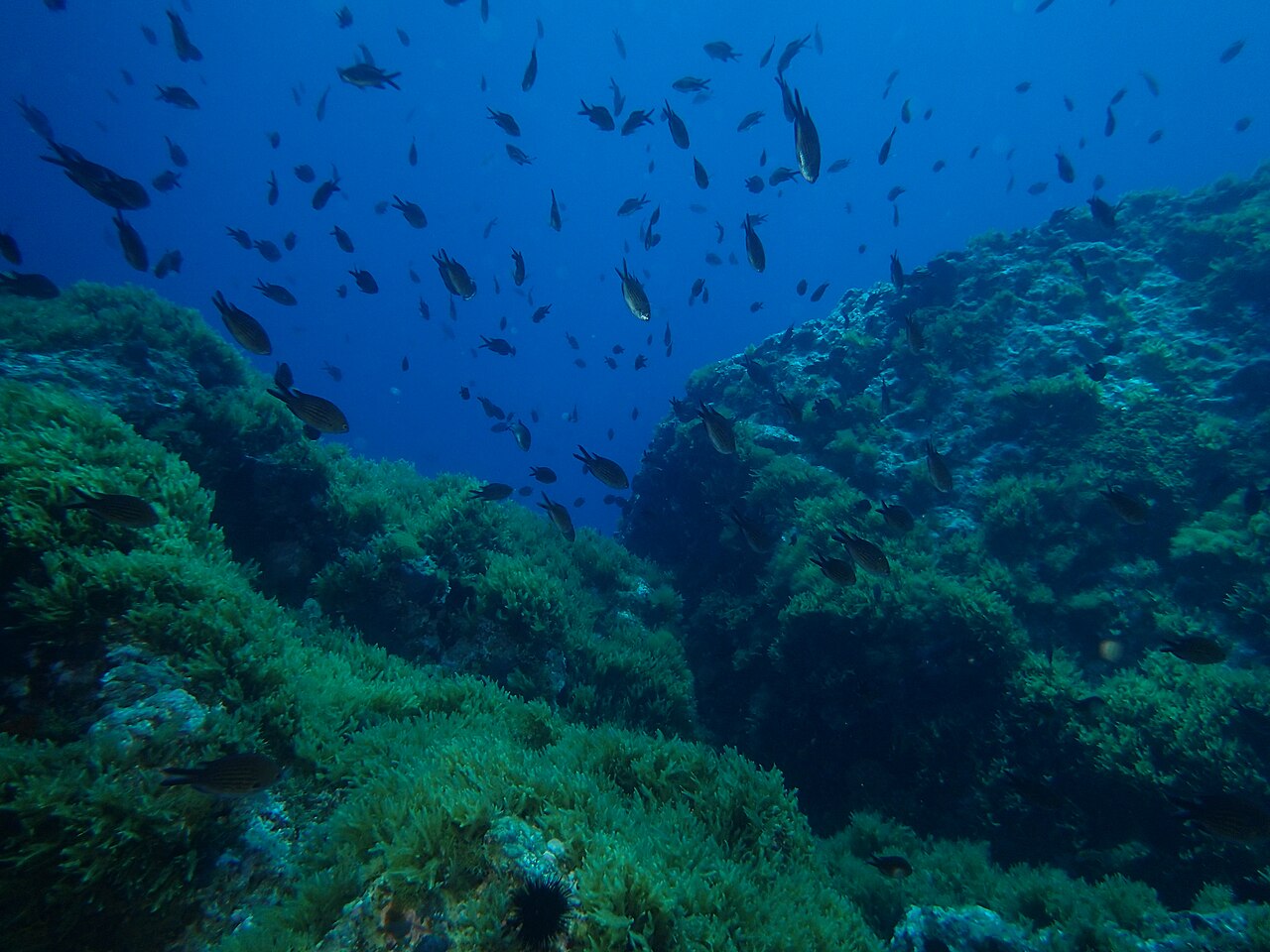
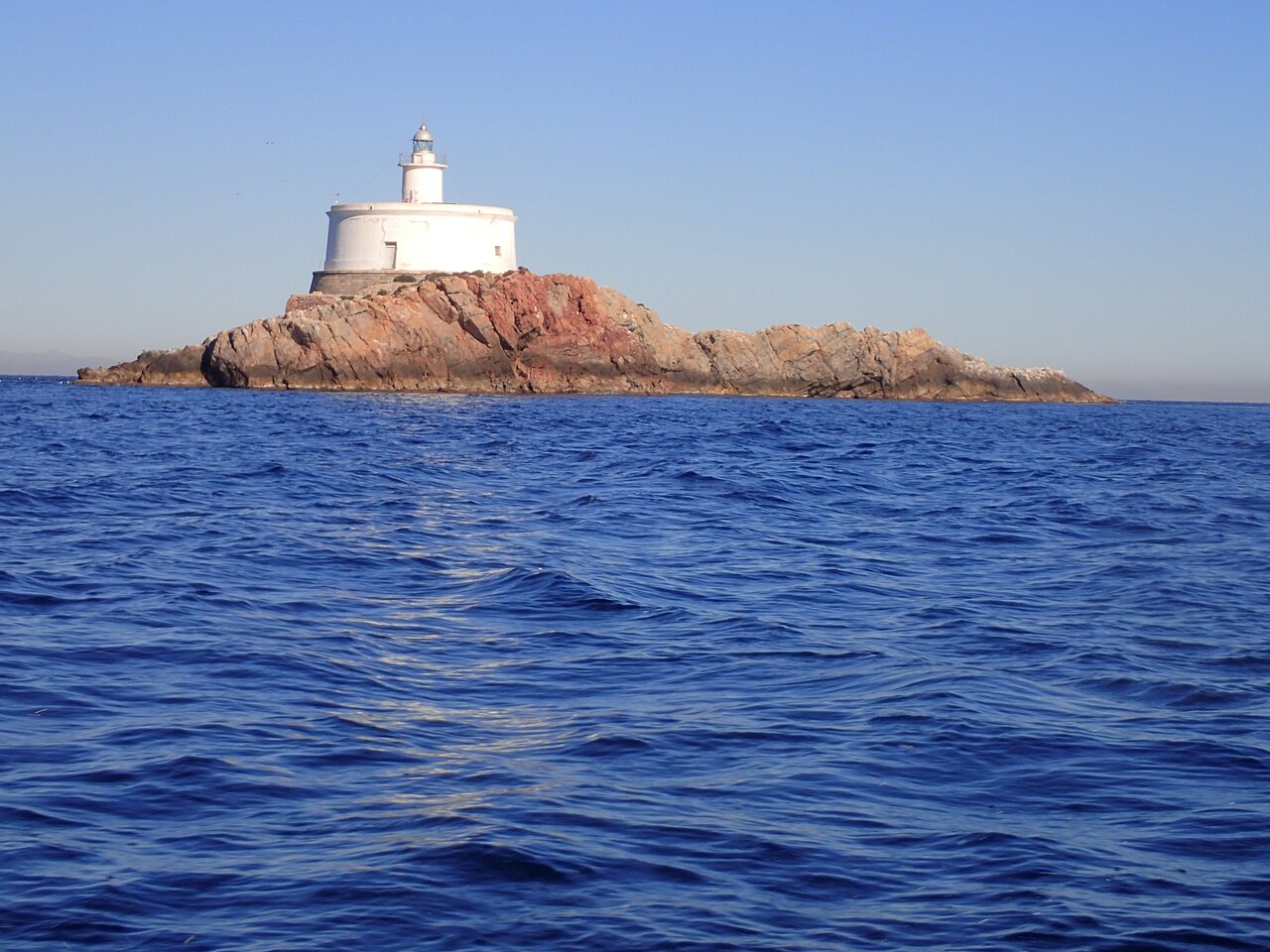
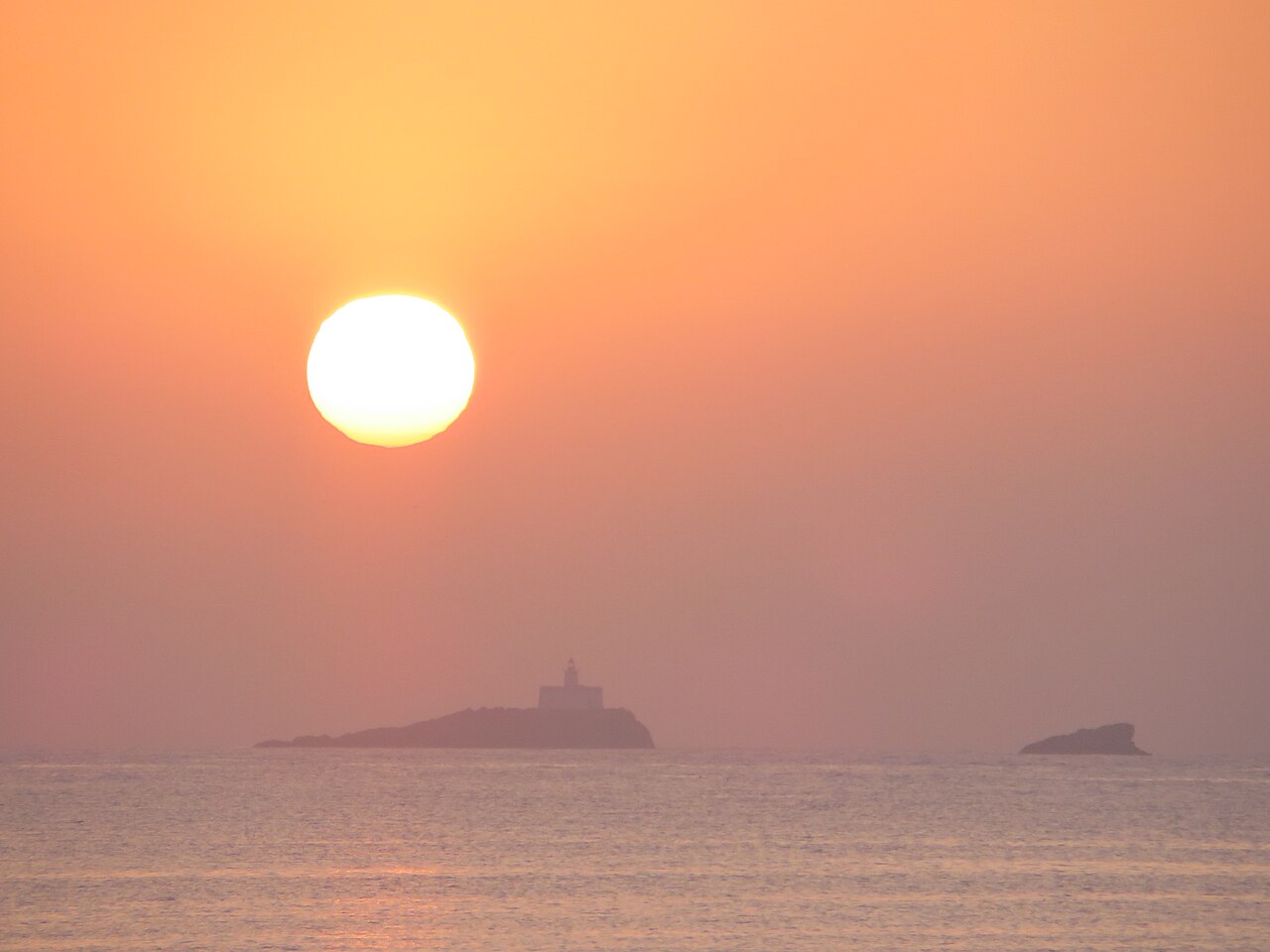
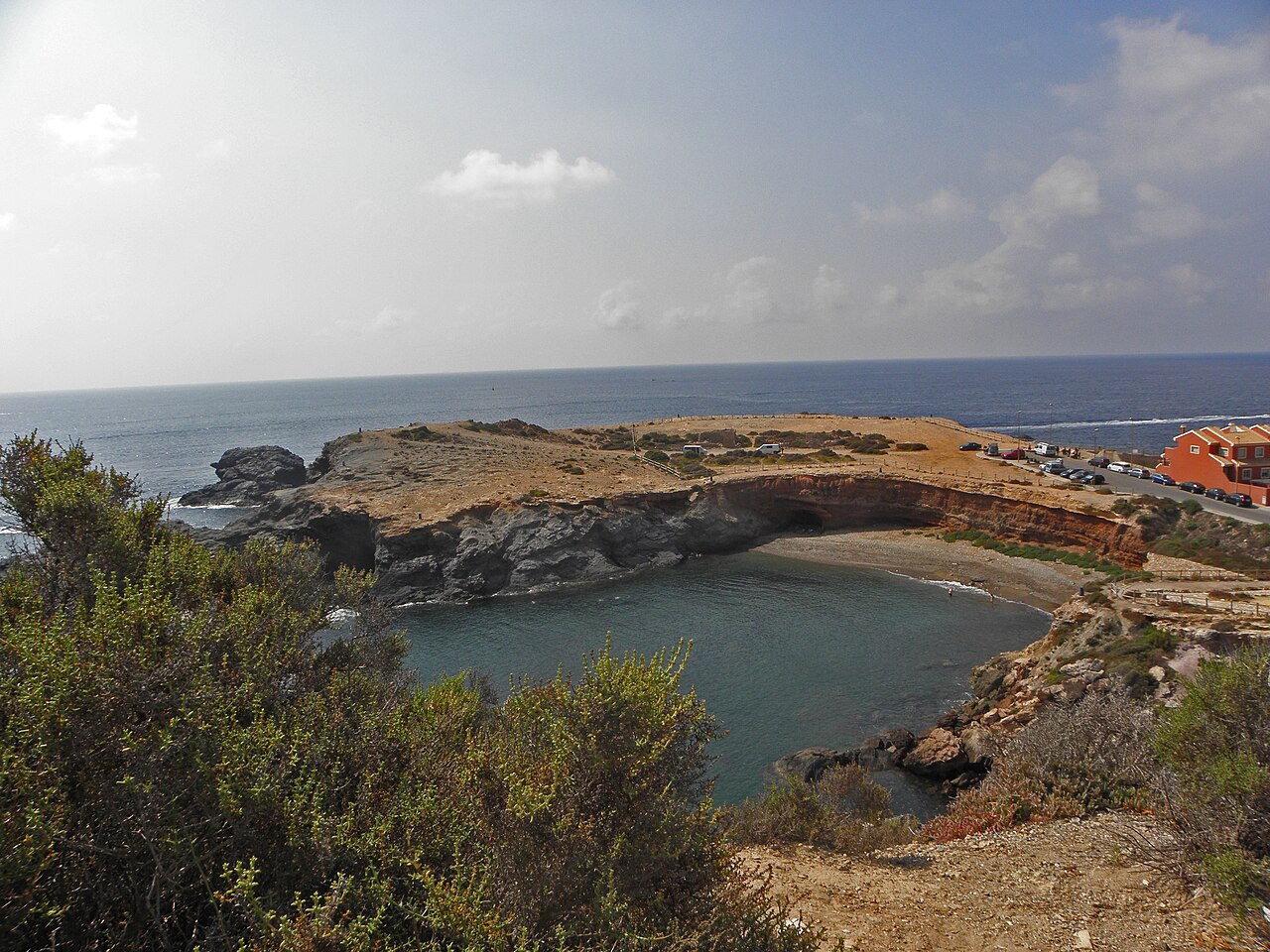
Off Murcia in southeast Spain, the cape of Cabo de Palos lighthouse and the Islas Hormigas form one of the Mediterranean's flagship marine reserves, protected since 1995. Snorkelling here usually means a guided boat trip from the village port out to the coves (calas) below the lighthouse, where you drift over Posidonia oceanica meadows in fairly shallow water (roughly 2–8 m) among groupers, barracuda, moray eels, octopus and clouds of smaller fish. Visibility is among the best in the Mediterranean at 15–30 m, clearest in September, with summer water around 23–26°C. In 2026 the reserve is in its first summer after an expansion (about 168 ha added, ~2,116 ha total) that tightened anchoring and recreational-fishing rules.
Guided boat snorkel from Cabo de Palos port to the coves under the lighthouse (about 50 minutes in the water)
Posidonia oceanica seagrass meadows alive with fish
Big groupers (mero), barracuda, moray eels, octopus and rays
Outstanding 15–30 m visibility, at its peak in September
Historic wrecks off the Islas Hormigas (deep, strong currents — scuba only, not for snorkellers)
Good to know
SafetyCurrents run strong around the cape and islands and the bottom drops away fast, so you can be pushed offshore. Never snorkel alone, carry a float or buoy and stay close to your guide or boat.
SafetyBoat and jet-ski traffic is heavy in summer. Mark your position with a surface buoy or dive flag and keep clear of the navigation channels.
SafetyWatch for sea urchins on the rocks, jellyfish in summer and weever fish buried in the sand — all can sting or cut. Wear a wetsuit and gloves and don't touch anything.
SafetyOn longer swims beginners tire and chill quickly, and a fogged mask can trigger panic. A wetsuit helps — don't push beyond your comfort.
RulesThis is a marine reserve. The integral zone around the Hormigas islets is closed to all underwater activity, and recreational diving/snorkelling elsewhere is daytime only and needs Región de Murcia authorisation. The 2026 expansion tightened anchoring and fishing rules, so check the current regulations, don't touch or collect any marine life, never stand on the Posidonia meadows or rocks, and use reef-safe sunscreen.
MannersKeep your distance from groupers, rays and other wildlife — don't chase or feed them.
SeasonThe season runs May–October, busiest July–September. Early morning is calmest and clearest; jellyfish can appear in summer, so check conditions before you go.
Practical info
Reach it by road from Murcia (Corvera) or Cartagena and join a guided boat snorkel at the Cabo de Palos village port; the season is May–October, peaking July–September. Because it's a protected reserve, book with a licensed dive centre or tour, and always confirm the latest prices, departure times and permit requirements before you go.
On-site reviews📍 Verified on-site
No reviews yet. If you are here, be the first to leave one.