Bukhansan National Park is a granite-peaked mountain park on the northern edge of central Seoul and Korea's most popular hiking destination, easily reached by subway. It centers on Baegundae, its highest peak at 836.5m, along with rocky summits like Insubong and the Joseon-era Bukhansanseong fortress and its temples. It gets especially crowded during spring greenery and autumn foliage.
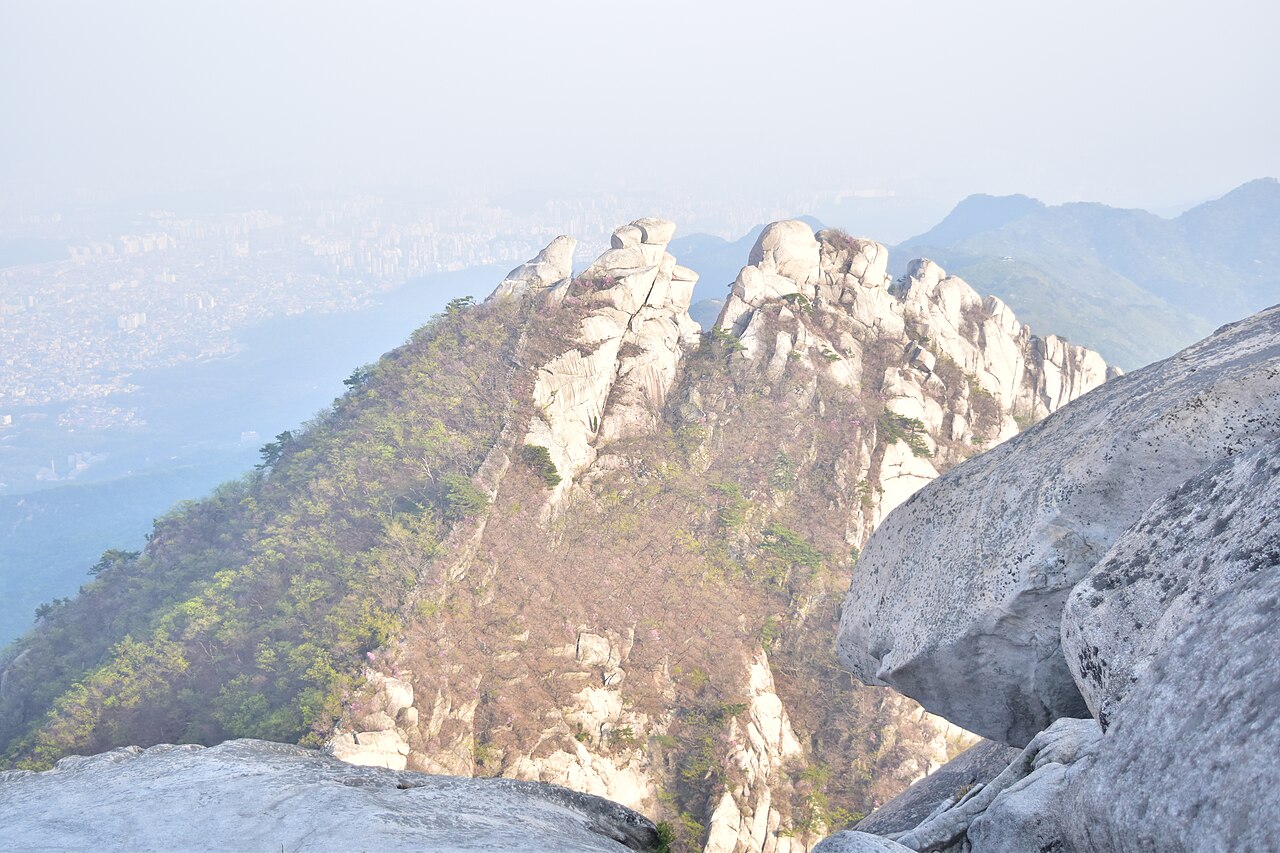
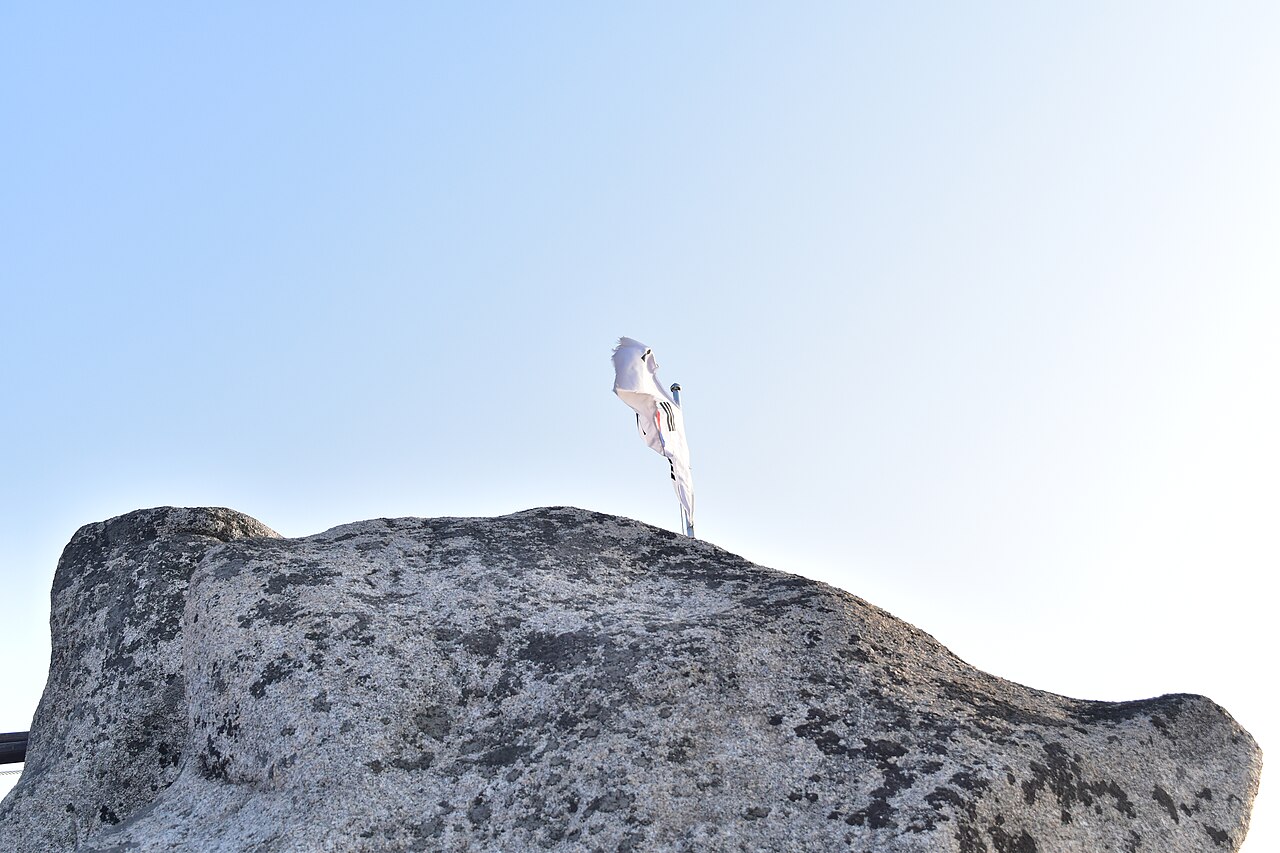
Baegundae summit (836.5m), the highest peak, with a final stretch climbed using fixed rails and ropes over bare rock
Bukhansanseong Fortress course — walls and gates of a Joseon-era mountain fortress completed in 1711
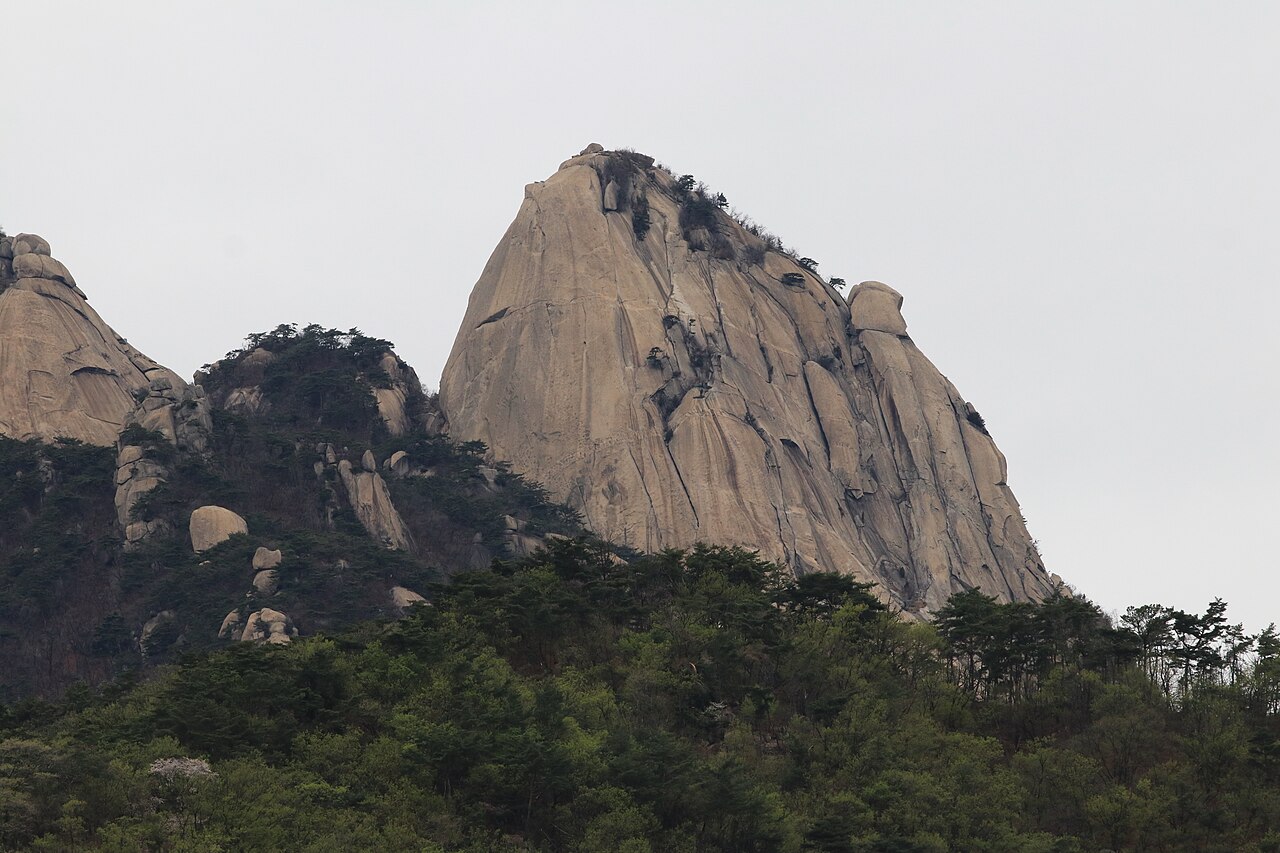
Insubong (810.5m), a landmark rock-climbing crag (technical gear required; not reachable on foot by ordinary hikers)
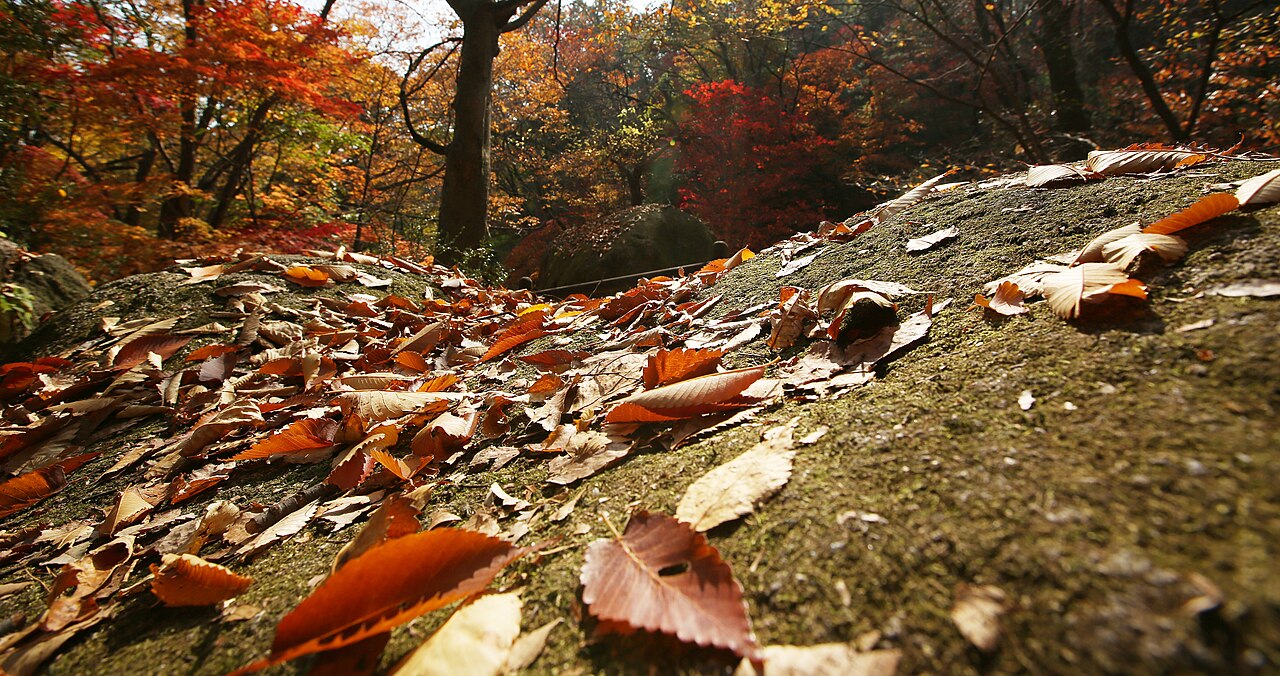
Seasonal scenery of spring greenery and autumn foliage, with ridgeline views over the city
Free rental of safety gear (hiking boots, poles, crampons) at visitor centers such as Baegundae — check operating hours
Good to know
SafetyThe Baegundae summit and rocky ridges carry a real risk of slips and falls. Insubong and similar crags have seen repeated falling accidents, including recent fatalities — do not attempt them without proper equipment and experience.
RulesNight hiking is prohibited in Korean national parks. Entry and closing times vary by season (roughly 04:00–16:00 in winter, 04:00–17:00 in summer) and you must descend before closing, so verify current hours.
SafetyTrails are rocky and the final section uses ropes, so grippy hiking boots and gloves are essential. Do not leave designated trails or hike after drinking alcohol.
SeasonIn winter the summit area ices over and crampons (chain spikes) are effectively mandatory; in summer, heavy rain and lightning make valleys and ridges hazardous. Check weather and park advisories before setting out.
RulesStay out of restricted, off-limits zones (areas prone to falls and lightning) and follow designated trails and park control instructions.
Practical info
Admission is free; if you drive, expect a parking fee (about ₩2,000–8,000). Subway access is convenient (Line 3 Gupabal for the Bukhansanseong side, Line 1 Dobongsan for the Dobong side, Ui-Sinseol Line Bukhansan Ui station for the Baegundae side). Confirm fees, hours, and any closed sections with current Korea National Park Service notices.
On-site reviews📍 Verified on-site
No reviews yet. If you are here, be the first to leave one.