Borobudur is the world's largest Buddhist monument, built in the 8th–9th centuries under the Syailendra dynasty in Magelang, Central Java, Indonesia. The nine-tiered volcanic-stone structure is carved with 2,672 relief panels and once held 504 Buddha statues, and it was inscribed as a UNESCO World Heritage Site in 1991. It sits about 40 km from Yogyakarta, making it an easy day trip.
Ascending the nine-level mandala (six square, three circular terraces) as a symbolic pilgrimage from the earthly narratives below to the realm of enlightenment above
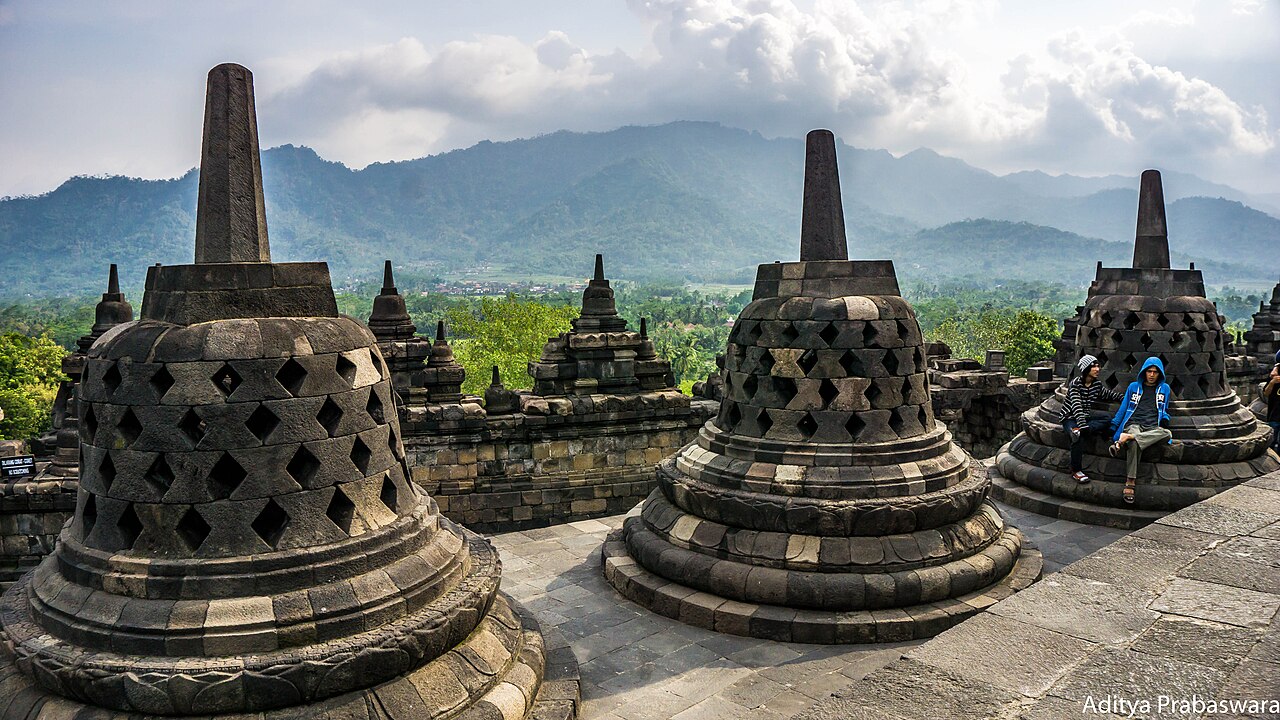
2,672 finely carved stone relief panels and Buddha statues seated inside bell-shaped stupas
Views over the Kedu Plain and surrounding volcanoes from the 72 stupas and central dome on the upper circular terraces
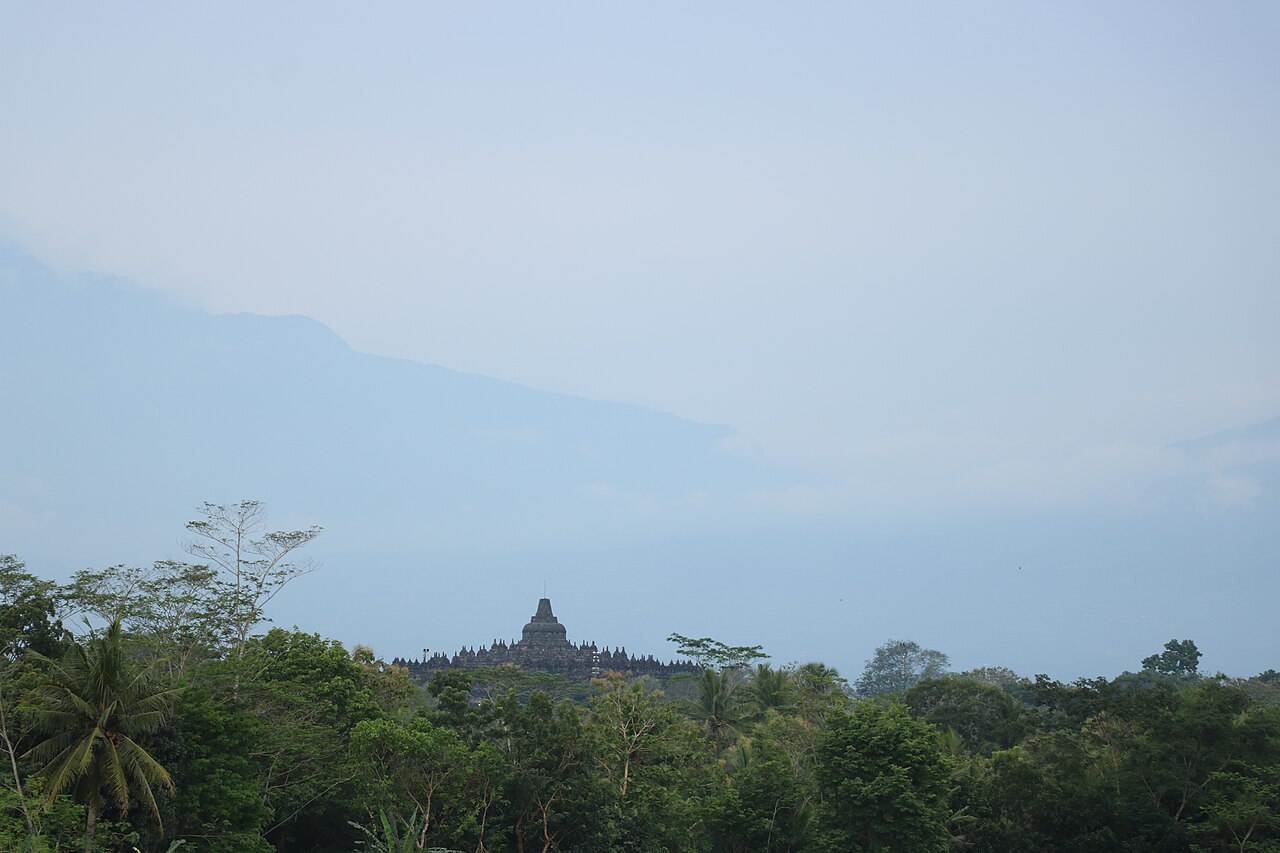
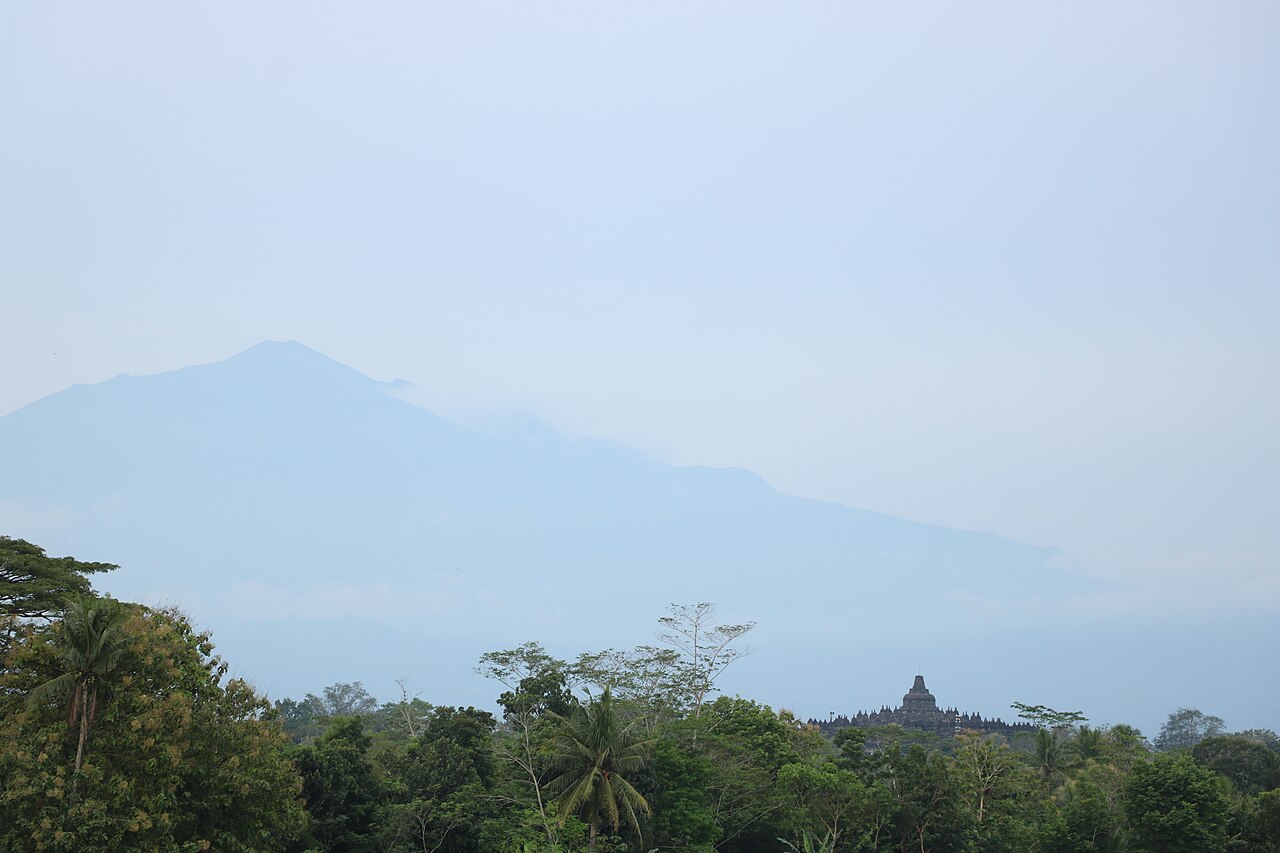
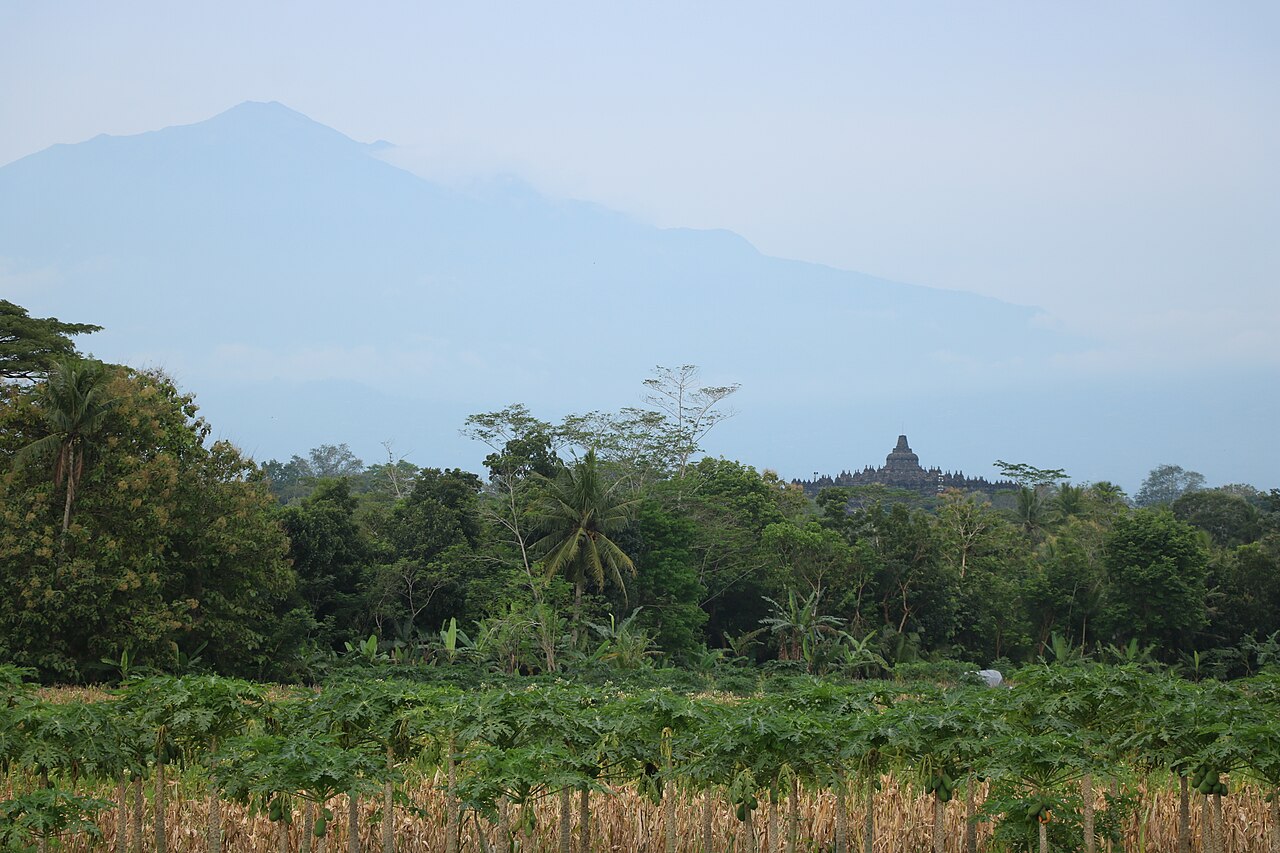
Early-morning sunrise or misty atmosphere over the temple (accessed via the Manohara hotel side)
Pairing it with nearby Prambanan (Hindu temple) on a Yogyakarta World Heritage circuit
Good to know
RulesClimbing the temple structure requires an advance online reservation and is strictly capped (a daily limit with timed slots as of latest info). Peak-season (Jul–Aug) and sunrise sessions sell out early, so book ahead.
RulesTo climb the upper structure you must wear the provided 'Upanat' sandals that protect the ancient stone, and a designated licensed guide is required. Touching the reliefs or Buddha statues and climbing on the stupas are prohibited.
CautionThere are reports of drivers or guides charging the foreigner fare, then buying the discounted domestic-rate ticket at the counter and pocketing the difference. Buy entry tickets directly at the official booking site/Manohara counter, and always check the official receipt and physical ticket before paying any cash.
CautionTouts (e.g. motorbike-taxi drivers) approaching outside the bus terminal or gate may claim 'it's a 2 km walk' to push a paid ride. The real distance is much shorter; use an app such as Grab for transparent, metered pricing.
MannersAs a sacred Buddhist site, modest dress covering shoulders and knees is expected; a sarong is provided free at the entrance. Keep quiet, be respectful, and do not disturb monks, pilgrims, or ceremonies (especially during Vesak/Waisak).
SeasonThe dry season (May–Sep) is sunny but the exposed upper terraces get very hot at midday. The wet season (Oct–Apr) usually stays clear in the morning with afternoon showers, so watch the slippery stairs. For early visits, bring sun protection, a hat, and water.
Practical info
About 1–1.5 hours by car from Yogyakarta; most visitors spend 2–3 hours. Fees, opening hours, the daily cap, and time slots change often, so confirm the latest details on official channels before you go. Morning visits help you avoid heat and crowds.
On-site reviews📍 Verified on-site
No reviews yet. If you are here, be the first to leave one.