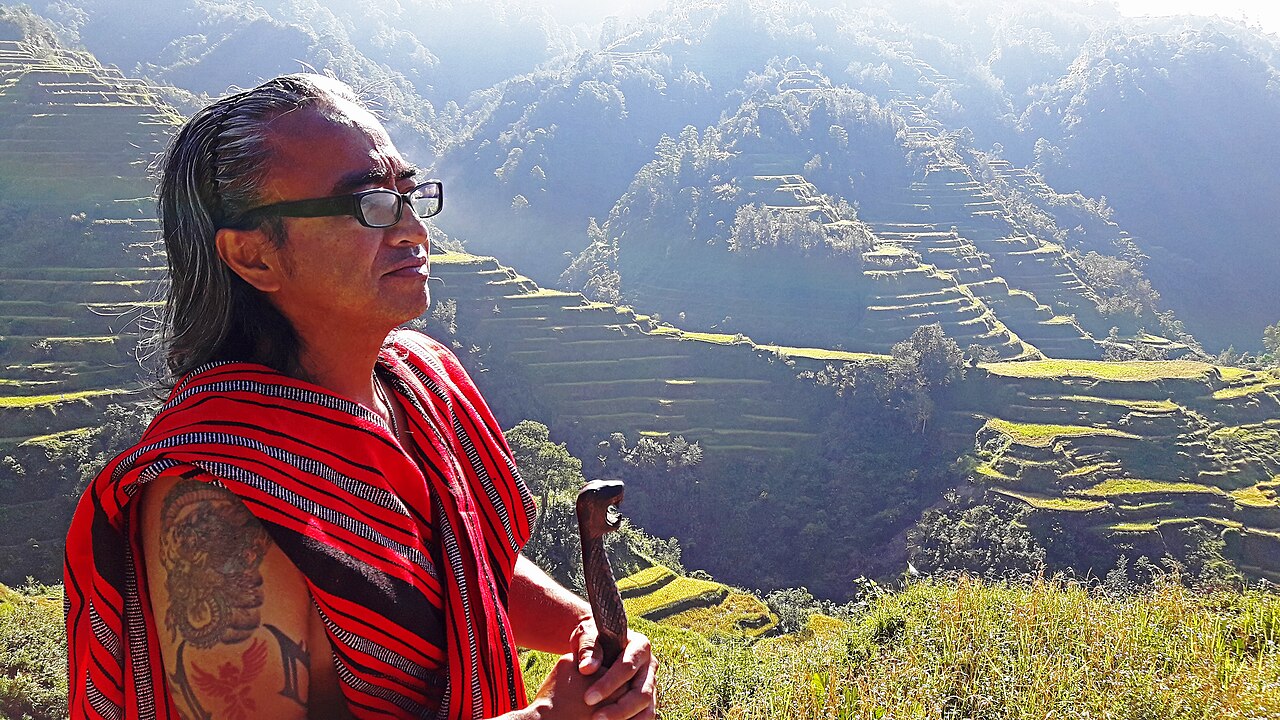
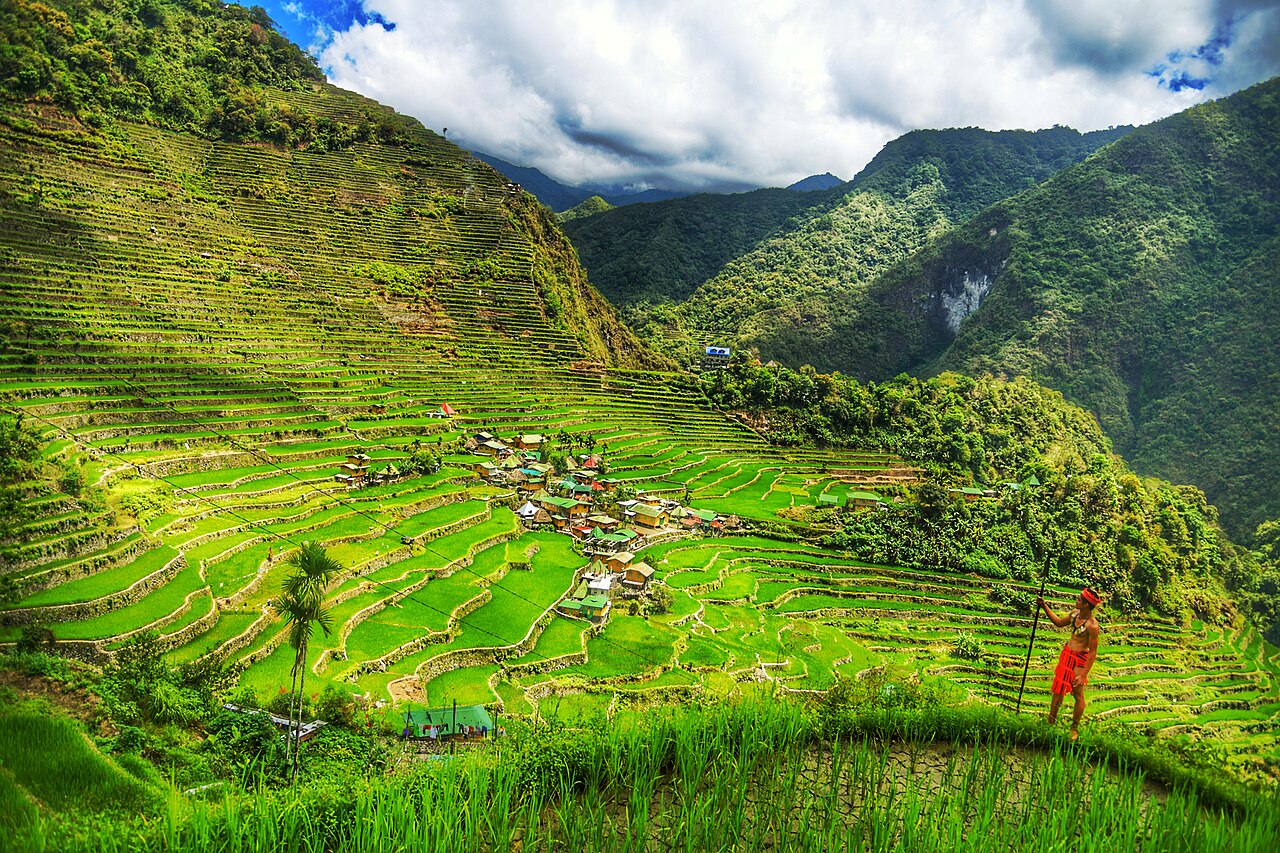
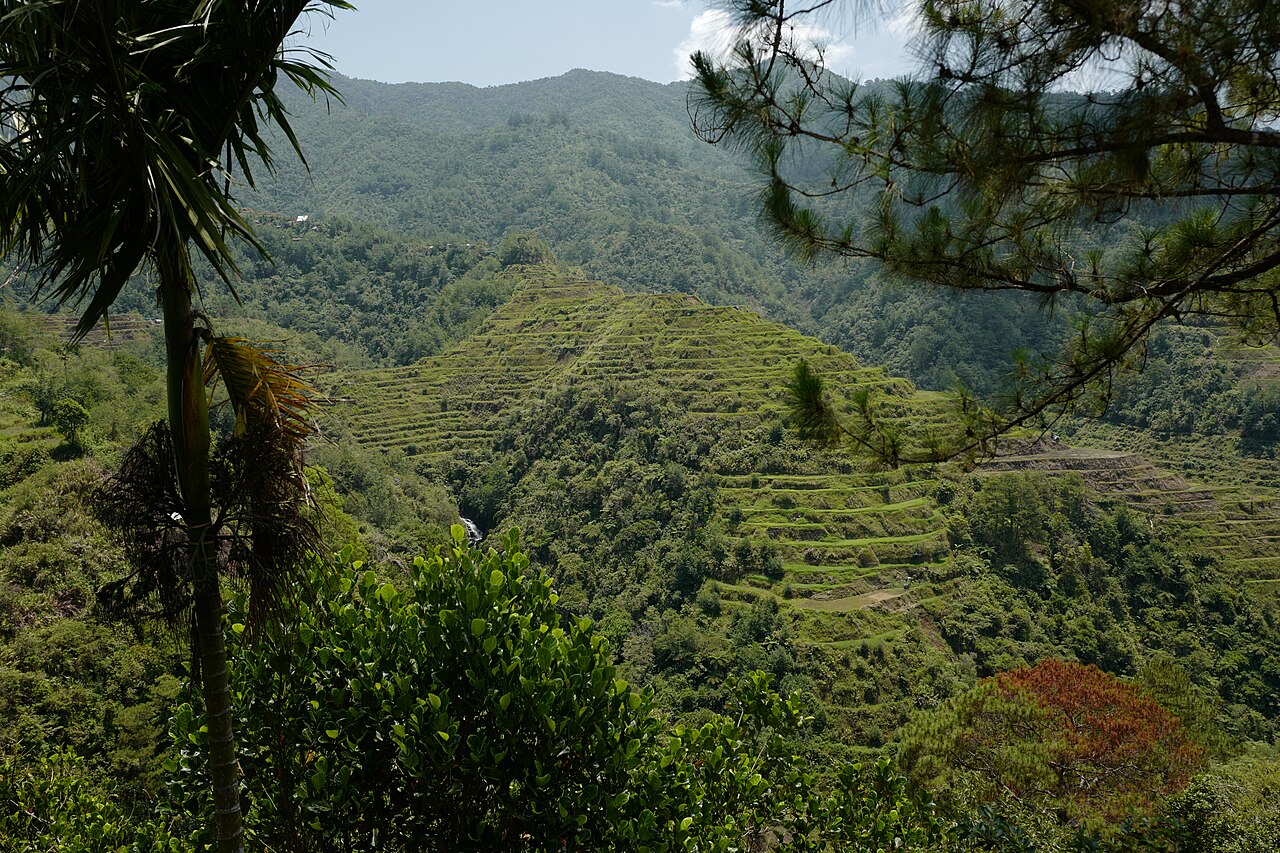
The Banaue Rice Terraces are 2,000-year-old paddies hand-carved by the Ifugao people into the mountains of Ifugao province in northern Luzon, the Philippines, at roughly 1,500 m above sea level. Nicknamed the "Stairway to Heaven," they are an iconic national cultural treasure that even appears on Philippine peso banknotes. Despite common belief, the terraces at the main Banaue viewpoint are not themselves UNESCO-inscribed (too many modern structures); instead five nearby clusters, including Batad and Bangaan, form the UNESCO "Rice Terraces of the Philippine Cordilleras," listed in 1995.
Panoramic sweep of terraces seen from the Banaue Viewpoint
UNESCO-listed Batad amphitheater-shaped terraces and the Bangaan village terraces
Trekking through the paddy walls and visiting traditional Ifugao villages and houses (bale)
Ifugao tribal dances, performances and local crafts, often in traditional dress
Seasonal color shifts, from clear February-May skies to the golden June-July harvest
Good to know
SeasonLow clouds and fog often obscure the view. February to May generally offers the clearest panoramas; June-July brings lush or golden paddies but more frequent rain.
SafetyDuring the wet season (roughly June-November, especially typhoon months) mountain roads face landslide and rockfall risk. Treks such as the Batad saddle point-to-village trail follow slippery paddy dikes, so wear grippy shoes and allow extra time.
CautionTricycle and jeepney fares between Banaue and Batad are negotiated, not fixed. A tricycle round trip is often cited around ₱800-1,000; agree on the exact price, waiting time and round-trip terms before boarding, and don't accept the first quote. (Fares vary; confirm current rates.)
RulesHiking among the terraces often requires hiring a guide from the tourism office, and some viewpoints/villages collect a small tourism fee (commonly around ₱20-50). Amounts and guide requirements change, so verify locally.
MannersThe terraces are working farmland and villagers' livelihood. Stay on marked paths, do not trample the dikes, and don't touch the rice or crops.
MannersAsk permission before photographing residents in traditional dress or their homes; some may pose and then expect a small tip, so plan for it.
Practical info
Banaue is about 8-10 hours from Manila, typically by overnight bus. It sits at altitude and is chilly morning and evening, so bring a jacket and plenty of small-denomination cash. Confirm fees, transport schedules and guide rules on-site before your visit.
On-site reviews📍 Verified on-site
No reviews yet. If you are here, be the first to leave one.