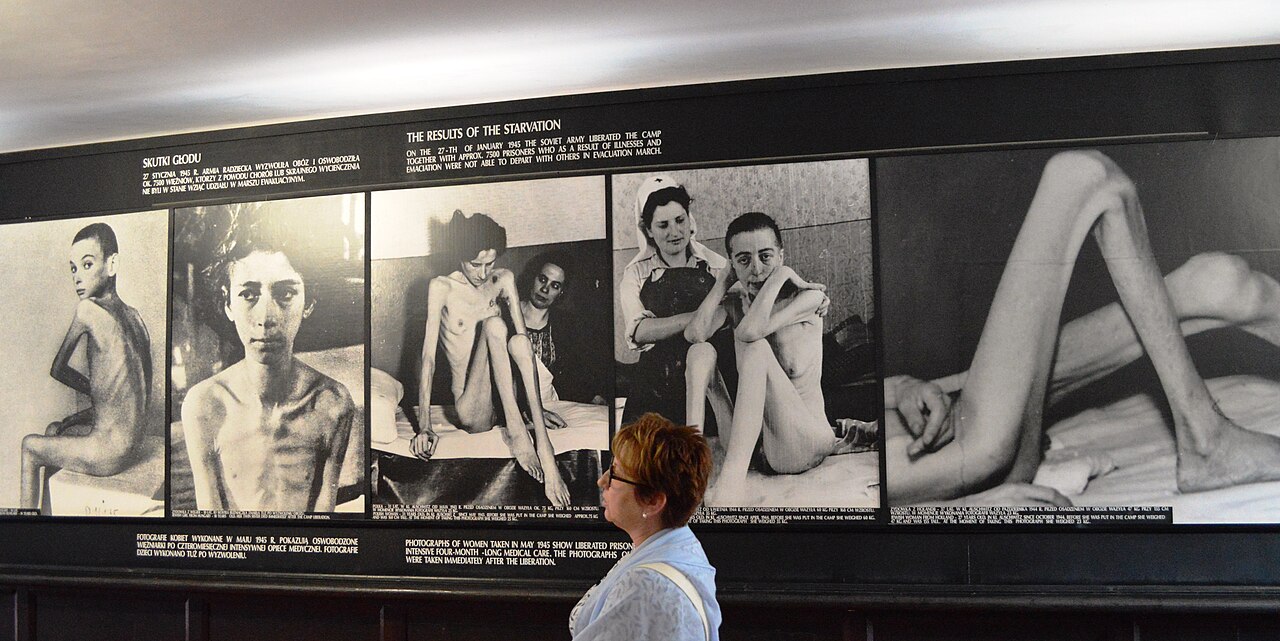
The Auschwitz-Birkenau Memorial and Museum in Oświęcim, southern Poland, preserves the largest Nazi German concentration and extermination camp of the Second World War. Around 1.1 million people, most of them European Jews, were murdered here before the camp was liberated on 27 January 1945; it was inscribed as a UNESCO World Heritage Site in 1979. Having marked the 80th anniversary of liberation in 2025, it remains a major place of remembrance and education, drawing over 2.3 million visitors a year in 2026, and since March 2026 all on-site ticket sales have ended, so every visit — including the free individual entry pass — must be reserved online in advance. This is a site of mourning rather than a tourist attraction, visited quietly and respectfully across its two sections, Auschwitz I and Birkenau.
The 'ARBEIT MACHT FREI' gate of Auschwitz I and its red-brick prisoner blocks
The victims' belongings in Blocks 4 and 5 — shoes, suitcases, eyeglasses and shorn hair (no photography in the hair room)
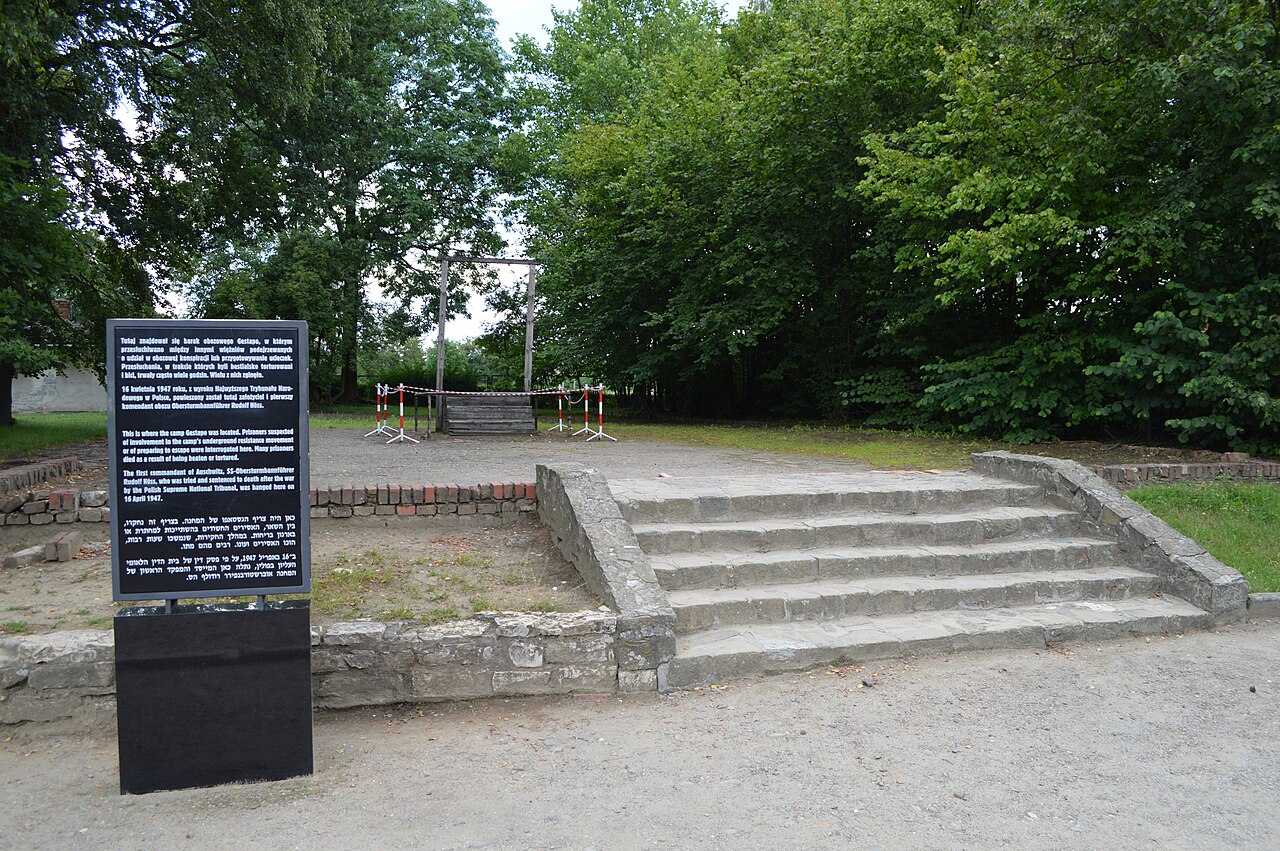
Block 11, the 'Death Block', and the reconstructed 'Death Wall' execution site between Blocks 10 and 11
The 'Gate of Death' watchtower and railway unloading ramp at Auschwitz II-Birkenau, and its vast camp grounds
The ruins of the gas chambers and crematoria dynamited by the SS, the International Monument, and surviving wooden and brick barracks
Good to know
RulesSince March 2026 on-site ticket sales have ended: every visit must be reserved in advance at the official site (visit.auschwitz.org), including the free individual entry pass, which sells out 1–2 months ahead in the summer high season. Verify current times and fees before you go.
CautionBook only through the official website. Many unofficial resellers add mark-ups, and remember that entry to the grounds is free of charge — only guided-tour services are paid.
SafetyWatch for pickpockets at Kraków station and on buses and trains. Bags are limited to 30×20×10 cm, so leave larger luggage in the free lockers at the visitor centre, and arrive 30 minutes before your slot to clear security checks.
SeasonBirkenau is a huge, open site with almost no shade: in summer bring a hat, water and sun protection; in winter dress warmly and expect cold and icy ground. Allow at least 3.5 hours to see both sites, and wear comfortable walking shoes.
MannersThis is a place of remembrance, so behave with solemnity and dress modestly. Avoid posed selfies, running or loud talking, and note that the Museum does not recommend the visit for children under 14.
RulesEating, drinking, alcohol and smoking (including e-cigarettes) are forbidden on the grounds, as are flash photography indoors, tripods and selfie sticks and photography in certain rooms (the hair display and Block 11 basement). A free shuttle bus links Auschwitz I and Birkenau, about 3.5 km apart.
Practical info
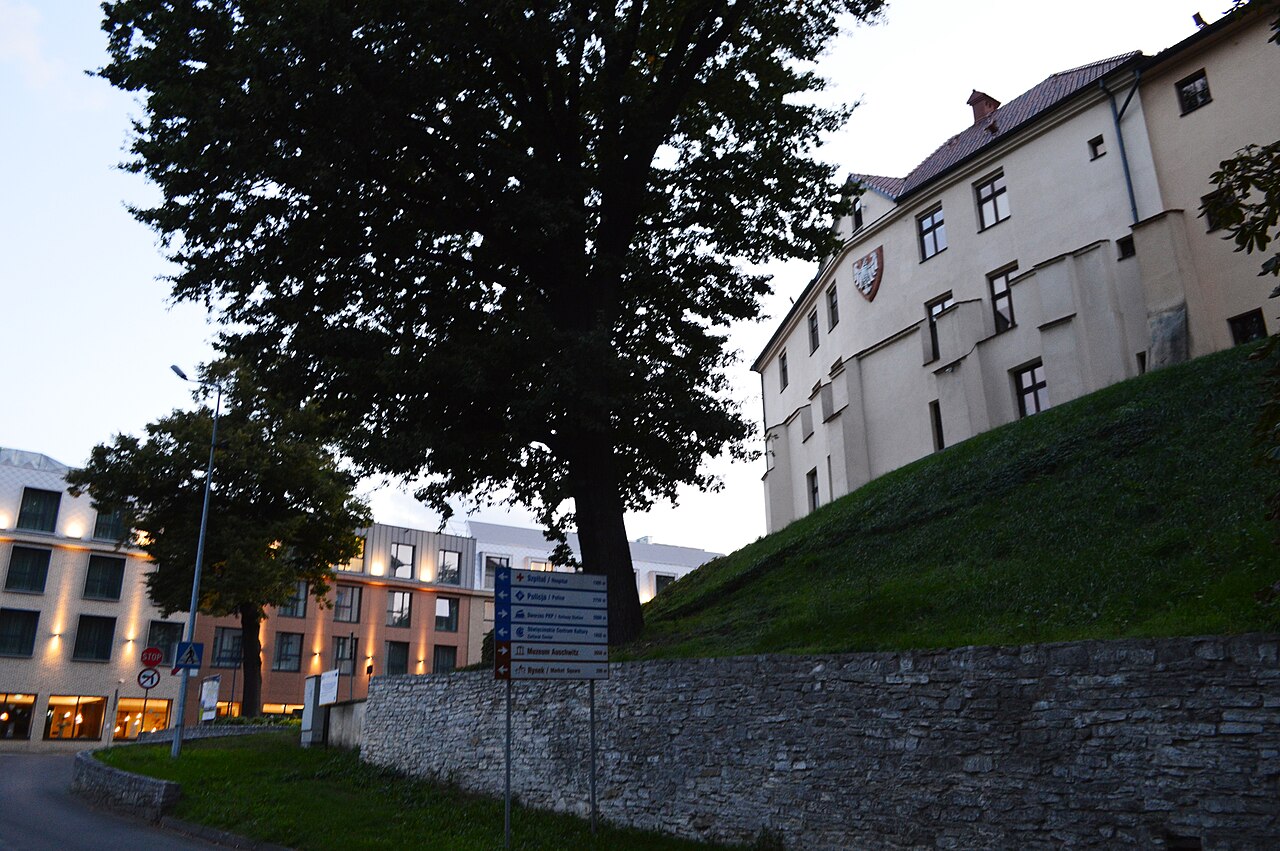
The Memorial is about 70 km from Kraków (roughly 1.5 hours by car, train or bus). Take a train from Kraków Główny to Oświęcim, or a bus/minibus that stops at 'Muzeum I'; from the train station it is a short city-bus ride or about a 20-minute walk to the Memorial. It opens year-round at 07:30 with seasonal closing times (earlier in winter, 19:00 in June–August), and is closed on 1 January, 25 December and Easter Sunday. Admission is free but online reservation is mandatory and guided tours are paid, so always check exact hours, fees and booking on the official website for the latest information.
On-site reviews📍 Verified on-site
No reviews yet. If you are here, be the first to leave one.