The Antilla is a roughly 122m (400ft) WWII German cargo ship that sits off Malmok on Aruba's northwest coast, one of the largest shipwrecks in the Caribbean. Her crew scuttled her in 1940 to avoid capture after Germany invaded the Netherlands, and eight decades later the hull is a living artificial reef sheathed in coral, orange tube sponges and purple sea fans. She lies tilted on her side in about 18m (60ft) of water, but the forward third and the masts rise to within a few metres of the surface, so on a clear day (typically 15-25m visibility) snorkelers can look down on the vast silhouette and the tropical fish swarming over it. In 2026 it remains a staple stop on boat snorkeling tours.
The tilted upper hull and mast silhouette of a ~122m ship — the scale is striking even from the surface
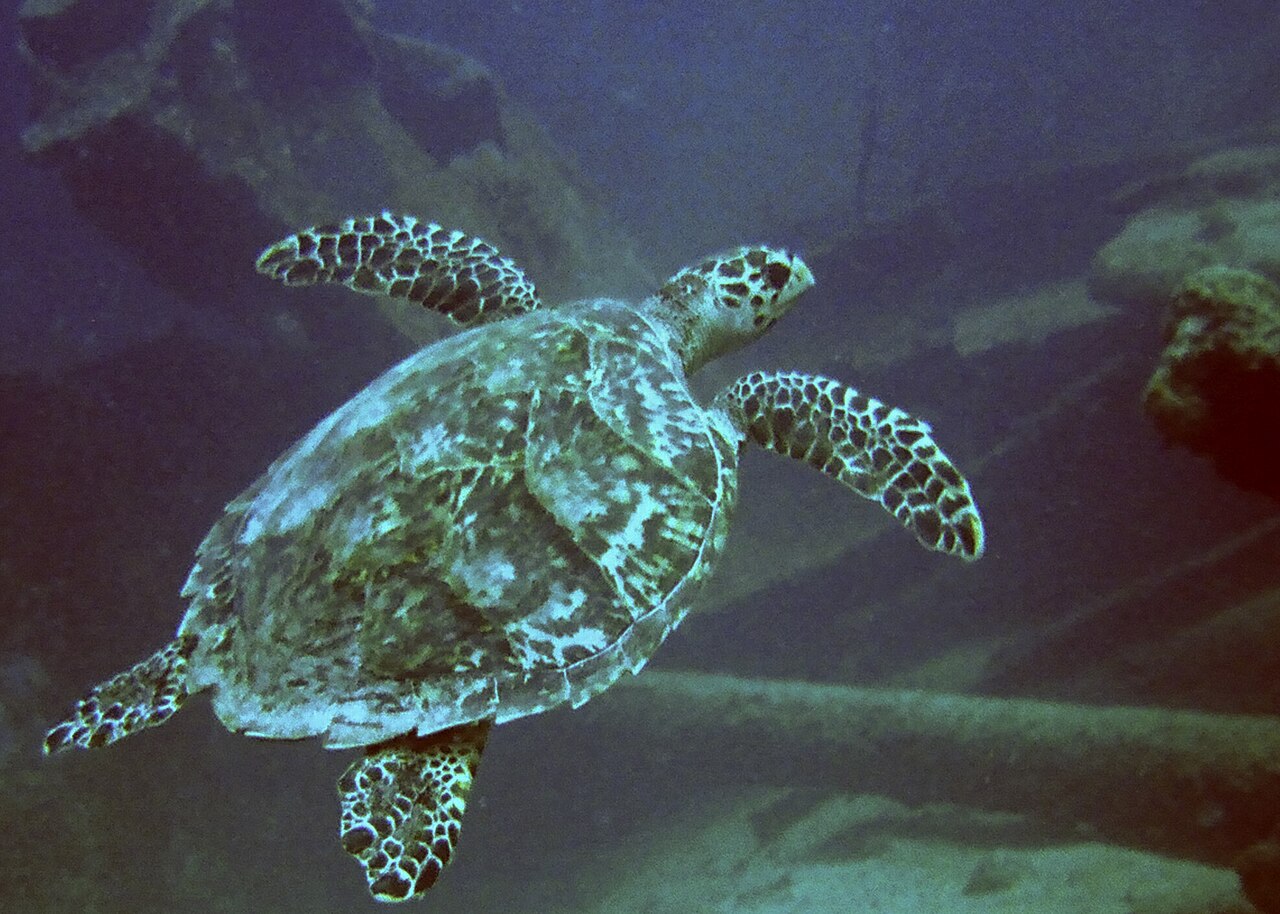
A coral-encrusted artificial reef of orange tube sponges and purple sea fans, with angelfish, butterflyfish and parrotfish drifting through
Large grouper, barracuda and schooling jacks/bar jacks patrolling around the wreck
Eagle rays regularly seen near Malmok in the early mornings of the December-April season
Often paired with the nearby Malmok and Boca Catalina reefs on a half-day boat trip
Good to know
SafetyThe wreck sits roughly 700m offshore and the current between the beach and the wreck is stronger than it looks. Do not try to swim out from shore — reach it by boat tour only.
SafetyThe surface here is frequently choppy and windy. Don't snorkel alone, carry a float/buoy, and if you're a beginner stay near the boat with fins on and be ready for mask fogging or panic.
SafetyThis is an active boat- and tour-traffic area. Always use a surface marker buoy and stay alert to approaching vessels.
SafetyThe hull bottoms out below 18m — beyond snorkeling reach. Do not free-dive into the wreck; snorkel the surface and upper structure only, and avoid brushing the fire coral on the hull, which gives a burning sting on contact.
RulesPenetrating the wreck's interior is for certified divers only. Snorkelers should view the upper structure without touching or removing coral, sponges or artefacts, and should use reef-safe sunscreen.
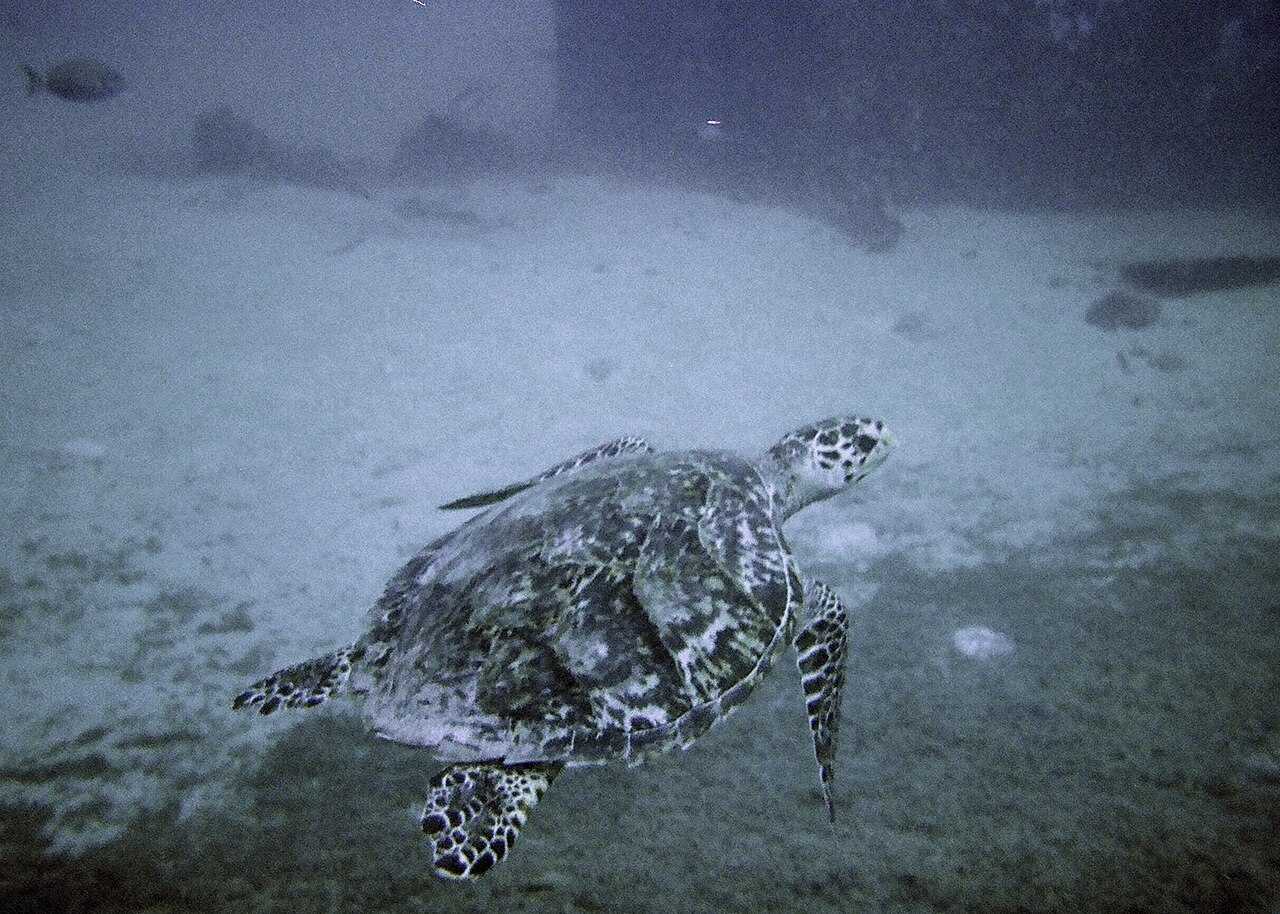
MannersNever stand on or kick the coral or the hull, and keep your distance from eagle rays, turtles and other wildlife — no feeding or chasing.
SeasonWater is a warm 27-29C year-round and Aruba lies south of the main hurricane belt, so risk is comparatively low. Trade winds pick up through the afternoon, though, so aim for the calm, clearest-water early mornings of the dry season (roughly December-April).
Practical info
From Aruba's international airport, head to the Palm Beach/Malmok area; the wreck is safely reached only on a half-day boat or catamaran snorkeling tour departing from Palm Beach or Malmok (gear rental included, often bundled with nearby reefs). Confirm current prices, departure times, operating status and sea/wind conditions before booking.
On-site reviews📍 Verified on-site
No reviews yet. If you are here, be the first to leave one.