Upper Antelope Canyon is a slot canyon carved from Navajo Sandstone on Navajo Nation land just outside Page, Arizona, known to the Navajo as Tsé Bighánílíní, "the place where water runs through rocks." Millions of years of flash-flood and wind erosion sculpted its flowing, wave-like walls, and the canyon is world famous for the dramatic sunbeams that pierce its narrow openings around midday from roughly late spring through early fall. As of 2026, entry remains strictly guided — independent access is illegal — and daily visitor numbers are capped in peak season, so most travelers book a Navajo-operator tour well in advance. Its short, level passage makes Upper Antelope noticeably easier to walk than Lower Antelope Canyon's stairs, though visits still hinge on weather and can be cancelled at short notice during monsoon season.
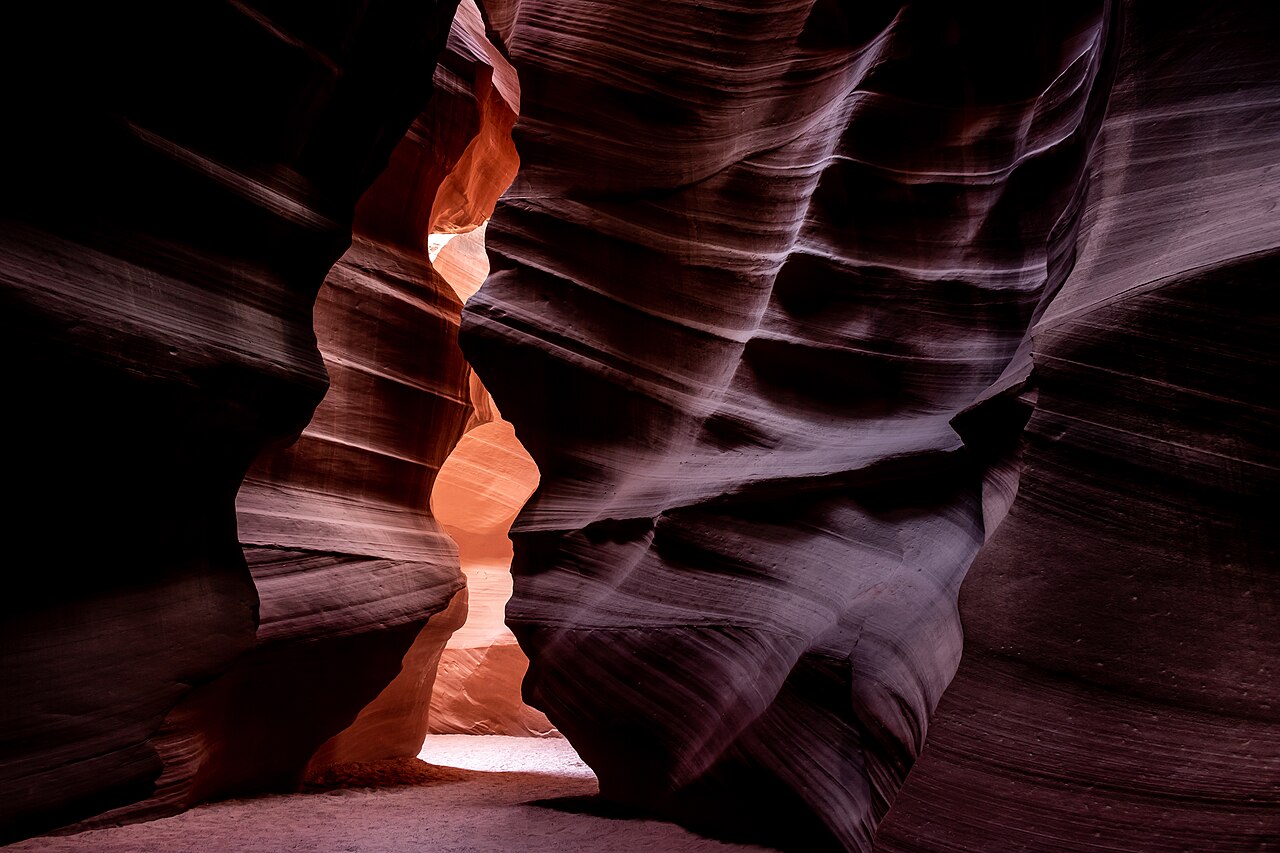
The famous light beams shafting down through the narrow crevice, best seen around midday roughly late spring through early fall
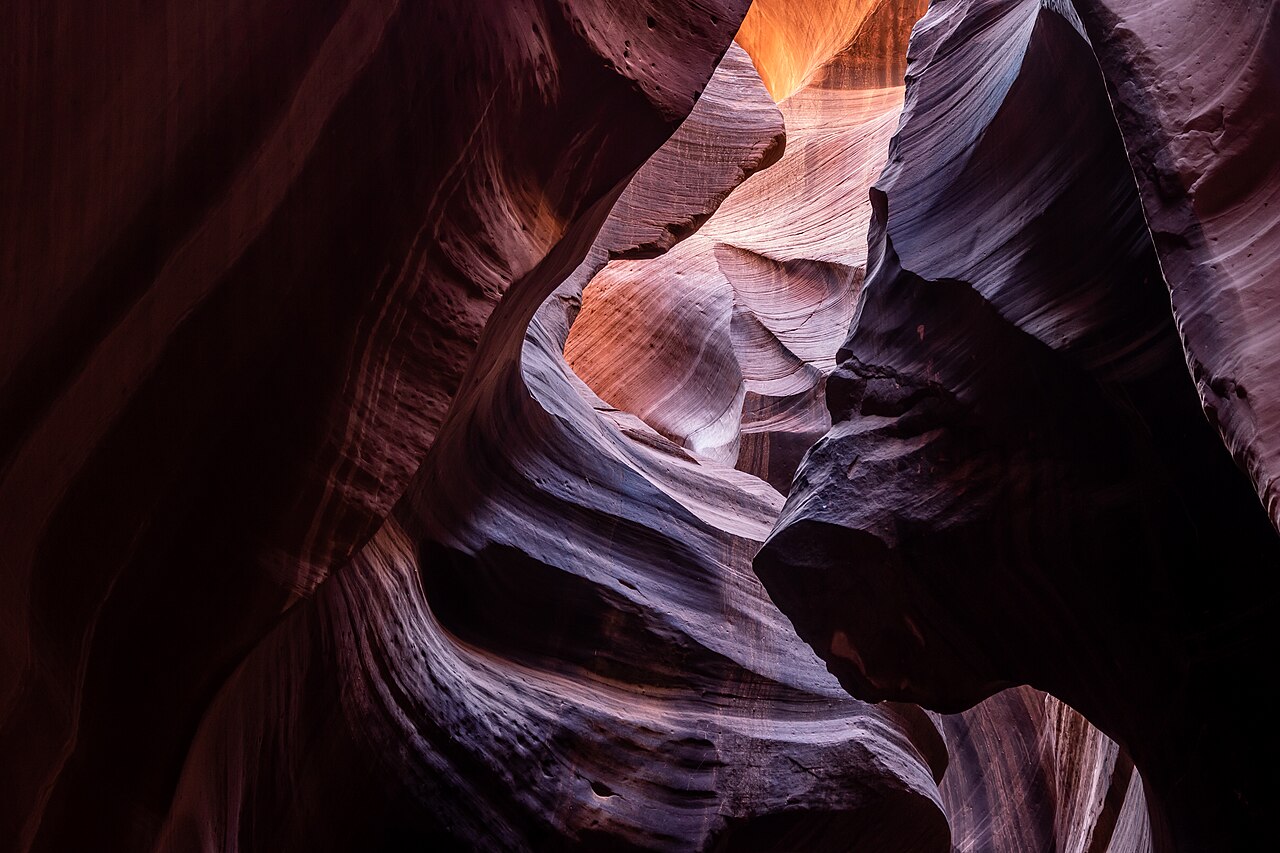
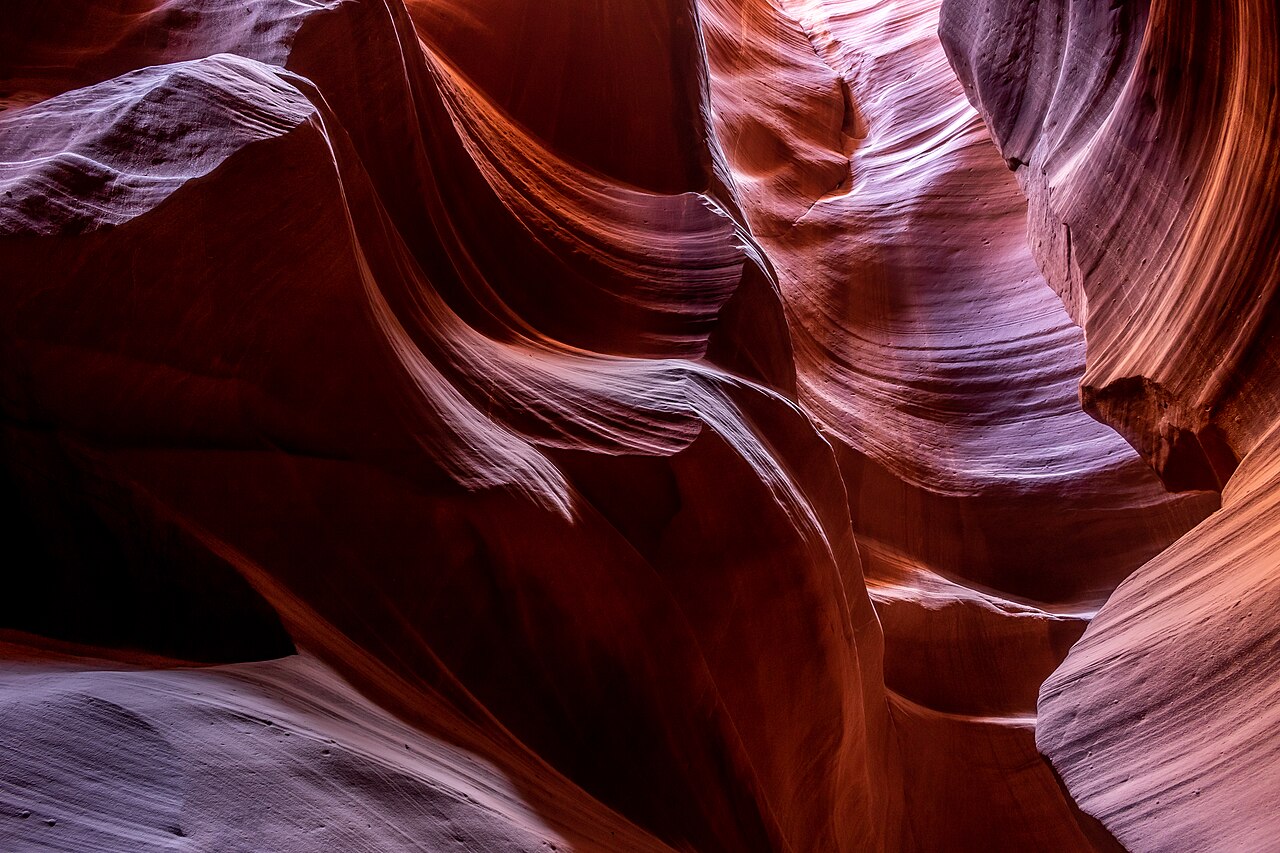
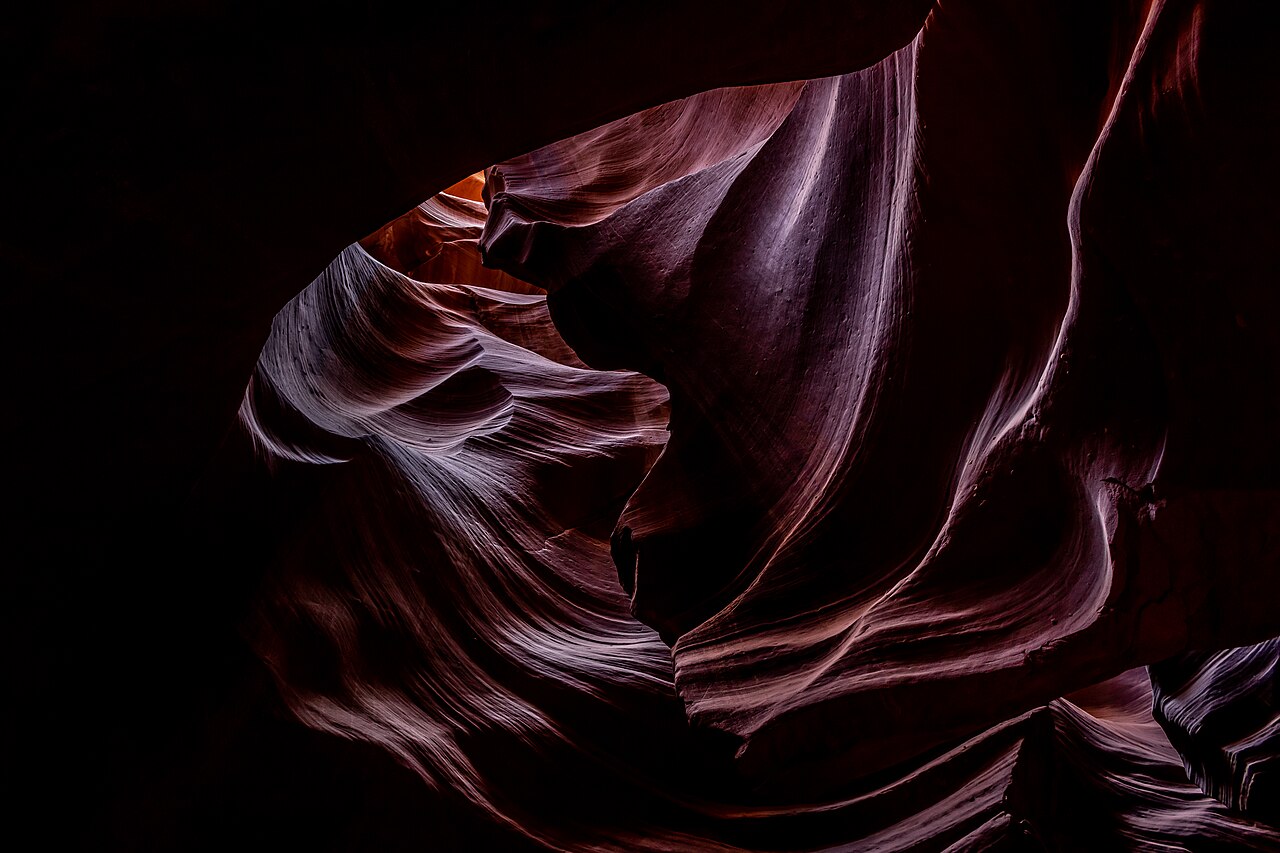
Wave-like, flowing sandstone walls in shifting shades of red, orange and purple, shaped by millions of years of flash-flood erosion
The Navajo name Tsé Bighánílíní ("the place where water runs through rocks") and its significance as a sacred site
A short, mostly level ~200 m (660 ft) passage that's easier underfoot than Lower Antelope Canyon's stairways
Cultural and geological commentary from your Navajo guide throughout the walk
Good to know
SafetyThere is little to no shade at the staging/parking area while you wait for your tour, and Page's desert summers (June–August) regularly top 100°F (38°C+) — bring water, a hat and sunscreen to avoid heat exhaustion.
SafetyThe canyon floor is soft, uneven sand and rock, and rattlesnakes are occasionally encountered in the surrounding area (more often April–October); watch your footing and don't put hands into crevices you can't see into.
SeasonThe July–mid-September monsoon season brings flash-flood risk even when it isn't raining at the canyon itself — storms far upstream can send a surge of water through in minutes. Following the fatal 1997 flood, operators now monitor weather radar closely and cancel or halt tours at the first sign of risk, so build flexibility into your schedule.
RulesIndependent entry is illegal; access is permitted only with a Navajo Nation–authorized guide/tour operator, and daily visitor numbers are capped, especially March–October, so book 2–3 weeks ahead if you can.
RulesTripods, monopods and selfie sticks have been banned on standard tours since 2019 (photography-tour exceptions exist), and large bags or backpacks generally aren't allowed inside — travel light.
MannersThis is Navajo tribal sacred land: don't touch or mark the walls, keep noise down, and follow your guide's instructions closely. Cash tips for guides are customary and appreciated, though usually not included in the tour price, so bring small bills.
CautionFake or invalid tickets sold through unofficial resale sites and unclear third-party booking platforms have been reported — book directly through an official Navajo-operator website rather than an unverified reseller.
Practical info
The nearest airports with regular service are Phoenix (PHX) and Las Vegas (LAS), each roughly a 4–5 hour drive to Page, or you can fly into the small Page Municipal Airport (PGA); private vehicles cannot drive to the canyon entrance itself, so tour operators shuttle guests in their own trucks from a meeting point in Page. Tour prices, the Navajo Nation entry fee, and operating hours vary by season and operator and can change without much notice, so always verify current pricing and times directly on the official tour operator's website before you go.
On-site reviews📍 Verified on-site
No reviews yet. If you are here, be the first to leave one.