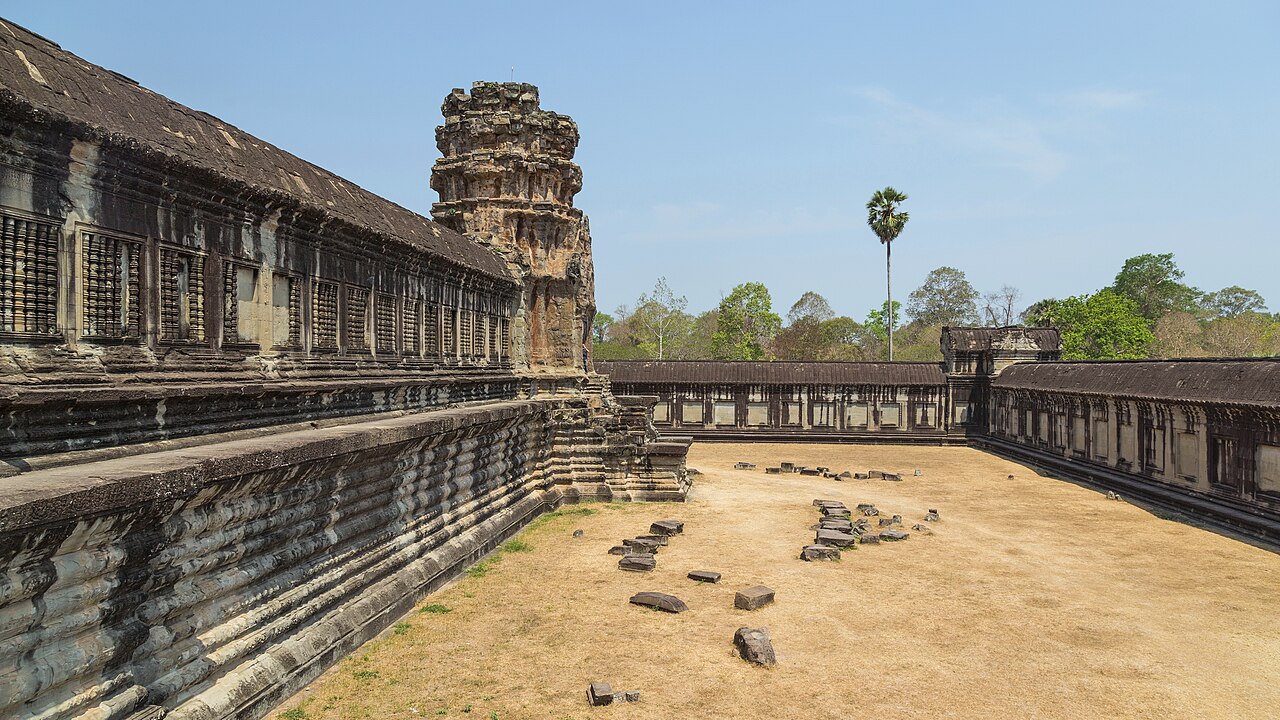
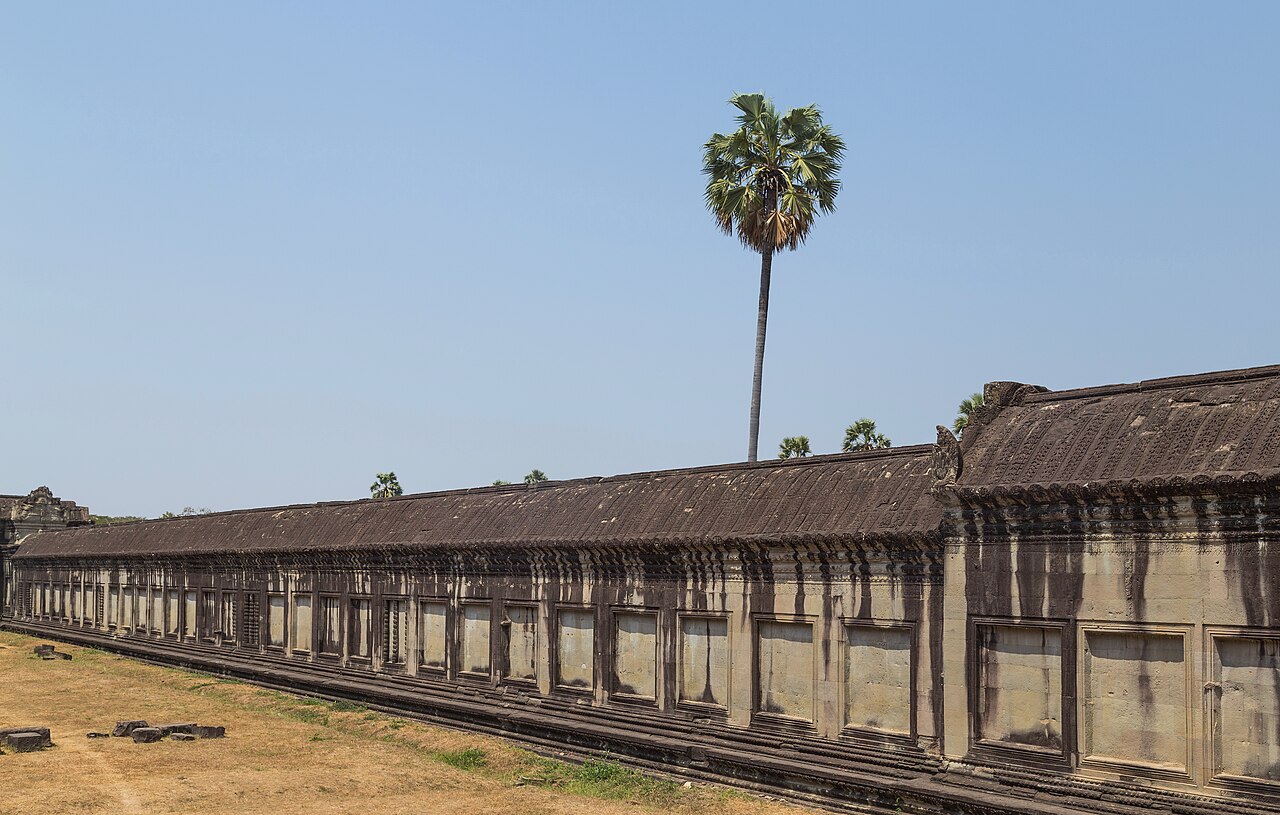
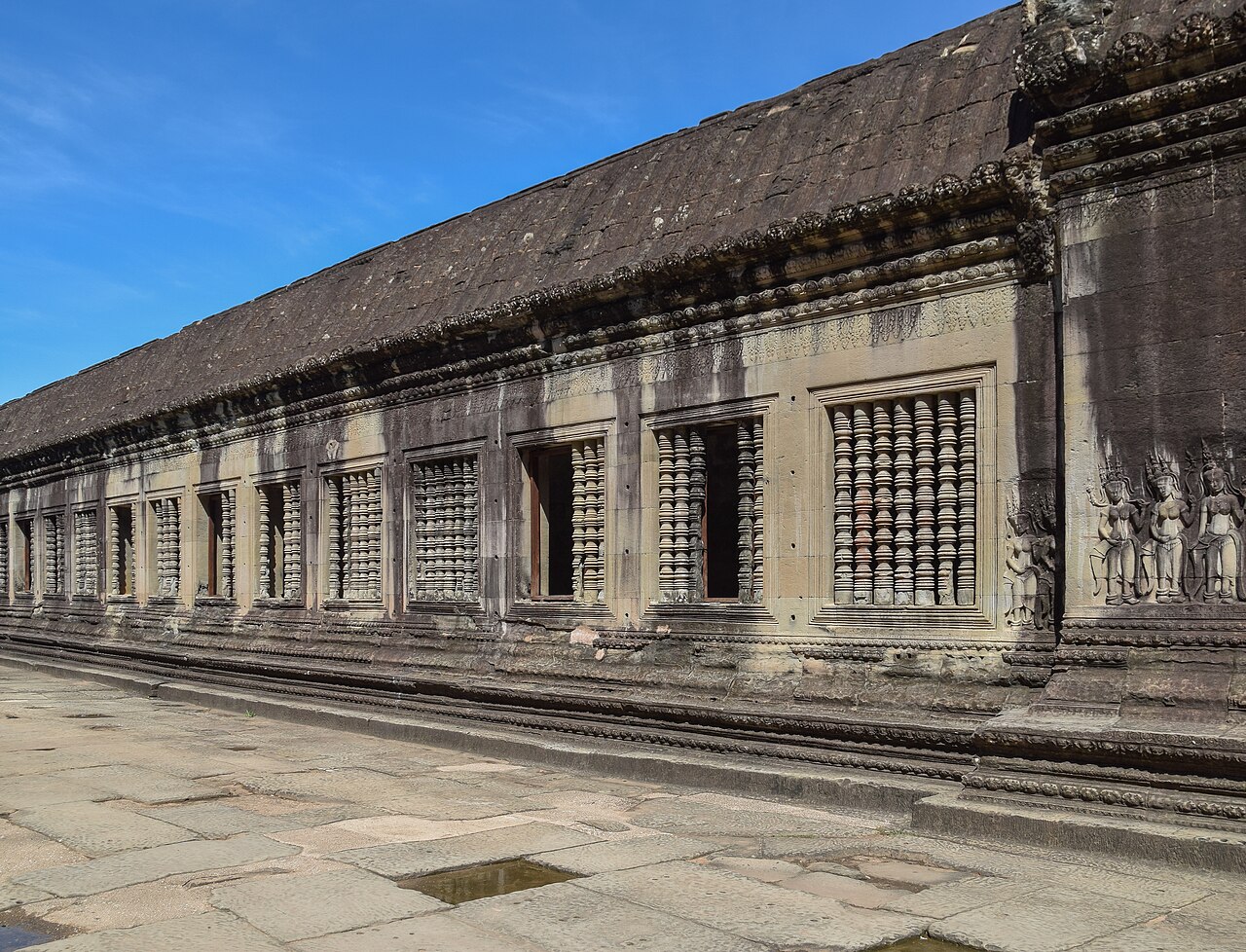
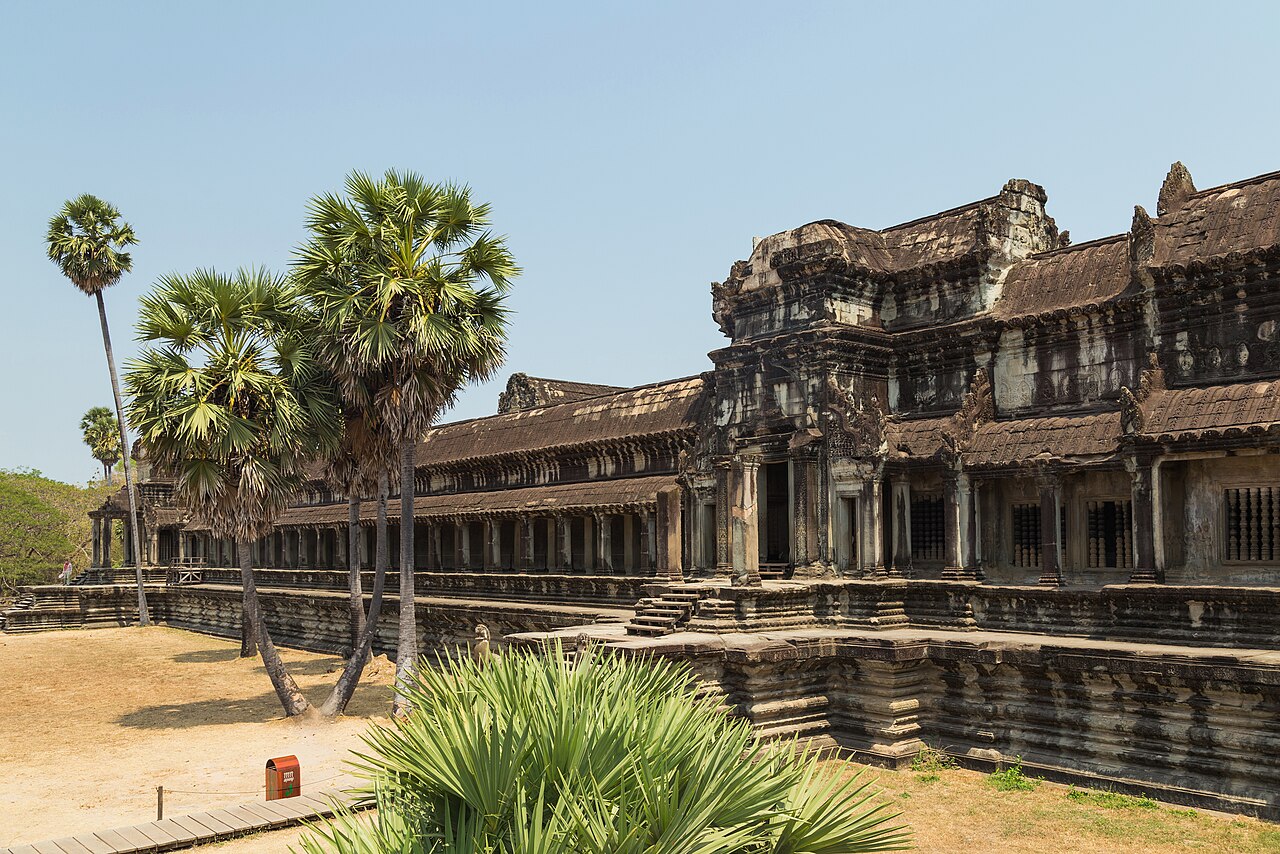
Angkor Wat is the world's largest religious monument, built in the 12th century by King Suryavarman II of the Khmer Empire and originally dedicated to the Hindu god Vishnu. Located near Siem Reap, Cambodia, its five central towers evoke the mythical Mount Meru, and its galleries are famed for over 1,800 apsara carvings and vast bas-reliefs depicting the Ramayana and Mahabharata. A UNESCO World Heritage Site since 1992, it remains such a national symbol that it appears on Cambodia's flag.
Sunrise over the northern reflecting pool — Angkor Wat opens at 5:00 AM, the only temple in the park open before 6:00 AM
The roughly 800-meter first-level gallery of intricate bas-reliefs, including the 'Churning of the Sea of Milk' and epic scenes
More than 1,800 carved apsara (celestial dancer) figures, each with distinct headdresses and expressions
The steep climb to the upper Bakan sanctuary for close views of the five towers and the surrounding site
The moat-and-jungle setting, where the whole complex is laid out as a three-dimensional model of the Hindu cosmos
Good to know
RulesEntry requires an Angkor Pass — roughly $37 (1 day), $62 (3 days), $72 (7 days); children under 12 free with a passport. Buy only from the official Angkor Enterprise ticket office or website; 'discount' tickets from drivers or street sellers are forgeries or stolen passes and are rejected at the gates. Confirm current prices and rules before you go.
MannersThe dress code is strictly enforced: shoulders and knees must be covered, and tank tops, short shorts and short skirts are barred from the temple interior. The upper Bakan level is checked individually by guards, who often reject a loose scarf or shawl over bare shoulders — wear a real sleeved top to be safe.
CautionBeware unlicensed 'guides' and people posing as monks who offer blessings then demand donations. Official guides wear beige shirts with badges, and genuine monks do not solicit money. Children hawking souvenirs at temple exits are common; declining child vendors and beggars helps discourage keeping kids out of school.
CautionTuk-tuk and taxi overcharging is frequent. A fair full-day temple tuk-tuk is about $15–20; always agree the price before getting in. If a driver claims your booked guesthouse is closed or full and offers another, it's a commission scam — go to your booking anyway.
SafetyAround midday (11 AM–2 PM) the shadeless sandstone courtyards become dangerously hot, raising the risk of dehydration and heat exhaustion. Carry water, a hat and sunscreen, and try to finish touring in the cooler morning. The upper Bakan stairs are very steep — mind your footing; under-12s and those with mobility issues cannot go up.
MannersSmoking, drones, touching carvings and eating inside the temple are prohibited. Keep quiet near praying monks and worshippers, and avoid disrespectful poses when photographing the apsaras or Buddha images.
Practical info
Best season is the dry months of November–February (25–30°C, low humidity); March–May is scorching, and the May–October wet season brings afternoon downpours but fewer crowds and lower prices. The temple is open daily 5:00 AM–6:00 PM year-round. For sunrise in peak season (Dec–Jan), arrive by about 4:45 AM. Confirm hours and fees before visiting.
On-site reviews📍 Verified on-site
No reviews yet. If you are here, be the first to leave one.