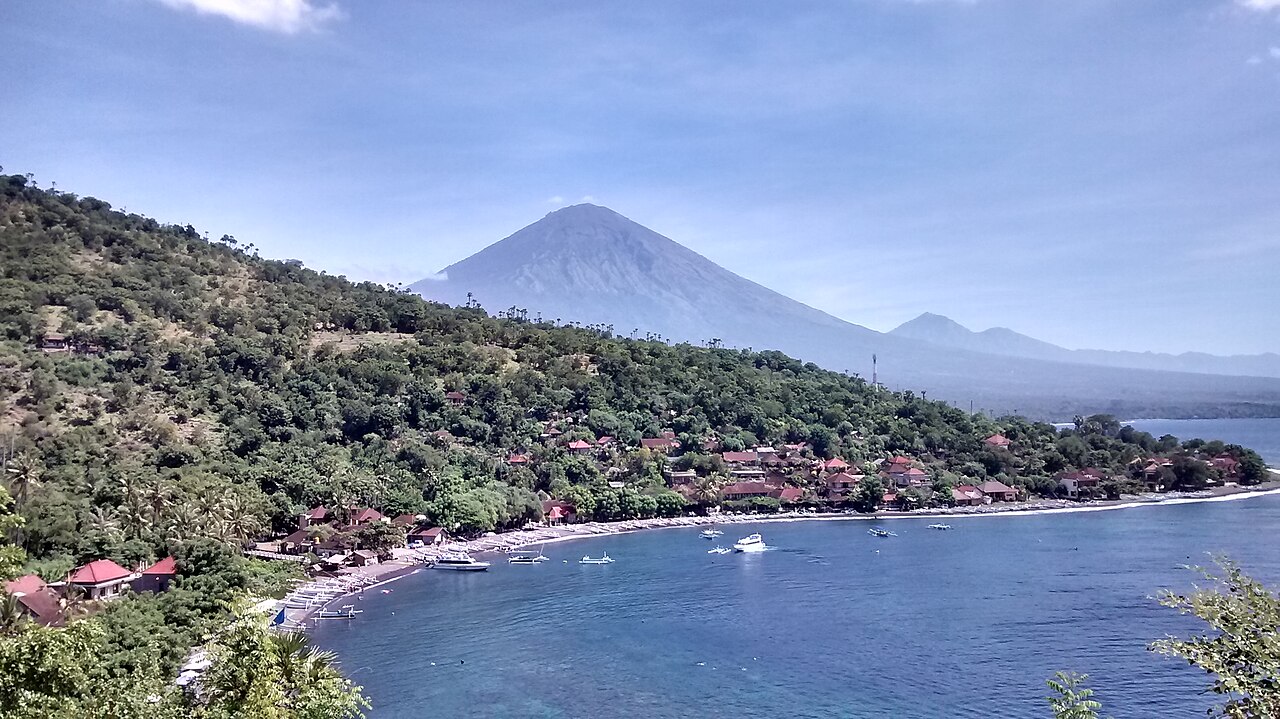
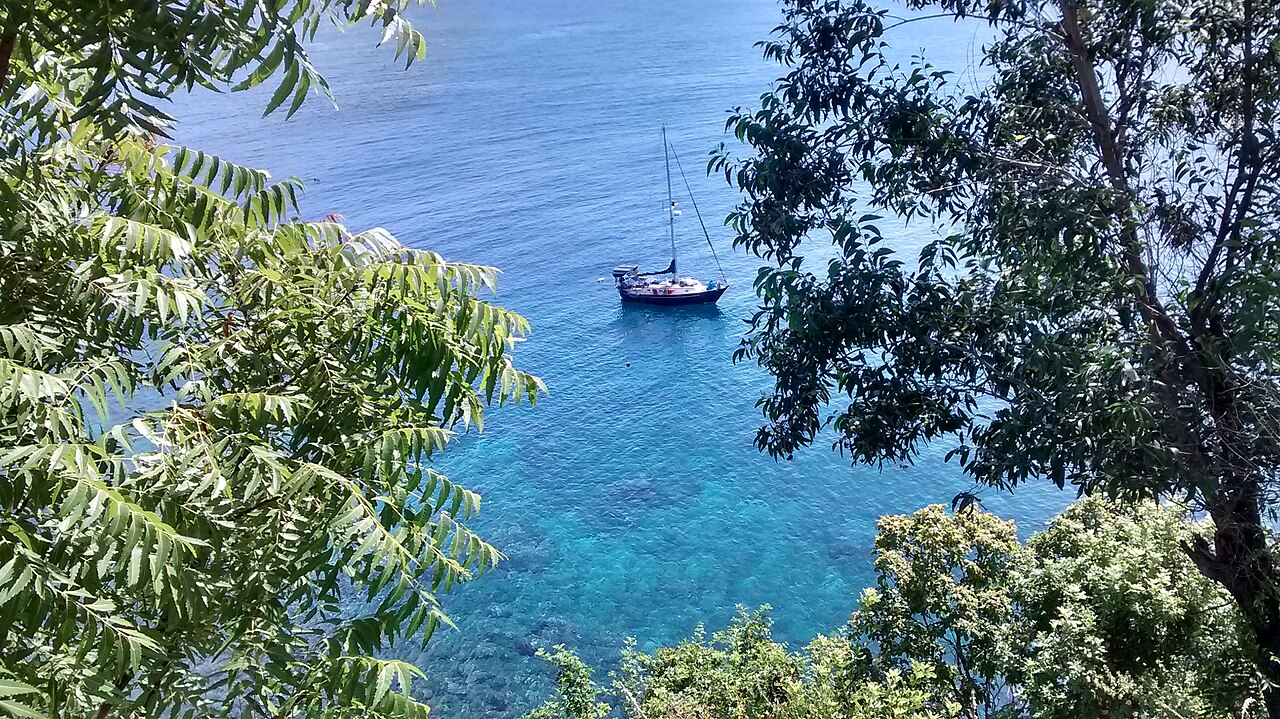
Jemeluk Bay, on the fishing coast of Amed in far east Bali, is one of the few places in the world where a short swim from the beach puts you over 55 metres of water. That geography lets schools rig a deep line every day without a boat, which is why AIDA and Molchanovs operations such as Fathom Freedive, Apneista and Apnea Bali cluster around the bay, and why international deep-training camps like Adam Stern's Deep Week keep coming back. Water sits at roughly 26-29°C year round, visibility runs about 15-30 m in good conditions, and the inside of the bay is usually sheltered from swell and current. As of July 2026 Mount Agung remains at alert Level 1 (normal) and the local schools are operating as usual, though Bali's entry levy and visa rules change often enough to be worth rechecking before you fly.
A 55 m deep zone reachable on a short surface swim from the beach, so multiple sessions a day cost you no boat time or fuel
The Jemeluk wall, a drop-off that starts close inshore and falls away to roughly 40 m
Coral gardens in the 5-30 m band that naturally separate beginner depth work from CWT and FIM training
Shallow underwater sculptures and coral-restoration structures inside the bay, an easy skin-diving and photo stop
Camp season around August, when Deep Week and similar retreats fill the bay with workshops and visiting athletes
The USAT Liberty wreck at Tulamben, about 20 minutes by car, an easy day to slot into a freediving trip
Good to know
SafetyShallow water blackout and LMC give no warning. DAN's data shows most recreational freediving deaths involve divers who were alone or had drifted from their buddy. Dive strictly one-up-one-down, keep the surface diver's only job being to watch, and keep watching for at least 30 seconds after your partner surfaces. You cannot rescue yourself from a blackout.
SafetyBecause 55 m is right off the beach, the temptation to rig your own line and go solo is real. Do not run a deep session without all three of a lanyard, a counterballast system, and a trained safety diver. Missing any one of them turns a routine dive into a fatality risk, and that applies to experienced divers as much as to newcomers.
SafetyOutside the bay mouth you are in the Lombok Strait, with strong current and downcurrent. A calm bay tells you nothing about conditions past the headland. Set lines only inside the zone your school designates, and never drift your buoy out of the bay.
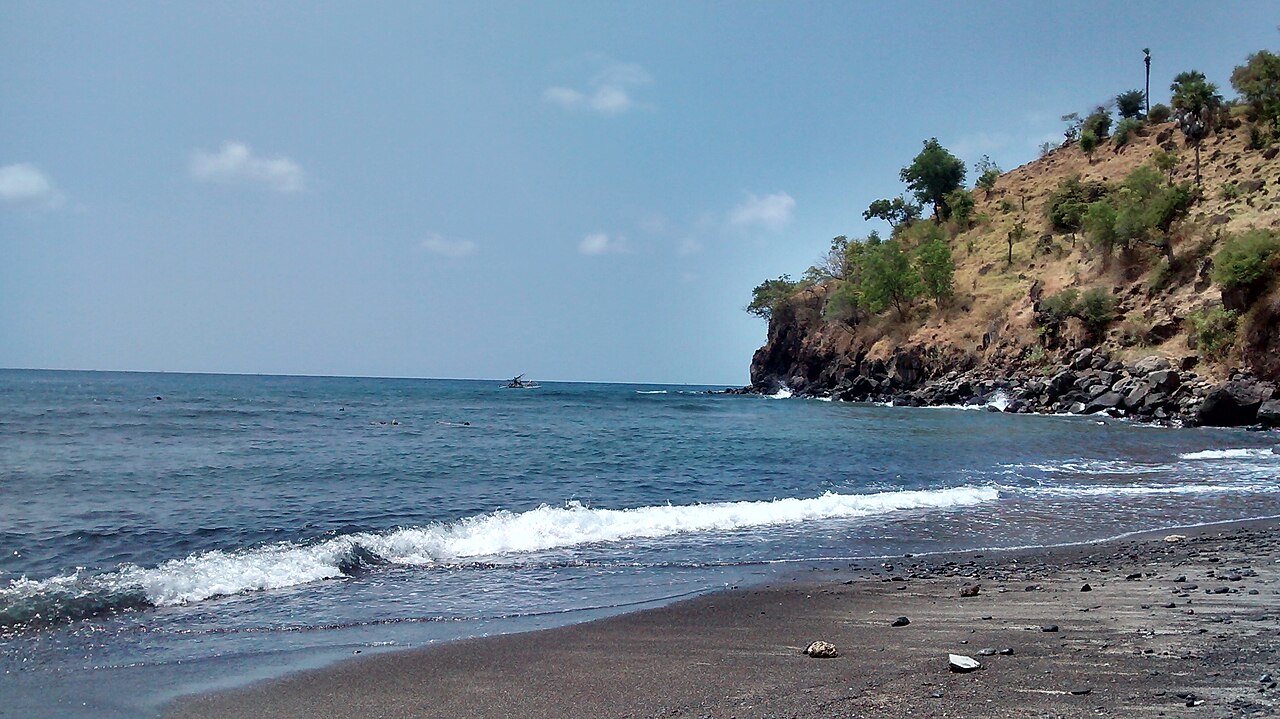
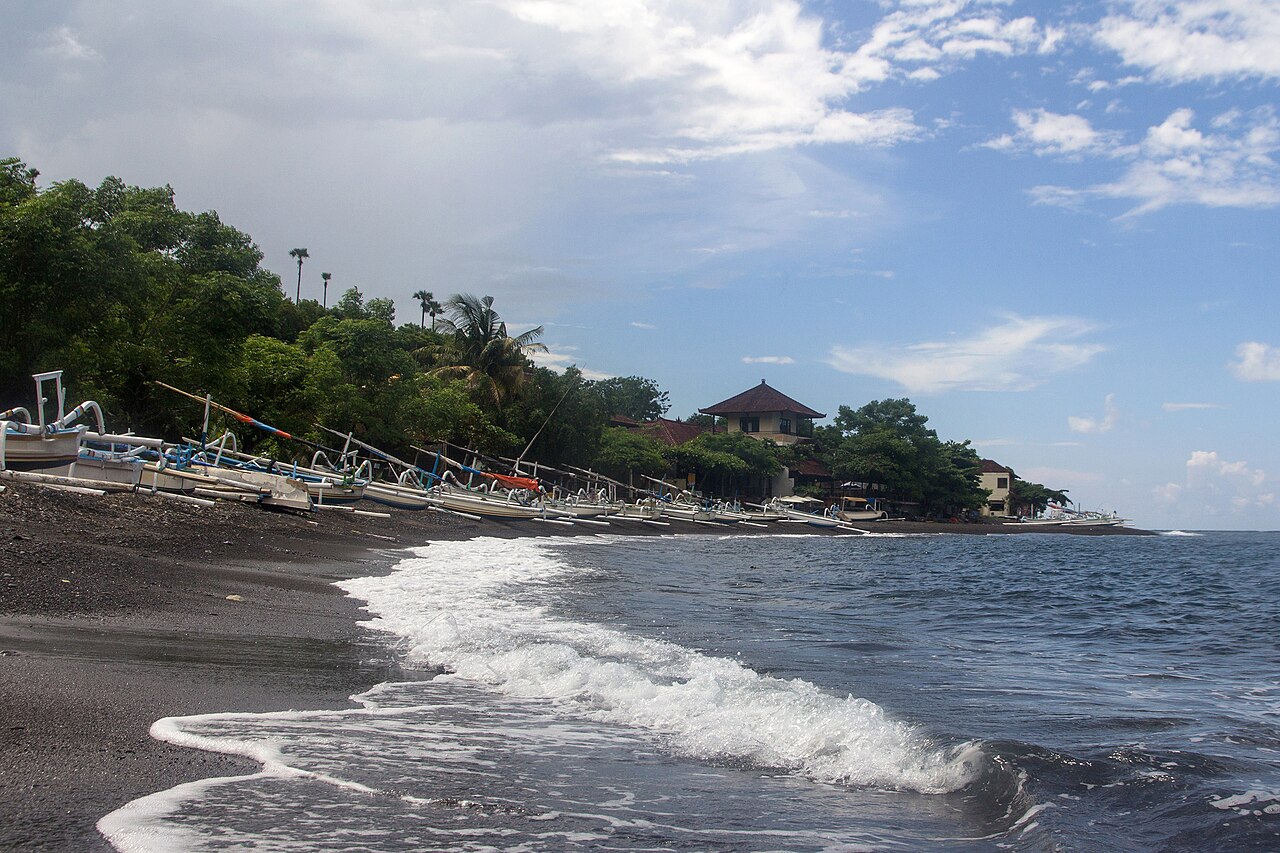
SafetyJemeluk is a working fishery: traditional jukung outriggers and dive boats cross the surface constantly. Always run a marked buoy with a diver flag, and look up along the line as you ascend. The beach is volcanic cobble, so entries and exits on a swell day are slippery and roll ankles easily; boots are worth wearing.
RulesMost schools require course enrolment or proof of certification plus a signed waiver, and they place conditions on private line use. Standard travel insurance frequently excludes freediving, or excludes it past a certain depth, so arrange dedicated cover such as DAN. Bali's recompression chambers are in Denpasar (RSUP Prof. Ngoerah, formerly Sanglah) and Gianyar, two to three hours from Amed by road, so build that evacuation time into your emergency plan. On entry, most nationalities use the visa on arrival or e-VOA for 30 days, extendable once via an in-person immigration visit, plus the IDR 150,000 Bali tourist levy paid through the official Love Bali portal. Amounts and procedures change, so verify on the official sites before you travel.
SeasonApril to October, the dry season, gives the best visibility and surface conditions. December to March brings runoff that cuts visibility and more days with swell. Around August, Deep Week and similar camps fill lines and accommodation, so book early. Mount Agung is at alert Level 1 as of July 2026, but past eruptions have closed Ngurah Rai airport, so check the alert status before departure.
MannersFin kicks and careless landings break coral fast in the shallow gardens. Stay off the bottom in shallow sections and keep buoys clear of fishermen's nets and mooring lines. Amed is still a village that lives off fishing, not a resort strip.
Practical info
Fly into Denpasar (Ngurah Rai International) and drive roughly 2.5-3 hours to Amed; most schools and accommodation around Jemeluk Bay are within walking distance of each other. Aim for the April-October dry season, and expect to book ahead, show certification or enrol in a course, and sign a waiver, with extra conditions on deep-line sessions. Course prices, line-use policies, opening hours, and visa and levy amounts all change, so confirm current details directly with the school and the official government sites before booking.
On-site reviews📍 Verified on-site
No reviews yet. If you are here, be the first to leave one.