The Abu Simbel Temples are two rock-cut temples that Ramses II carved directly into a sandstone cliff above the Nile in the 13th century BC, famous for the four colossal seated statues of the pharaoh — each about 20 m tall — guarding the facade of the Great Temple. When the Aswan High Dam threatened to submerge them beneath Lake Nasser in the 1960s, a UNESCO-led rescue cut the temples into blocks and reassembled them 65 m higher, a feat that became a symbol of the site's World Heritage status. In 2026 the complex remains open to visitors, and crowds peak around the twice-yearly Sun Festival (22 February and 22 October), when the dawn light reaches deep into the inner sanctuary to illuminate the gods. Set far south of Aswan in the desert near the Sudanese border, Abu Simbel is best approached as a planned half-day-plus excursion rather than a quick stop.
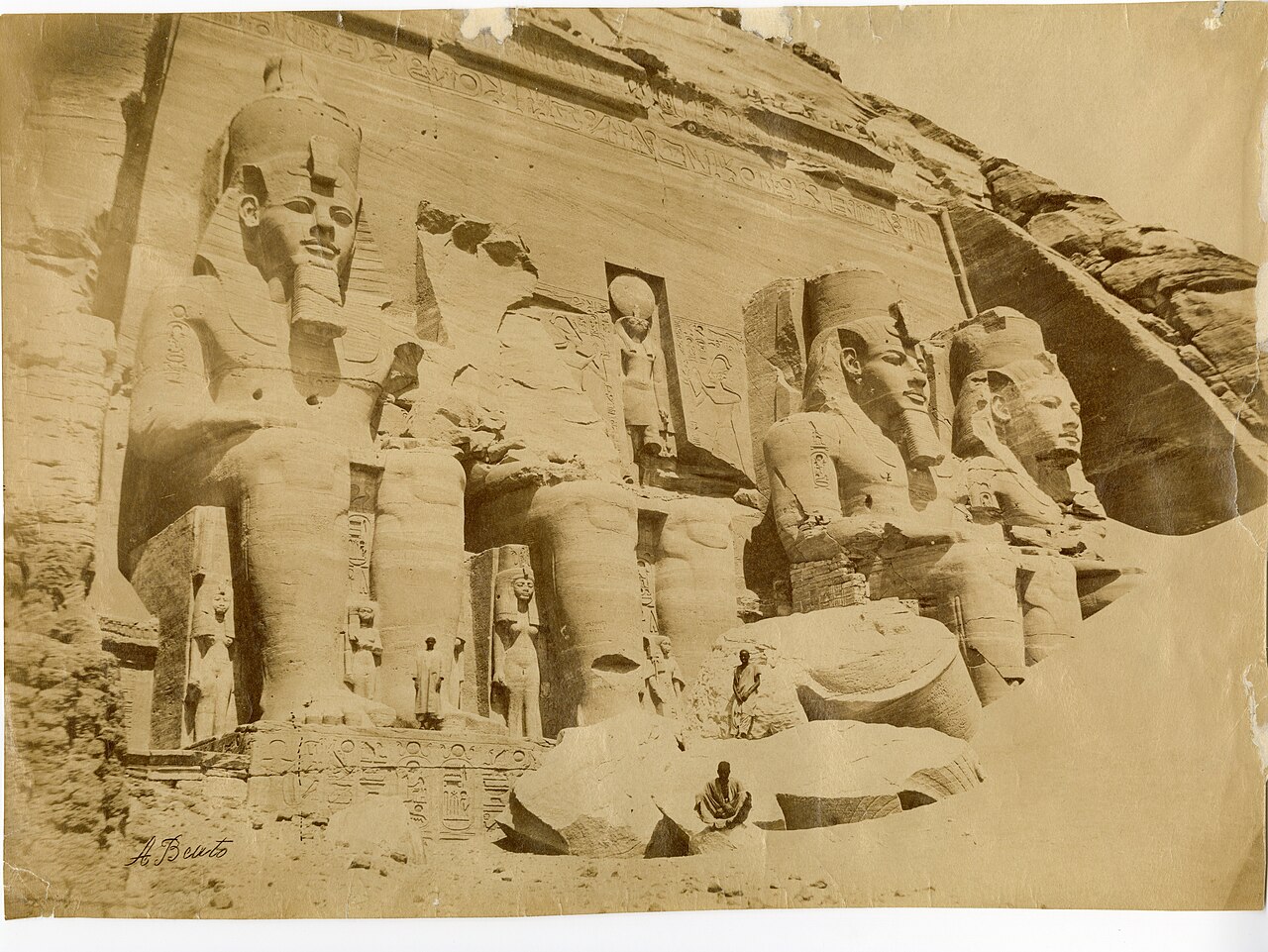
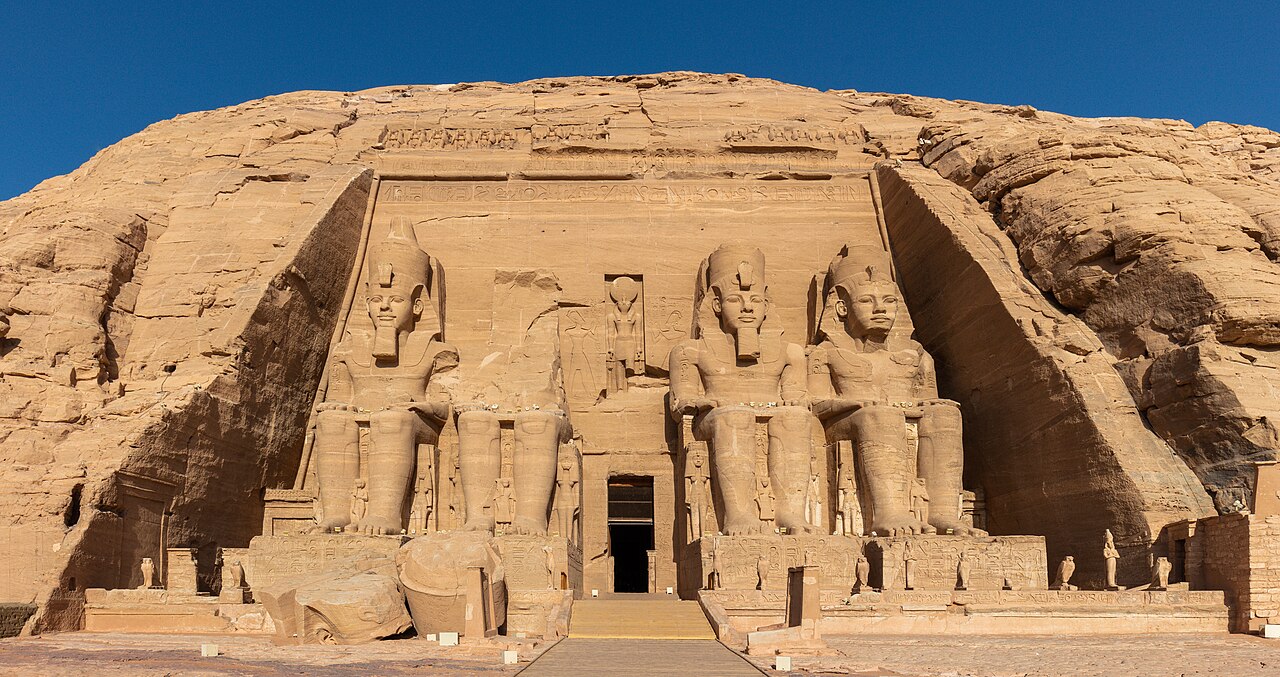
The four roughly 20 m colossi of Ramses II across the Great Temple facade — note the smaller queen and prince figures at their feet for scale
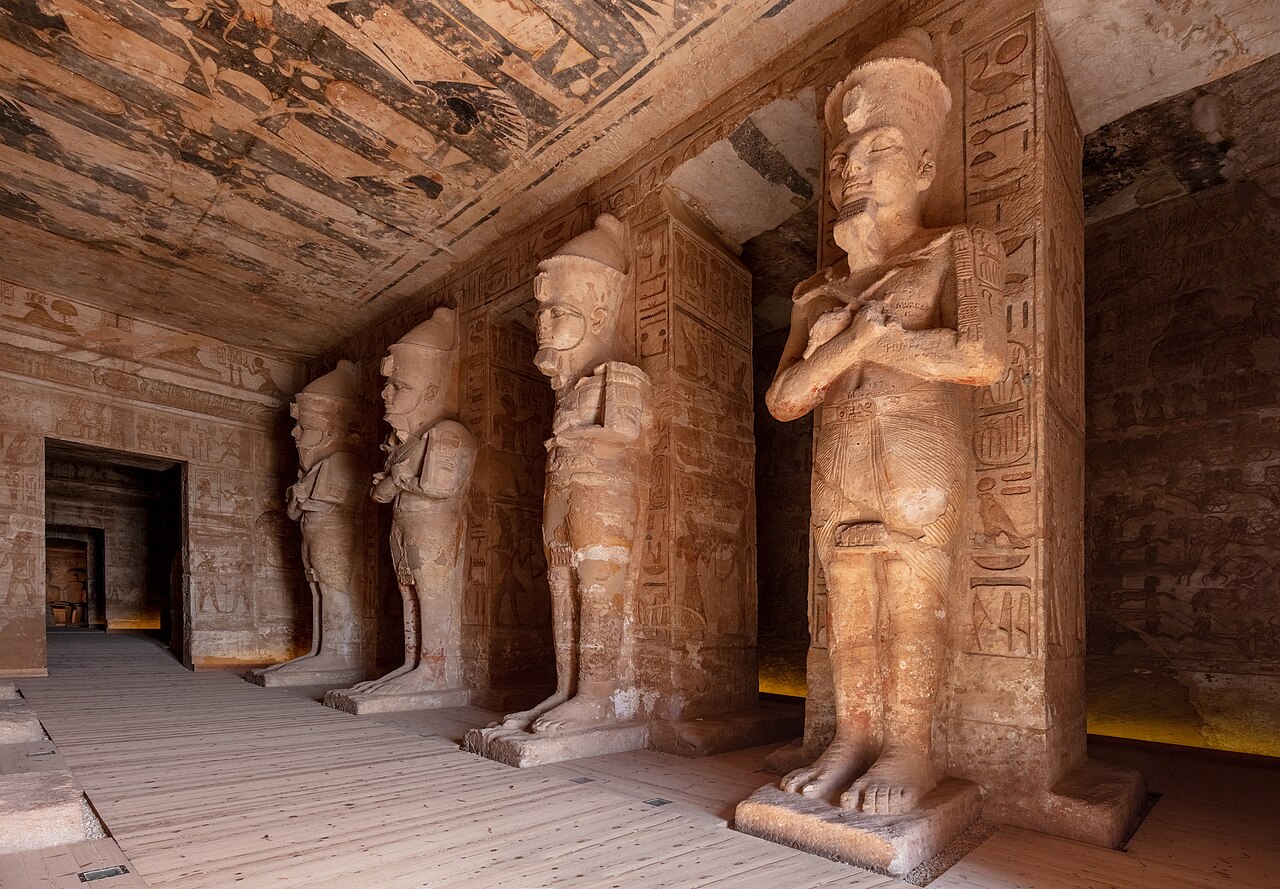
The inner sanctuary of the Great Temple, with its four seated gods (Ramses II, Amun, Ra-Horakhty and Ptah) and the solar alignment that lights them twice a year
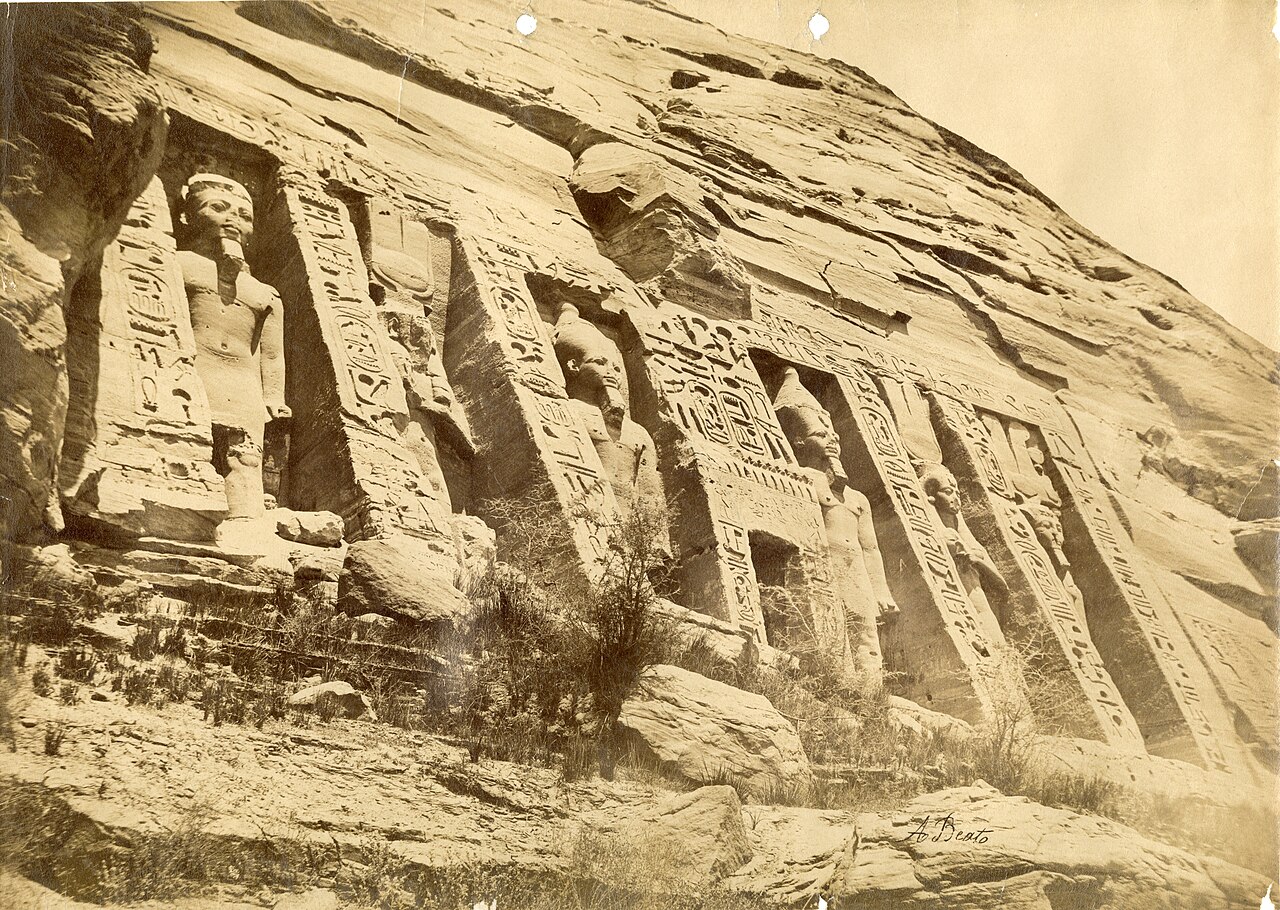
The Small Temple dedicated to Queen Nefertari, unusually carved at the same scale as the pharaoh himself
The wall reliefs depicting Ramses II's military triumphs, including the Battle of Kadesh
The engineered dome-hill that UNESCO built to hold the relocated temples, overlooking Lake Nasser
Good to know
SeasonThis is a desert site where daytime heat is intense (summer highs often top 40 C). Bring water, a hat, sunscreen and sunglasses, and aim for an early-morning visit to beat the heat.
SafetyAbu Simbel sits in a remote area near the Sudanese border; reaching it means about a 45-minute flight or a 3.5-4 hour drive each way (roughly 280 km) from Aswan. Departures are often at dawn, so allow buffer time and carry your passport, water and basic medicine.
RulesOn-site ticket booths frequently accept cards only, so cash may not work — bring a Visa or Mastercard. Photography inside the sanctuary may restrict tripods and flash, or require a separate photo permit.
MannersAs a sacred monument, modest clothing that covers shoulders and knees is appropriate, and the inner sanctuary should be kept quiet. Do not touch the reliefs or statues, and stay behind the barriers.
CautionTouts may approach offering to 'guide you for free' and then demand a tip (baksheesh), or take your photo and ask for payment. Site guardians who wave you toward a photo spot usually expect a tip too — decline politely if you don't want it.
CautionTaxis, guides and souvenirs are often quoted above the going rate, so always negotiate and agree the price up front. If you book an Aswan day tour, confirm in advance whether the entrance fee is included.
SafetyCarry plenty of small-denomination notes for restrooms, bag storage and minor tips. Opening hours shift with the season, so reconfirm the latest details before you go.
Practical info
Aswan is the gateway: reach Abu Simbel by a roughly 45-minute EgyptAir domestic flight or a 3.5-4 hour road trip (about 280 km each way), with the temples about a 10-minute drive from Abu Simbel airport. Opening hours are seasonal — broadly around 05:00-18:00 in summer and 06:00-17:00 in winter — and a visit takes about 2-2.5 hours; the foreign adult ticket is generally around 750 EGP but costs more on Sun Festival days, so confirm the latest prices, hours and payment method (whether card-only) before you travel.
On-site reviews📍 Verified on-site
No reviews yet. If you are here, be the first to leave one.